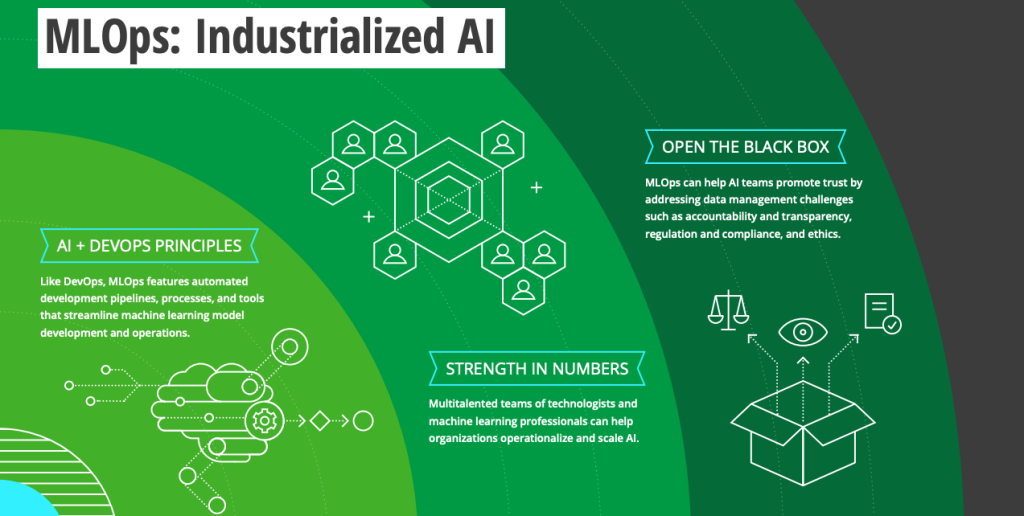
Are you looking for ways to streamline your business operations? Have you heard of MLOps? MLOps is short for “Machine Learning Operations,” and it refers to the process of integrating machine learning models into business operations. In this blog post, we will discuss how MLOps can help your business operations and provide you with a step-by-step guide on how to use MLOps for your business.
What is MLOps?
Before we dive into how MLOps can help your business operations, let’s first define what MLOps is. MLOps is the process of managing and deploying machine learning models in a production environment. It involves the collaboration between data scientists, machine learning engineers, and IT professionals to ensure that machine learning models are deployed and maintained efficiently.
MLOps is important because machine learning models can be complex and require a lot of resources to run. By using MLOps, businesses can ensure that their machine learning models are running optimally and are providing accurate results.
How can MLOps help your business operations?
Now that we know what MLOps is, let’s discuss how MLOps can help your business operations. MLOps can help your business in the following ways:
1. Improved efficiency
By using MLOps, businesses can automate many of their processes, which can lead to improved efficiency. For example, machine learning models can be used to automate customer service tasks, such as answering frequently asked questions or routing customer inquiries to the appropriate department.
2. Better decision making
Machine learning models can provide businesses with valuable insights that can help them make better decisions. For example, machine learning models can be used to analyze customer data and provide insights into customer behavior, which can help businesses make better marketing and sales decisions.
3. Increased revenue
By using MLOps to automate processes and make better decisions, businesses can increase their revenue. For example, machine learning models can be used to predict customer behavior, which can help businesses create targeted marketing campaigns that are more likely to convert.
How to use MLOps for your business
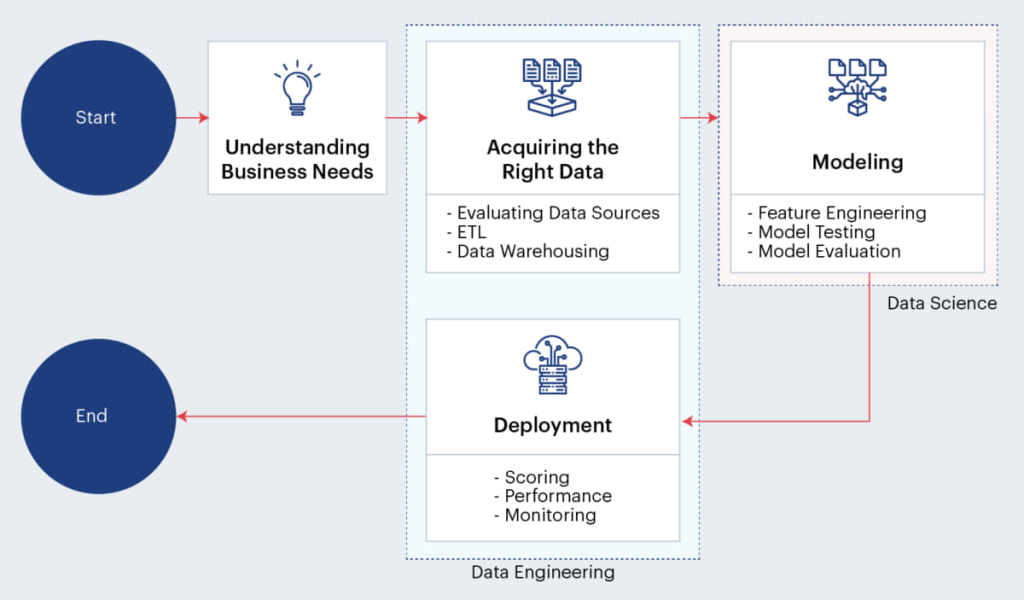
Now that we know how MLOps can help your business, let’s discuss how to use MLOps for your business. Here is a step-by-step guide:
1. Identify the problem you want to solve
The first step in using MLOps for your business is to identify the problem you want to solve. This could be anything from automating customer service tasks to predicting customer behavior.
2. Collect and prepare data
Once you have identified the problem you want to solve, the next step is to collect and prepare data. This involves collecting relevant data and cleaning and organizing it so that it can be used to train machine learning models.
3. Train machine learning models
The next step is to train machine learning models using the data you collected and prepared in step two. This involves using algorithms to learn patterns in the data and make predictions based on those patterns.
4. Deploy machine learning models
Once you have trained your machine learning models, the next step is to deploy them in a production environment. This involves integrating the models into your existing infrastructure and ensuring that they are running optimally.
5. Monitor and maintain machine learning models
Finally, it is important to monitor and maintain your machine learning models to ensure that they are providing accurate results. This involves regularly checking the models for errors and updating them as necessary.
Conclusion
In conclusion, MLOps can help businesses streamline their operations and make better decisions. By following the steps outlined in this blog post, businesses can use MLOps to automate processes, increase revenue, and improve efficiency. So, what are you waiting for? Start using MLOps for your business today!
