The DevOps Foundation Certification by DevOpsSchool, with expert trainer Rajesh Kumar from www.RajeshKumar.xyz, provides essential knowledge for students looking to build a strong foundation in DevOps. This certification covers the principles, practices, and tools that streamline software development and operations for faster and more reliable delivery. Below is a comprehensive certification manual to guide students in their journey.
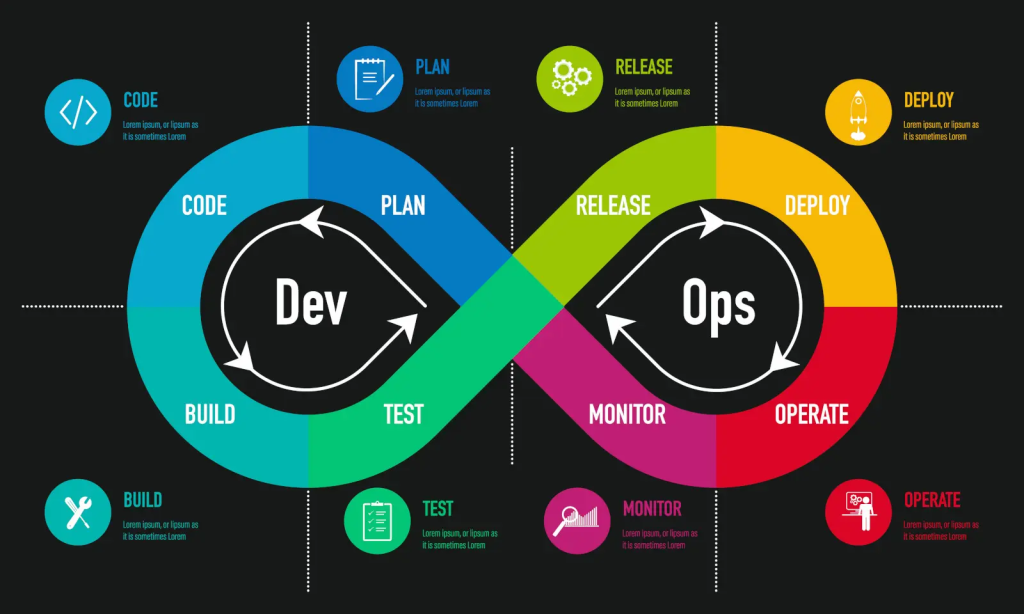
1. Introduction to DevOps Foundation Certification
- Overview: Introduce DevOps as a collaborative approach that combines development and operations, improving efficiency, reliability, and speed of software deployment.
- Objective: This certification aims to provide foundational knowledge of DevOps principles, including collaboration, automation, and continuous delivery.
- Certification Provider: DevOpsSchool, in collaboration with Rajesh Kumar, delivers this course to help students master the DevOps fundamentals.
2. Why DevOps Foundation Certification?
- Growing Demand: Explain how DevOps skills are increasingly sought after, with industries worldwide adopting DevOps for better project outcomes.
- Career Advantages: Emphasize how DevOps certification can lead to career growth, providing opportunities in roles such as DevOps Engineer, Automation Engineer, and Release Manager.
- Skills Development: Highlight the skill sets gained, including automation, infrastructure management, and collaboration.
3. Key Learning Objectives
- Understanding DevOps Culture: Focus on DevOps principles, values, and how collaboration between teams improves software delivery.
- Core DevOps Practices: Overview of practices like Continuous Integration (CI), Continuous Delivery (CD), Infrastructure as Code (IaC), and monitoring.
- Automation Tools and Frameworks: Exposure to popular DevOps tools, including Git, Docker, Jenkins, Kubernetes, and Ansible.
- Metrics and Monitoring: Basics of setting up metrics and monitoring frameworks for continuous feedback.
- Workflow Automation: Practical techniques for automating repetitive processes, reducing errors, and enhancing speed.
- DevOps in the Cloud: Introduction to DevOps cloud environments such as AWS, Azure, and Google Cloud.
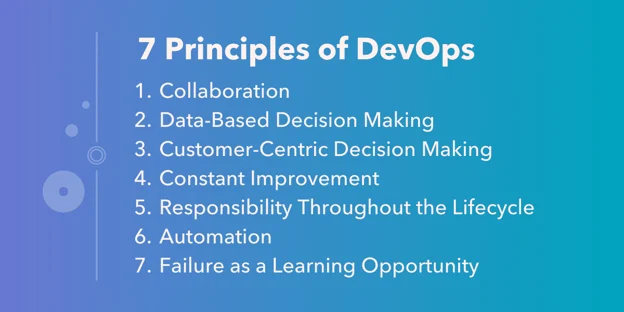
4. Certification Agenda
This DevOps Foundation Certification course includes modules to ensure a well-rounded understanding of DevOps:
- Module 1: Introduction to DevOps
- Understanding DevOps culture and its benefits
- Differences between traditional software development and DevOps
- Building a culture of collaboration
- Module 2: Principles and Practices of DevOps
- Key practices: CI/CD, testing, deployment, and feedback loops
- Aligning team goals with business objectives
- Real-world DevOps practices
- Module 3: Infrastructure as Code (IaC)
- Benefits of IaC and its role in DevOps
- Tools overview: Terraform, Ansible, and CloudFormation
- Hands-on lab: Creating IaC templates
- Module 4: Automation in DevOps
- Introduction to scripting and automation techniques
- Setting up CI/CD pipelines with Jenkins
- Containerization with Docker and Kubernetes
- Module 5: Configuration Management
- Overview of configuration management tools
- Ensuring consistency across development, staging, and production
- Practical lab with Ansible and Chef
- Module 6: Continuous Integration and Continuous Deployment (CI/CD)
- Best practices in CI/CD implementation
- Setting up pipelines in Jenkins and GitLab
- Automating testing and deployment workflows
- Module 7: Monitoring and Logging
- Basics of monitoring and observability
- Introduction to tools like Prometheus, Grafana, and ELK Stack
- Setting up alerts and real-time monitoring dashboards
5. Course Prerequisites
- Basic Understanding of IT Operations: Knowledge of IT and system administration concepts is beneficial.
- Familiarity with Software Development: A general understanding of software development lifecycles and processes.
- Willingness to Learn Automation: While not mandatory, familiarity with scripting (e.g., Python, Shell) is an advantage.
6. Exam Structure and Preparation Guide
- Exam Format: Multiple-choice and scenario-based questions.
- Duration: 60 minutes with 40 questions.
- Passing Score: 70%.
- Preparation Tips:
- Complete hands-on labs and exercises in automation and CI/CD.
- Review DevOps case studies to understand implementation in real-world environments.
- Use practice exams and sample questions to reinforce knowledge.
7. Resources for Study and Practice
- DevOpsSchool Course Materials: Access to official course slides, notes, and lab exercises for hands-on learning.
- Recommended Books: The DevOps Handbook, Accelerate: The Science of Lean Software and DevOps, and Continuous Delivery.
- Online Communities: Join communities like DevOpsSchool, Reddit, and LinkedIn groups for knowledge sharing and networking.
- Practice Labs: Engage in practical labs with tools like Git, Jenkins, Docker, and Kubernetes to reinforce learning.
8. Certification Benefits and Career Opportunities
- Professional Credibility: Earning a DevOps Foundation Certification showcases your commitment to mastering DevOps, a vital skill in today’s IT industry.
- Increased Salary Potential: DevOps professionals are among the highest paid, as their skills drive efficiency and reliability in IT environments.
- Career Growth: Opens doors to roles like DevOps Engineer, Cloud Engineer, Site Reliability Engineer, and Automation Specialist.
9. Conclusion and Next Steps
- Completing the Certification: With this structured curriculum from DevOpsSchool and Rajesh Kumar’s guidance, you’ll be well-equipped to tackle DevOps challenges.
- Advanced Certifications: Encourage further learning with advanced certifications in specific tools (e.g., Kubernetes, Jenkins) or more advanced DevOps practices.
- Joining the DevOps Community: Engage with the broader DevOps community to stay updated on best practices, tool updates, and industry trends.
