In today’s digital age, online security is paramount, especially when it comes to protecting sensitive information shared over the internet. SSL (Secure Sockets Layer) is a crucial technology that plays a vital role in ensuring the security and integrity of data transmitted between web servers and clients. In this beginner’s guide, we’ll explore what SSL is, how it works, and why it’s essential for website owners and users alike.

What is SSL?
SSL, which stands for Secure Sockets Layer, is a cryptographic protocol designed to establish a secure and encrypted connection between a web server and a client’s browser. It ensures that data transmitted between the two parties remains private and cannot be intercepted or tampered with by malicious actors.
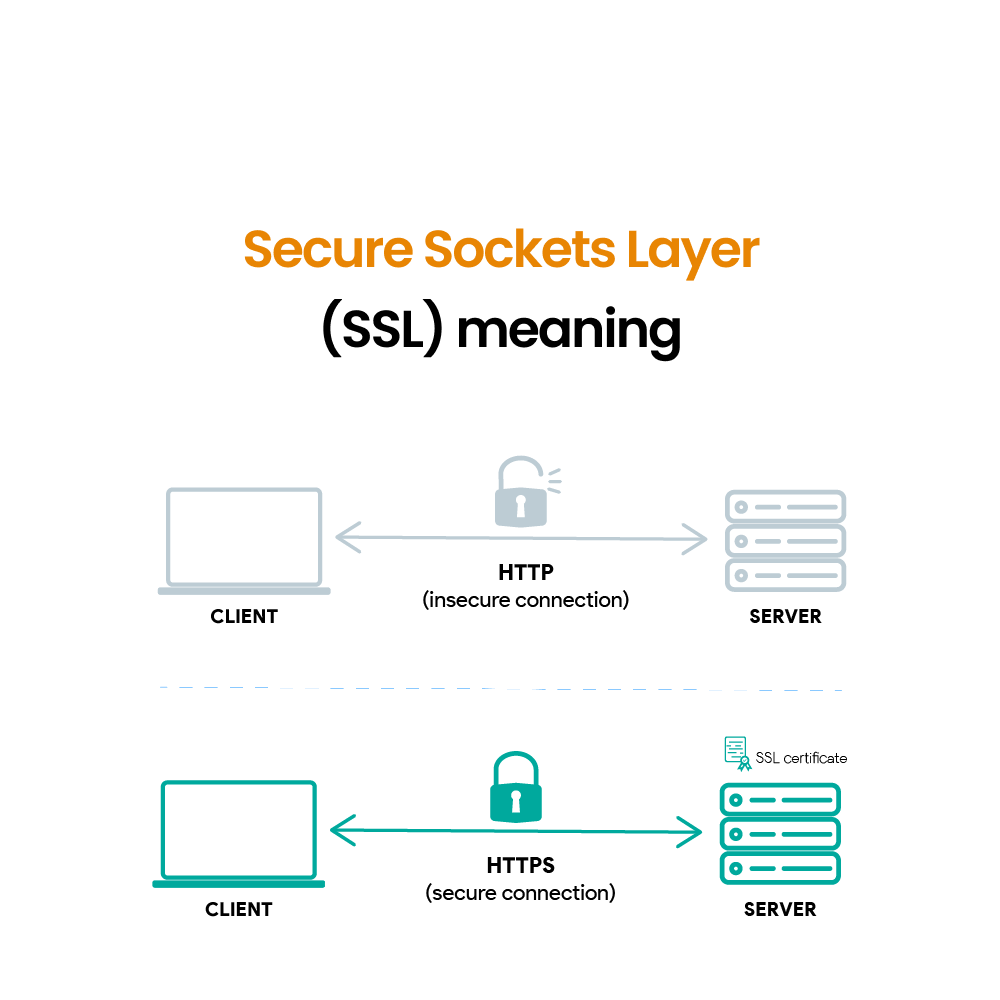
How Does SSL Work?
When a user visits a website secured with SSL, their browser initiates a secure connection with the server using a process called the SSL handshake. During this handshake, the server presents its SSL certificate to the browser, which contains the server’s public key and other identifying information. The browser then verifies the authenticity of the certificate and uses the server’s public key to encrypt data before sending it over the internet.
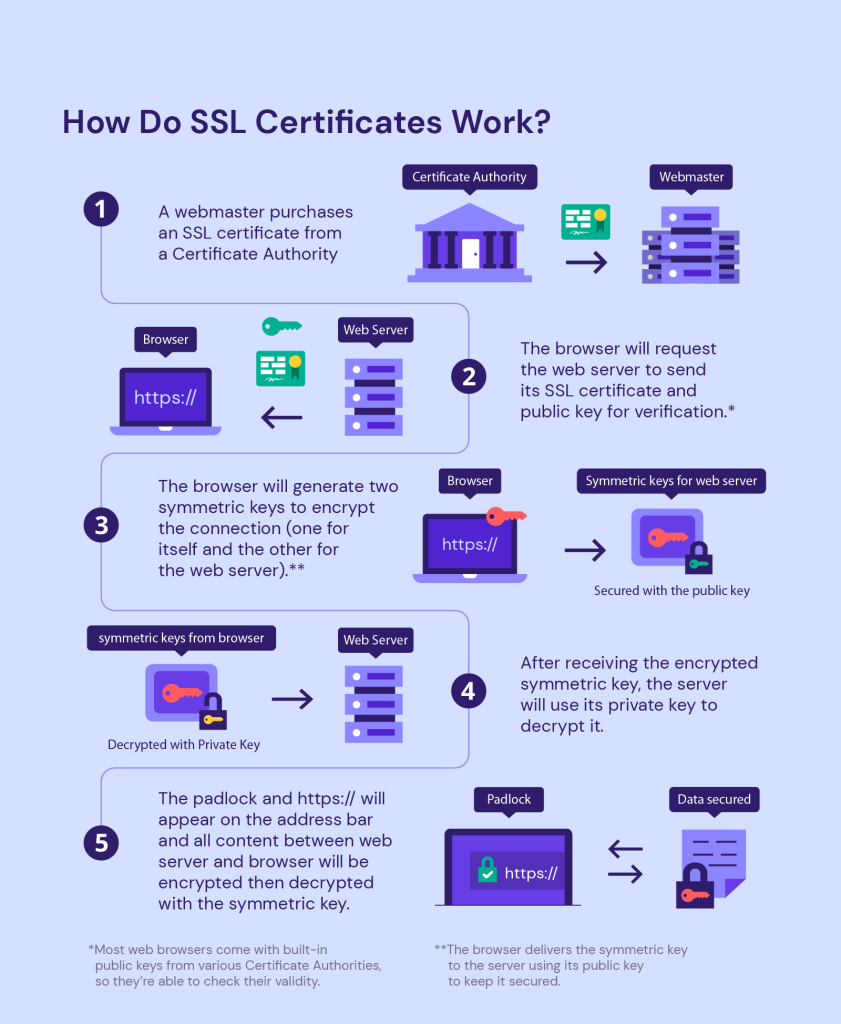
Once the encrypted data reaches the server, it is decrypted using the server’s private key, ensuring that only the intended recipient can access and read the information. This encryption-decryption process creates a secure tunnel through which data can safely travel between the client and server, protecting it from eavesdropping and interception.
Why SSL is Important?
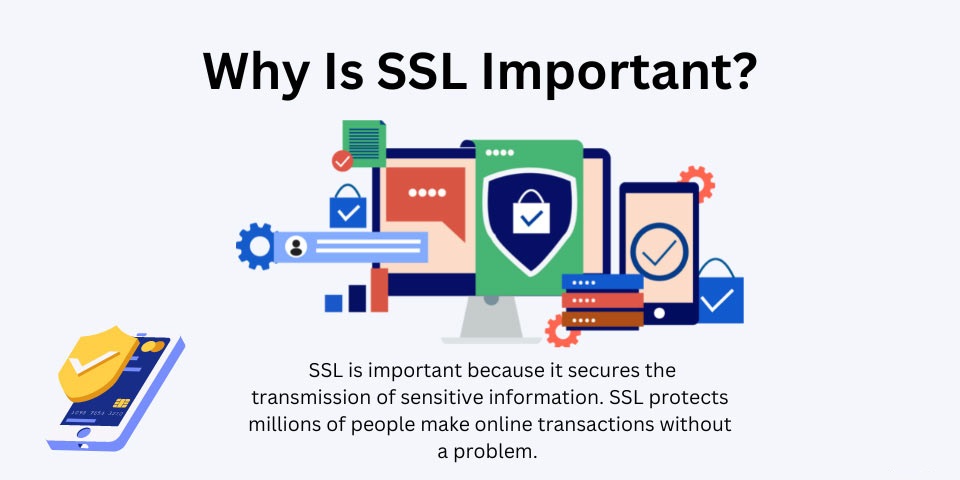
- Data Security: SSL encryption prevents unauthorized parties from intercepting and reading sensitive information, such as login credentials, credit card numbers, and personal data, transmitted over the internet.
- Trust and Credibility: Websites that use SSL are perceived as more trustworthy and secure by users. The presence of a padlock icon in the browser’s address bar and the “https://” prefix indicates that the connection is secure, instilling confidence in users to share their information.
- Compliance Requirements: Many regulatory bodies and industry standards, such as the Payment Card Industry Data Security Standard (PCI DSS) and the General Data Protection Regulation (GDPR), require websites to implement SSL to protect customer data and comply with data protection laws.
- Search Engine Ranking: Search engines like Google give preferential treatment to websites with SSL certificates, considering them more secure and prioritizing them in search results. This can improve a website’s visibility and attract more visitors.
In conclusion, SSL is a fundamental technology for securing online communication and protecting sensitive data exchanged over the internet. Whether you’re running an e-commerce store, a blog, or any other type of website, implementing SSL is essential to safeguard your users’ privacy, build trust, and comply with regulatory requirements. By encrypting data and establishing a secure connection, SSL ensures a safer and more secure browsing experience for everyone.
