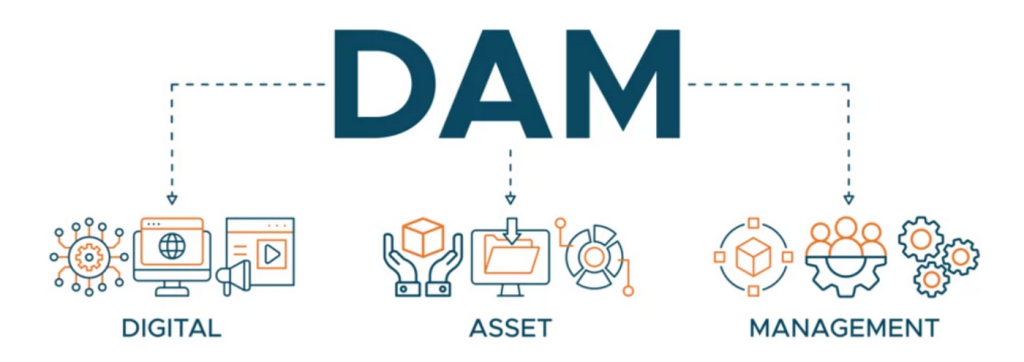
In an era where digital content is the backbone of marketing and brand communication, managing a vast array of digital assets efficiently is critical. For digital marketers, content teams, and SEO professionals, having a well-structured Digital Asset Management (DAM) system is no longer optional—it’s essential. A properly implemented DAM system not only streamlines workflows but also enhances collaboration and ensures brand consistency. This blog outlines the best practices for setting up a DAM system and explains why wizbrand is a leading choice for businesses looking to optimize their digital asset management.
Understanding the Importance of a DAM System
A Digital Asset Management system serves as a centralized hub where all digital assets—images, videos, documents, and more—are securely stored, organized, and made easily accessible. Without a DAM, teams often struggle with version control, scattered files, and inefficient retrieval processes that slow down productivity and risk brand misalignment.
Steps to Set Up a DAM System the Right Way
1. Identify Your Business Needs and Goals
Begin by defining what you want to achieve with your DAM system. Are you aiming to improve asset accessibility, enhance collaboration, or integrate with existing marketing and SEO Management Software? Establishing clear objectives will guide your choice of features and platform.
2. Select a Scalable and User-Friendly DAM Platform
Choosing the right DAM platform is crucial. wizbrand stands out as one of the Best Digital Asset Management Software solutions due to its intuitive interface, scalability, and comprehensive feature set. It caters specifically to the needs of digital marketers and SEO professionals, providing tools that enhance productivity and content governance.
3. Centralize Your Digital Assets
Consolidate all your digital files into a single, secure repository. Wizbrand’s cloud-based platform ensures that assets are stored safely and accessible to authorized users anytime, anywhere. Centralization eliminates duplication and confusion, creating a single source of truth for your organization.
4. Implement Robust Metadata and Tagging Practices
Effective metadata and tagging are essential for quick asset retrieval. Wizbrand allows you to add detailed metadata, keywords, and custom tags, making it easy to search and filter assets. This capability is especially valuable for large teams managing diverse content across multiple campaigns.
5. Establish Version Control and Access Permissions
Maintaining control over asset versions is vital to ensure brand consistency. Wizbrand’s version control tracks every change, allowing teams to revert to previous versions if needed. Granular permission settings enable you to regulate who can view, edit, or distribute assets, enhancing security and compliance.
6. Foster Real-Time Collaboration
Collaboration is at the heart of effective content creation. Wizbrand supports real-time feedback and approval workflows, enabling teams to work together seamlessly regardless of their physical location. This accelerates project timelines and improves communication.
7. Integrate with Marketing and SEO Tools
Maximize your DAM’s impact by integrating it with your broader digital ecosystem. Wizbrand’s seamless connection with SEO Management Software allows your team to optimize assets for search engines directly within the platform, improving your content’s reach and effectiveness.
8. Plan for Growth and Scalability
As your business expands, so will your digital asset library. Wizbrand’s cloud infrastructure scales effortlessly, accommodating growing volumes of content and users without sacrificing performance. This flexibility makes it one of the Best DAM Tools in the world.
Why Choose Wizbrand for Your DAM Needs?
Wizbrand is designed to meet the complex demands of today’s digital teams. Its combination of centralized storage, advanced tagging, version control, real-time collaboration, and SEO integration makes it a comprehensive solution for managing digital assets efficiently. Its user-friendly design ensures quick adoption across teams, while its robust security features protect your valuable content.
Conclusion: Empower Your Team with Wizbrand
Setting up a DAM system correctly is foundational to unlocking the full potential of your digital assets. By choosing wizbrand, you equip your team with a powerful platform that streamlines workflows, enhances collaboration, and safeguards your brand’s integrity.
Take the first step toward transforming your digital asset management. Explore wizbrand today and discover why it’s the trusted choice for digital marketers, content creators, and SEO professionals worldwide.
