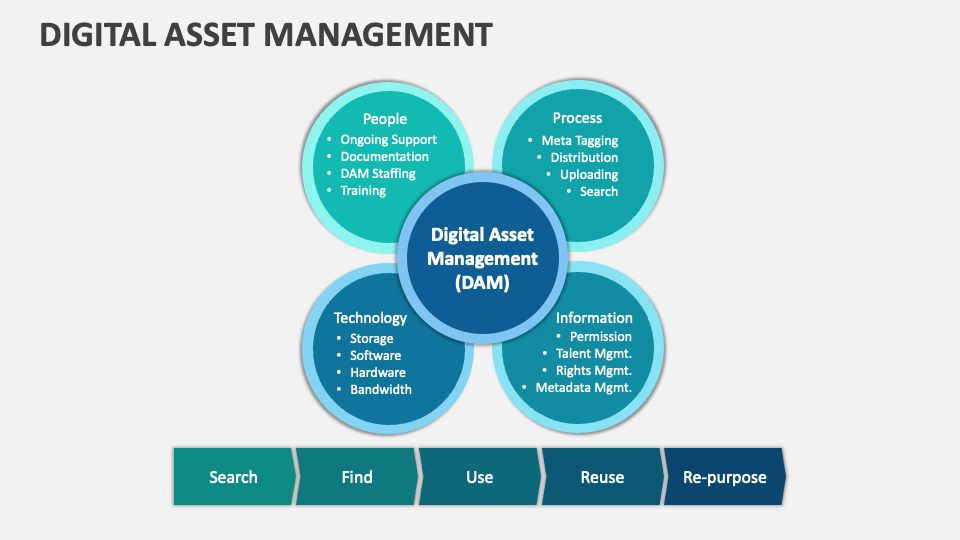
In the fast-paced world of digital marketing and content creation, teams are constantly challenged to manage a growing library of digital assets—images, videos, documents, and creative files. Without an effective system, valuable time is wasted searching for files, and the risk of using outdated or off-brand content increases. Digital Asset Management (DAM) has become an essential solution for modern teams, providing a secure, scalable, and intelligent platform to organize, share, and protect digital assets. This blog explores best practices for DAM and highlights how wizbrand empowers digital marketers, content teams, and SEO professionals to work smarter and faster.
Why Digital Asset Management Is Essential
Digital assets are at the heart of every marketing campaign, brand story, and online presence. As organizations grow, so does the complexity of managing these assets. DAM solutions streamline asset storage, simplify collaboration, and maintain brand consistency—enabling teams to focus on creativity and strategy rather than file management.
Best Practices for Secure, Scalable, and Smart DAM
1. Integrate for Seamless Workflows
A modern DAM must connect effortlessly with the tools your team already uses—content management systems, design platforms, marketing automation, and more. Integration eliminates manual uploads and downloads, allowing assets to flow smoothly between platforms. Scalability is equally important; as your asset library expands, your DAM should adapt without disruption, supporting more users and higher volumes.
2. Build a Strong Metadata Framework
Efficient asset retrieval depends on robust metadata. Establish clear metadata standards and naming conventions from the start. Use descriptive tags, categories, and AI-powered suggestions to make every asset easy to find. Regularly review and update metadata to reflect new campaigns and branding changes, keeping your DAM organized and reliable.
3. Enforce Security and Access Controls
Protecting your digital assets is critical. Set up role-based permissions so users only access what they need. Version control and audit logs prevent unauthorized changes and provide transparency into asset usage. These security measures not only safeguard your brand but also help meet regulatory requirements.
4. Automate Repetitive Tasks
Leverage automation to handle routine actions—such as file conversions, tagging, and approval routing. Automated workflows reduce manual work, speed up project timelines, and minimize errors. For example, when a new asset is uploaded, the system can automatically generate different file formats, notify reviewers, and publish approved content across channels.
5. Foster Team Collaboration
DAM platforms should enable real-time collaboration, allowing teams to review, comment, and approve assets from anywhere. Built-in templates and brand guidelines ensure consistency, while mobile and desktop access let teams contribute regardless of location. This collaborative environment accelerates project delivery and strengthens brand identity.
6. Maintain Ongoing Training and Governance
A DAM system is only as effective as its users. Provide regular training for all team members and appoint a DAM administrator to oversee governance. This includes archiving outdated assets, updating metadata, managing user access, and monitoring system health. Continuous oversight keeps your DAM efficient and aligned with business goals.
How Wizbrand Sets the Standard in DAM
wizbrand stands out as a comprehensive DAM solution tailored for digital marketers, SEO professionals, and content teams. Here’s how Wizbrand supports DAM best practices:
- Centralized Asset Library: All digital assets are organized in one secure location, making it easy for teams to find and use the latest content.
- Automated Workflows: Wizbrand automates asset processing, approvals, and distribution, saving time and reducing manual errors.
- Advanced Security: Granular permissions, version control, and audit trails protect your brand’s assets and reputation.
- Collaboration Tools: Real-time feedback, review features, and integrated brand guidelines foster efficient teamwork and ensure consistency.
- Scalable Infrastructure: Cloud-based architecture and robust integrations allow Wizbrand to grow with your organization, supporting increasing asset volumes and users.
- SEO Integration: As a leading SEO Management Software, Wizbrand helps teams optimize assets for search, improving visibility and campaign results.
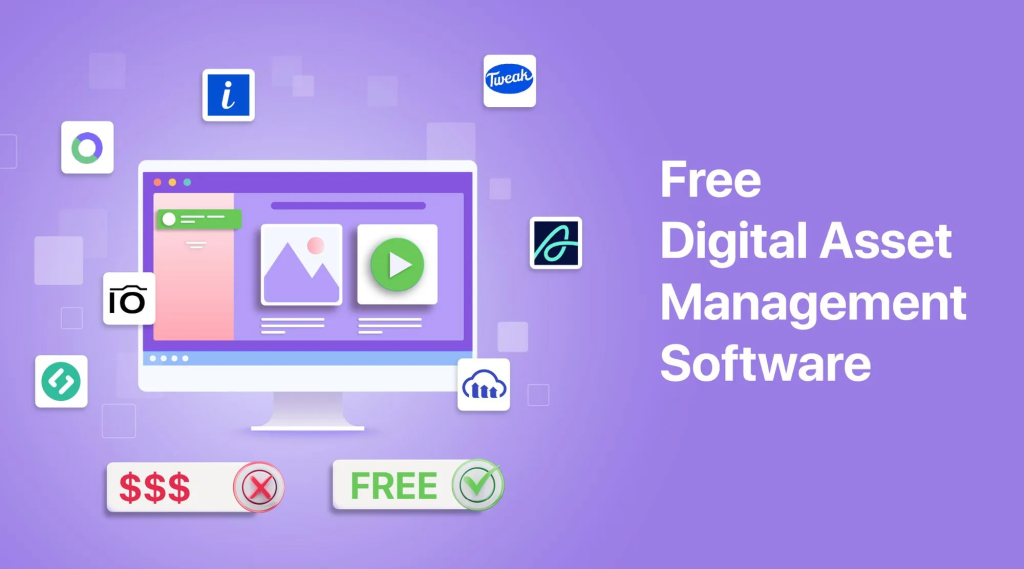
For those seeking the Best Digital Asset Management Software or evaluating the Best DAM Tools in the world, Wizbrand offers a feature-rich platform designed to meet the evolving needs of modern teams.
Conclusion: Transform Your Digital Asset Management
Adopting DAM best practices is essential for teams aiming to work securely, scale efficiently, and collaborate intelligently. With wizbrand, you can centralize your digital assets, streamline workflows, and empower your team to deliver consistent, high-quality content. Ready to enhance your digital asset management? Discover the power of Wizbrand and unlock new levels of productivity and brand success.
