Are you someone who is passionate about machine learning and operations? Do you enjoy working with data and building models? If so, then we have the perfect job for you!
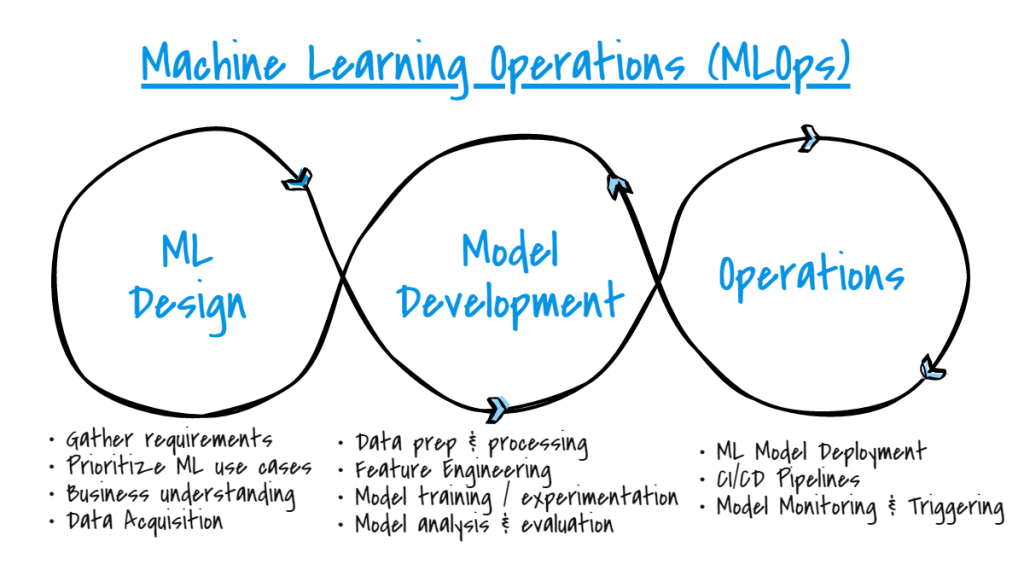
We are currently seeking an MLOps Engineer to join our team. In this role, you will be responsible for developing and maintaining the infrastructure required to support our machine-learning initiatives. This will include designing, building, and deploying scalable and reliable systems that can handle large amounts of data.
Responsibilities
As an MLOps Engineer, your responsibilities will include:
Designing and Implementing Infrastructure
You will be responsible for designing and implementing the infrastructure required to support machine learning initiatives. This may include setting up data pipelines, building data storage systems, and configuring cloud infrastructure.
Developing and Maintaining Models
You will work closely with data scientists to develop and maintain machine learning models. This may involve fine-tuning existing models, developing new models, and implementing model versioning and tracking.
Automating Processes
You will be responsible for automating processes wherever possible to increase efficiency and reduce the risk of human error. This may involve using tools such as Jenkins, Ansible, and Terraform.
Monitoring and Troubleshooting
You will be responsible for monitoring machine learning systems and troubleshooting issues as they arise. This may involve using tools such as Grafana, Prometheus, and ELK stack.
Qualifications
To be considered for this position, you should have:
- A degree in Computer Science, Electrical Engineering, or a related field
- At least 3 years of experience working in a similar role
- Strong programming skills in Python, Java, or another programming language
- Experience with cloud infrastructure such as AWS, Azure, or GCP
- Familiarity with containerization technologies such as Docker and Kubernetes
- Strong analytical skills and attention to detail
- Excellent communication and collaboration skills
Conclusion
If you are an MLOps Engineer who is looking for a challenging and rewarding role, then we encourage you to apply! In this role, you will have the opportunity to work with cutting-edge technology and make a real impact on the future of machine learning. We look forward to hearing from you!
