Data governance plays a crucial role in today’s data-driven world. With the increasing volume and complexity of data, organizations need effective tools to manage and govern their data assets. In this article, we will explore four popular data governance automation tools: Collibra, Informatica Axon, Talend Data Fabric, and Alation.
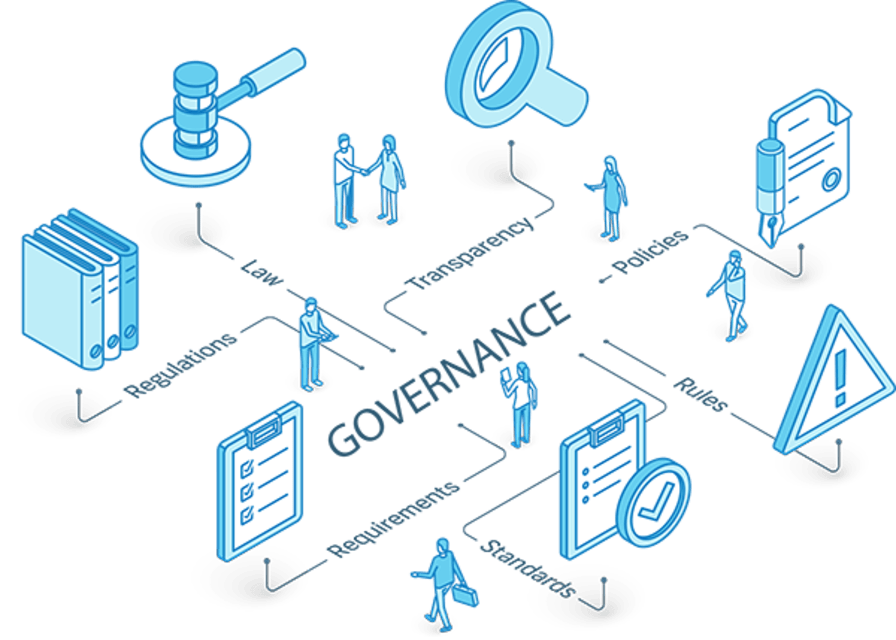
Collibra
Collibra is a leading data governance platform that helps organizations manage and govern their data assets. It provides a centralized platform for data cataloging, data lineage, data quality management, and data stewardship. With Collibra, organizations can ensure data accuracy, compliance, and security across their data landscape.
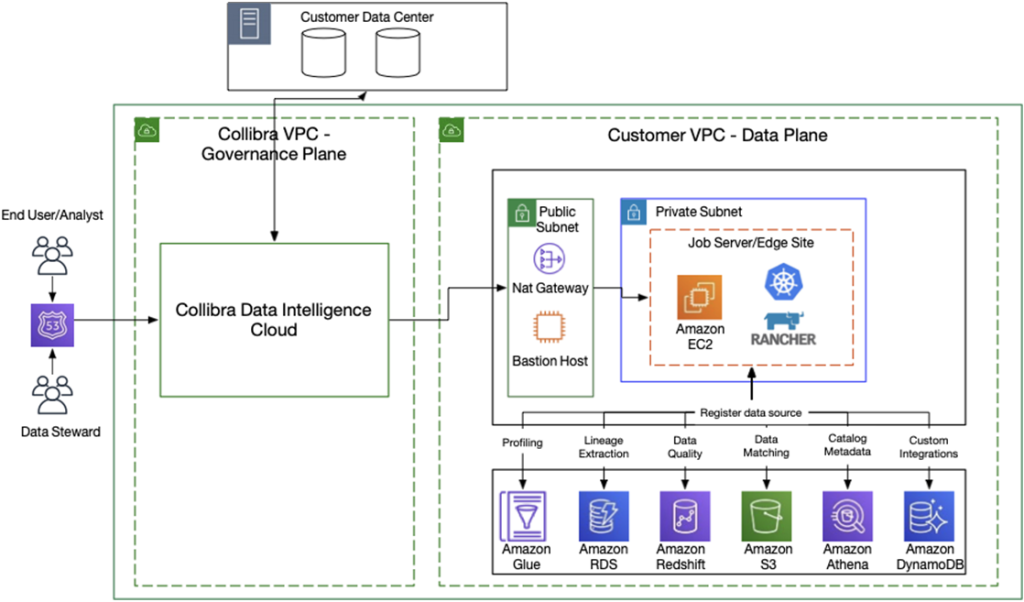
Key Features of Collibra:
- Data cataloging: Collibra allows users to create a comprehensive catalog of their data assets, including metadata, data definitions, and data lineage.
- Data lineage: With Collibra’s data lineage capabilities, users can track the origin and movement of data across the organization, ensuring data integrity and trust.
- Data quality management: Collibra provides tools for data quality assessment, profiling, and remediation, enabling organizations to improve the quality of their data.
Informatica Axon
Informatica Axon is another popular data governance tool that helps organizations manage their data assets. It provides a collaborative platform for data governance, data cataloging, and data lineage. With Informatica Axon, organizations can establish a culture of data governance and ensure data compliance.
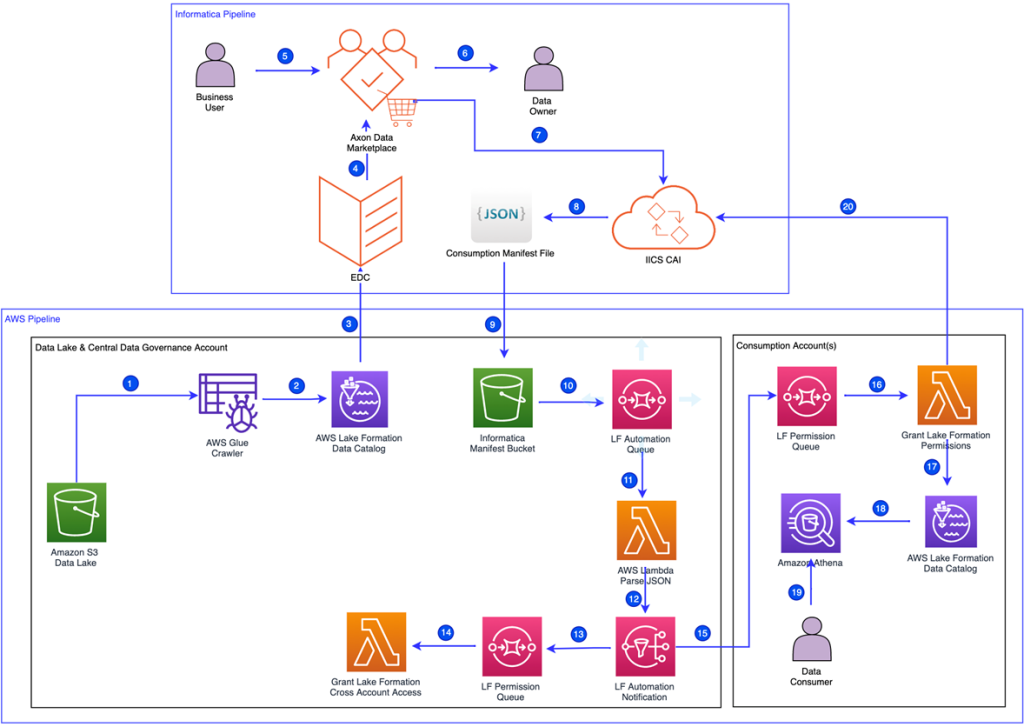
Key Features of Informatica Axon:
- Data governance collaboration: Informatica Axon allows users to collaborate and engage with stakeholders across the organization, fostering a culture of data governance.
- Data cataloging: Informatica Axon provides a comprehensive catalog of data assets, including metadata, data definitions, and data lineage.
- Data lineage: With Informatica Axon’s data lineage capabilities, users can track the origin, movement, and transformation of data, ensuring data quality and compliance.
Talend Data Fabric
Talend Data Fabric is a unified data integration and governance platform that helps organizations manage their data assets seamlessly. It provides a wide range of data integration, data quality, and data governance capabilities. With Talend Data Fabric, organizations can accelerate data-driven insights and ensure data governance.
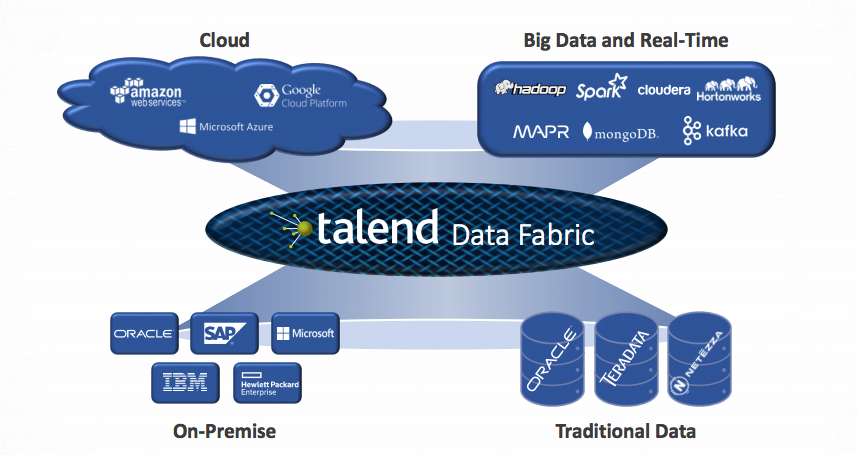
Key Features of Talend Data Fabric:
- Data integration: Talend Data Fabric offers powerful data integration capabilities, enabling organizations to connect, cleanse, transform, and migrate data across various sources and targets.
- Data quality: Talend Data Fabric provides tools for data profiling, data cleansing, and data enrichment, ensuring data accuracy and consistency.
- Data governance: Talend Data Fabric offers data governance features like data cataloging, data lineage, and data stewardship, allowing organizations to manage and govern their data assets effectively.
Alation
Alation is a collaborative data cataloging and data governance platform that helps organizations discover, understand, and trust their data assets. It provides a centralized platform for data cataloging, data lineage, and data governance. With Alation, organizations can foster data collaboration and ensure data governance.
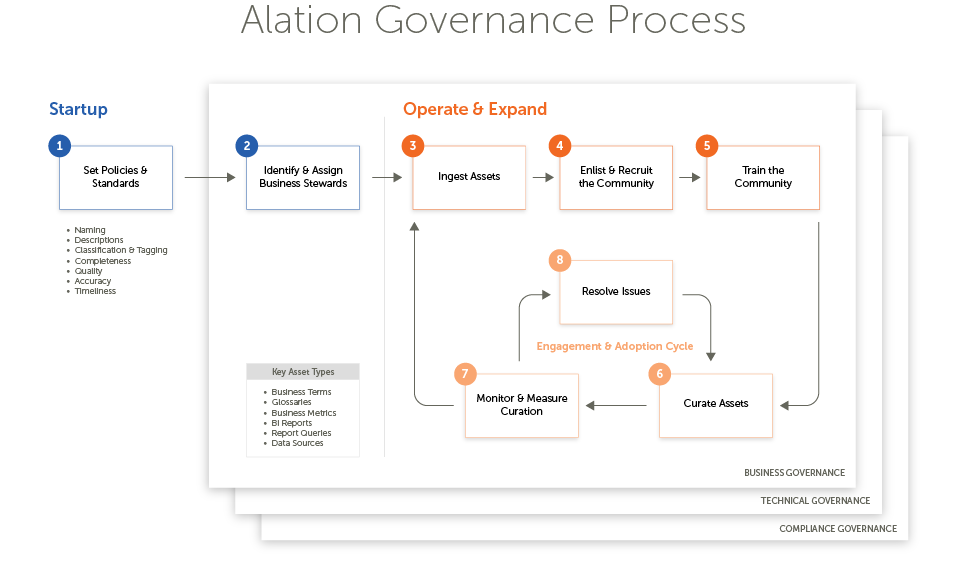
Key Features of Alation:
- Data cataloging: Alation offers a comprehensive catalog of data assets, including metadata, data definitions, and data lineage.
- Data lineage: Alation provides data lineage capabilities, allowing users to track the origin, movement, and transformation of data across the organization.
- Data governance collaboration: Alation enables collaboration among data users, data stewards, and data governance teams, fostering a culture of data governance.
In conclusion, data governance automation tools like Collibra, Informatica Axon, Talend Data Fabric, and Alation are essential for organizations to effectively manage and govern their data assets. These tools provide features like data cataloging, data lineage, and data quality management, enabling organizations to ensure data accuracy, compliance, and security. By leveraging these tools, organizations can unlock the full potential of their data and drive data-driven insights.
