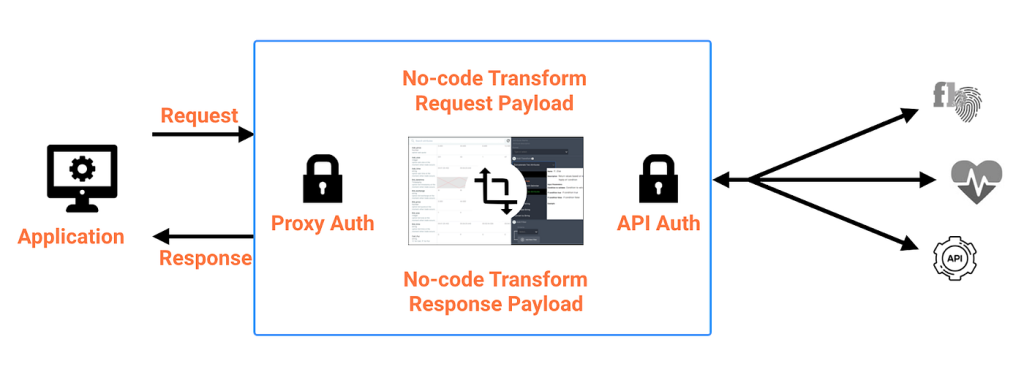
The world is becoming more digital by the day, which means that cybersecurity has become more important than ever before. With cyber threats on the rise, it’s essential to find new ways to protect your data. One of the ways that companies are doing this is through the use of DataOps.
What is DataOps?
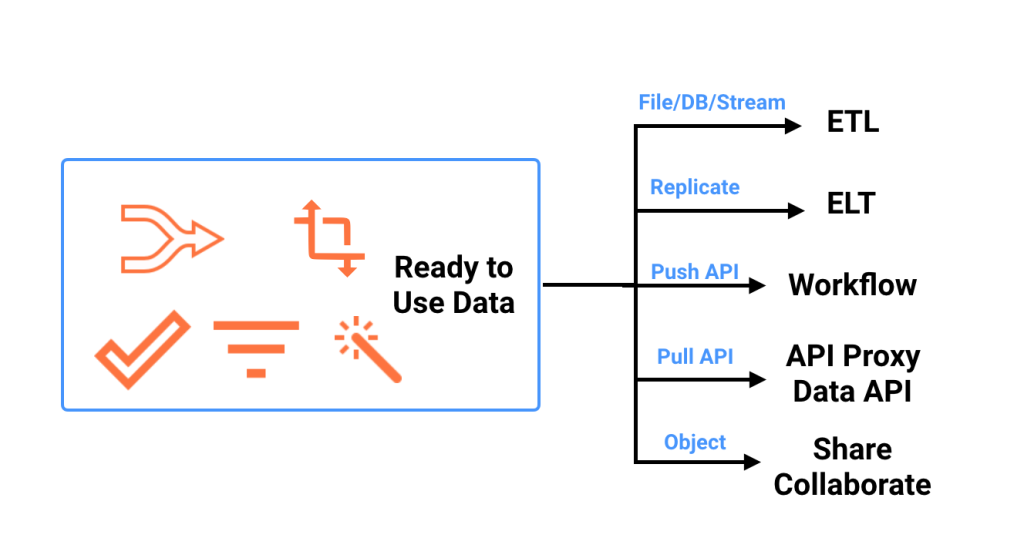
DataOps is a methodology that combines data management with DevOps practices. It’s designed to help organizations manage their data more effectively, ensuring that it’s accurate, secure, and available when needed. DataOps also helps to streamline the data management process, making it easier for organizations to work with large amounts of data.
How Can DataOps Help with Cybersecurity?
DataOps can help with cybersecurity in a number of ways. Here are a few examples:
Improved Data Quality
One of the key benefits of DataOps is that it helps to improve data quality. By using automated tools to manage data, organizations can ensure that their data is accurate and up-to-date. This is important when it comes to cybersecurity because inaccurate data can lead to vulnerabilities.
Faster Response to Threats
DataOps also helps organizations to respond more quickly to cyber threats. By automating the data management process, organizations can detect threats in real-time and respond quickly. This can help to prevent data breaches and other cyber attacks.
Increased Collaboration
DataOps also promotes collaboration between different teams within an organization. This can be particularly helpful when it comes to cybersecurity. By working together, teams can share information and insights, which can help to identify potential threats and vulnerabilities.
Continuous Monitoring
Finally, DataOps allows for continuous monitoring of data. This means that organizations can detect threats and vulnerabilities as soon as they occur, rather than having to wait for a periodic audit. This can help to prevent data breaches and other cyber attacks.
Conclusion
In conclusion, DataOps is a powerful tool that can help organizations to manage their data more effectively. By promoting collaboration, improving data quality, and enabling continuous monitoring, DataOps can help to prevent cyber attacks and protect sensitive data. If you’re looking for ways to improve your cybersecurity, DataOps is definitely worth considering.
