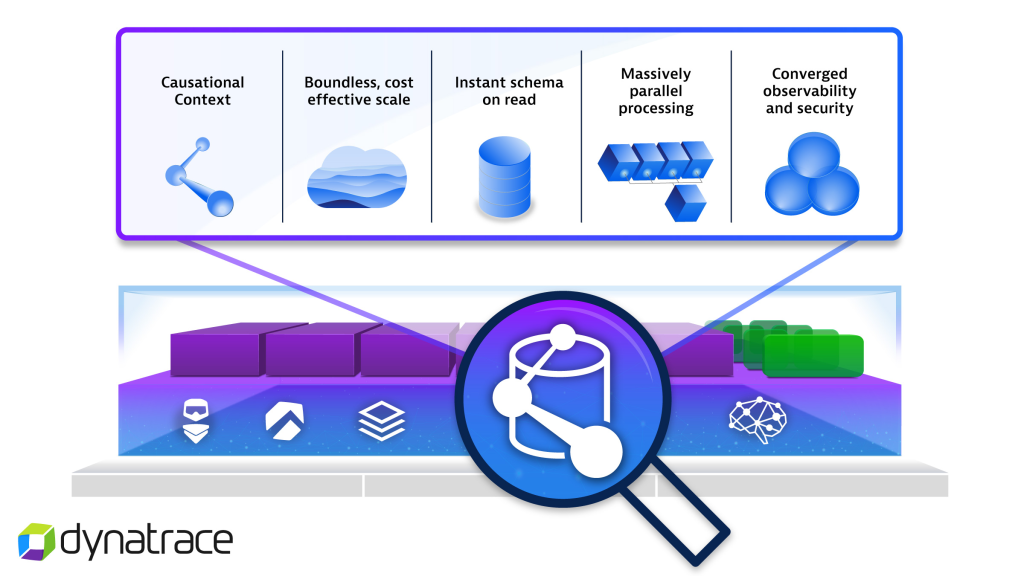
Are you tired of traditional monitoring approaches that no longer deliver value in today’s complex and dynamic IT environments? Dynatrace has revolutionized monitoring and observability with DataOps, a new approach that leverages automation and collaboration to streamline the entire process.
What is DataOps?
DataOps is a methodology that applies DevOps principles to data analytics. It emphasizes collaboration, automation, and continuous improvement to ensure that data is reliable, secure, and actionable. DataOps enables organizations to deliver high-quality data products faster and more efficiently, leading to better business outcomes.
Traditional Monitoring vs. DataOps Monitoring
In traditional monitoring, IT teams use tools that monitor infrastructure, applications, and user experience in silos. This approach can lead to blind spots and fragmentation, making it difficult to identify the root cause of issues. On the other hand, DataOps monitoring integrates all data sources into a single platform, enabling teams to gain a holistic view of the entire environment.
How Dynatrace Uses DataOps
Dynatrace has integrated DataOps principles into its monitoring and observability platform. The platform uses artificial intelligence (AI) and automation to collect and analyze data from across the IT stack. Dynatrace’s AI engine, Davis, identifies anomalies and provides root-cause analysis, reducing the time to resolution.
Benefits of Dynatrace’s DataOps Approach
Dynatrace’s DataOps approach offers several benefits, including:
Faster Time to Value
Dynatrace’s platform enables IT teams to start monitoring their environment within minutes, providing immediate value. The platform also offers out-of-the-box dashboards and reports, reducing the time and effort required to configure monitoring.
Improved Collaboration
Dynatrace’s platform promotes collaboration between different teams, such as development, operations, and business stakeholders. The platform provides a common language and a shared understanding of the environment, enabling teams to work together more effectively.
Automation
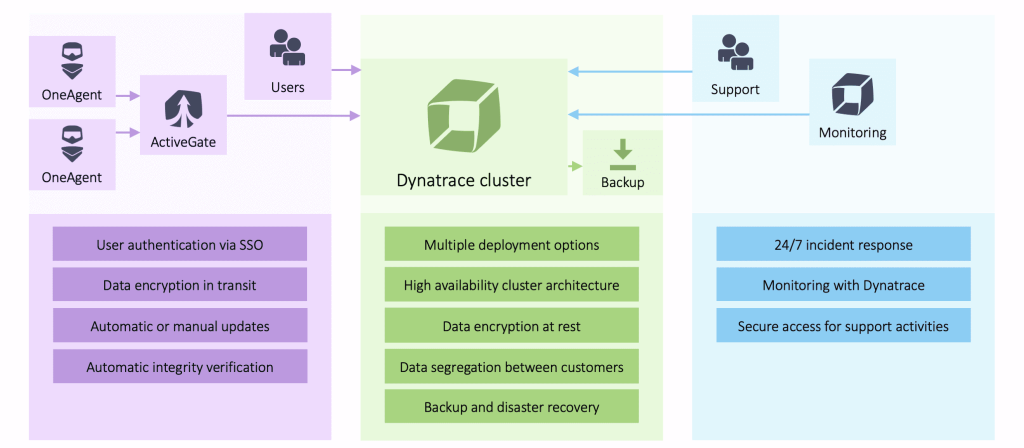
Dynatrace’s platform automates manual tasks, such as log analysis and root-cause analysis, reducing the risk of human error. Automation also enables IT teams to focus on higher-value tasks, such as optimizing the environment and delivering new features.
Scale and Flexibility
Dynatrace’s platform can scale to monitor large and complex environments, such as microservices and cloud-native architectures. The platform is also flexible, enabling IT teams to customize monitoring based on their specific needs.
Conclusion
In today’s fast-paced IT environment, traditional monitoring approaches are no longer effective. Dynatrace’s DataOps approach leverages automation and collaboration to deliver reliable, secure, and actionable data. By using Dynatrace’s platform, IT teams can improve collaboration, reduce manual tasks, and deliver value faster.
