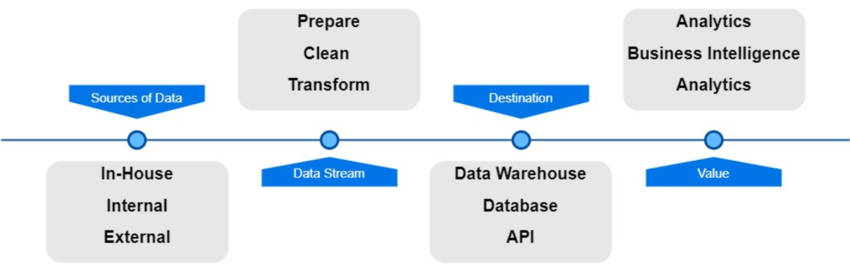
Are you embarking on a dataops journey? DataOps is a methodology that emphasizes collaboration, communication, and integration between data scientists, data engineers, and operations teams. It involves automating and streamlining processes to improve data quality and speed up time to insights. If you’re new to dataops, getting started can be overwhelming. Here are some tips to help you on your dataops journey:
1. Define Your Goals
Before you start, it’s essential to define your goals. What do you want to achieve with dataops? Do you want to improve data quality, reduce time to insights, or automate processes? Define your goals and make sure they align with your organization’s overall objectives.
2. Build Your Team
Dataops is a collaborative approach, and you’ll need a team to help you achieve your goals. Build a team that includes data scientists, data engineers, and operations professionals. Make sure everyone understands their roles and responsibilities and encourage collaboration and communication.
3. Automate Processes
Automation is a key component of dataops. Automating processes can help you reduce errors, improve data quality, and speed up time to insights. Look for opportunities to automate processes such as data ingestion, data integration, and data cleaning.
4. Monitor Your Data
Monitoring is critical to ensuring data quality and identifying issues quickly. Implement monitoring tools to track data quality and usage. Set up alerts to notify your team of any issues that arise.
5. Use Agile Methodologies
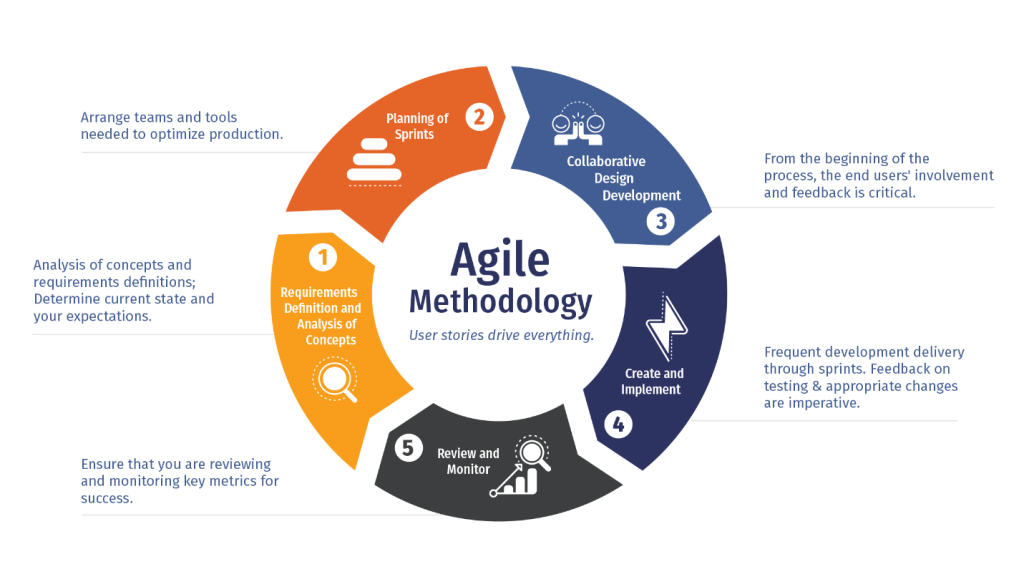
Agile methodologies, such as Scrum and Kanban, can help you manage your dataops projects effectively. Use agile methodologies to plan, track, and prioritize your work. Encourage collaboration and communication within your team.
6. Embrace DevOps
DevOps is a methodology that emphasizes collaboration and communication between development and operations teams. Embrace DevOps principles in your dataops journey. Encourage collaboration between your data scientists, data engineers, and operations professionals.
7. Measure Your Success
Measurement is critical to ensuring that you’re achieving your goals. Define metrics that align with your objectives and track your progress. Use these metrics to identify areas for improvement and make changes as necessary.
In conclusion, getting started on a dataops journey can be challenging, but with the right approach, you can achieve your goals. Define your goals, build your team, automate processes, monitor your data, use agile methodologies, embrace DevOps, and measure your success. With these tips, you’ll be well on your way to a successful dataops journey.
