Are you struggling to manage and analyze your data effectively? Do you find it challenging to keep up with the ever-increasing data volumes and complexity? Well, worry no more! In this article, we will discuss how you can implement DataOps using ChatGPT.
What is DataOps?
DataOps is a methodology that combines DevOps, Agile, and Lean practices to streamline the data management process. It ensures that data is delivered continuously and reliably to support business objectives. DataOps enables collaboration between different teams, such as data engineers, data scientists, and business analysts, to work together seamlessly.
What is ChatGPT?
ChatGPT is an open-source conversational AI model developed by OpenAI. It is based on the GPT-2 architecture and can generate human-like responses to text prompts. ChatGPT can be used to create chatbots, virtual assistants, and other conversational AI applications.
Why Use ChatGPT for DataOps?
ChatGPT can be used to automate many repetitive tasks involved in the data management process, such as data cleaning, data transformation, and data validation. It can also be used to generate reports, dashboards, and visualizations to help stakeholders understand the data better.
ChatGPT can also be used to streamline communication between different teams involved in the data management process. For example, it can be used to notify data engineers when new data is available, or to alert business analysts when a report is ready.
How to Implement DataOps Using ChatGPT?
Before you can implement DataOps using ChatGPT, you need to have a clear understanding of your data management process. This includes identifying the different teams involved, the tools and technologies used, and the workflows and processes.
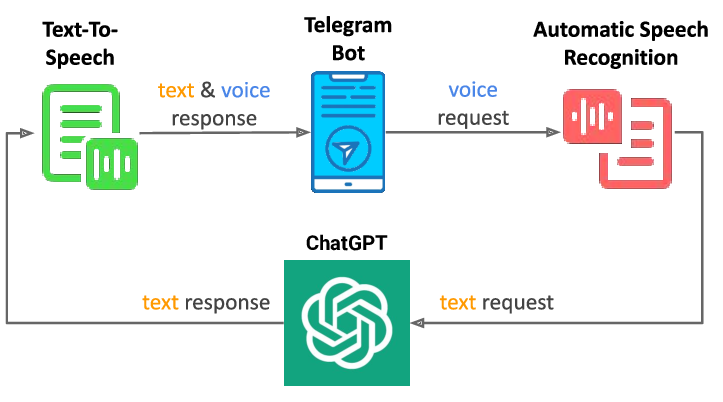
Once you have a clear understanding of your data management process, you can start implementing DataOps using ChatGPT. Here are the steps involved:
- Define Your Use Case: Identify the specific use case you want to automate using ChatGPT. This could be anything from data cleaning to report generation.
- Collect and Prepare Data: Gather the data you need to train your ChatGPT model. This could include historical data, sample data, or synthetic data. Clean and preprocess the data to ensure it is suitable for training.
- Train Your ChatGPT Model: Use the collected data to train your ChatGPT model. Fine-tune the model to ensure it can generate accurate and relevant responses to your prompts.
- Integrate ChatGPT with Your Data Management Tools: Integrate ChatGPT with your existing data management tools, such as data warehouses, ETL tools, and BI platforms.
- Test and Monitor Your ChatGPT Model: Test your ChatGPT model to ensure it is generating accurate and relevant responses. Monitor the performance of the model over time and make adjustments as needed.
Conclusion
Implementing DataOps using ChatGPT can help streamline the data management process and improve collaboration between different teams. By automating repetitive tasks and generating reports and visualizations, ChatGPT can help stakeholders understand the data better and make more informed decisions. With the right approach and tools, implementing DataOps using ChatGPT can be a game-changer for your organization.
