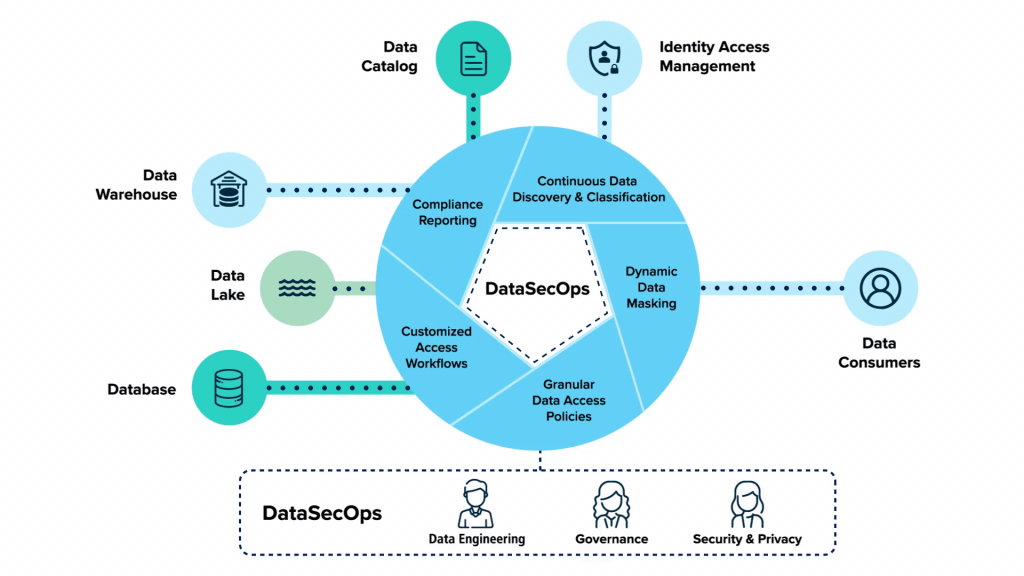
Are you tired of constantly dealing with security breaches and vulnerabilities in your software development process? Do you want to streamline your development and security operations to ensure the highest level of quality and protection for your applications? Look no further than DataOps for DevSecOps.
What is DataOps?
Before we dive into how DataOps can enhance your DevSecOps process, let’s first define what DataOps is. DataOps is a methodology that emphasizes collaboration, communication, and automation between data engineers, data scientists, and other stakeholders involved in the data lifecycle. The goal of DataOps is to streamline the development and deployment of data-driven applications while ensuring data quality, security, and compliance.
What is DevSecOps?
DevSecOps is a practice that incorporates security into the software development process from the very beginning. It involves collaboration between development, security, and operations teams to ensure that security is integrated into every stage of the development process, from code creation to deployment.
The Benefits of DataOps for DevSecOps
By incorporating DataOps into your DevSecOps process, you can achieve the following benefits:
Improved Collaboration
DataOps emphasizes collaboration between teams involved in the data lifecycle, including developers, data scientists, and security professionals. By working together, teams can identify potential vulnerabilities and security issues early on in the development process.
Increased Automation
Automation is a key component of both DataOps and DevSecOps. By automating repetitive tasks, such as testing and deployment, teams can save time and reduce the risk of human error. Automation also allows for more frequent and reliable releases, which is essential in today’s fast-paced software development environment.
Enhanced Security
By incorporating security into every stage of the development process, from code creation to deployment, teams can reduce the risk of vulnerabilities and security breaches. DataOps also emphasizes data quality and compliance, which are essential components of a secure development process.
How to Implement DataOps for DevSecOps
Now that we’ve covered the benefits of DataOps for DevSecOps, let’s discuss how to implement this methodology in your own organization.
Step 1: Define Your DataOps Process
The first step in implementing DataOps for DevSecOps is to define your DataOps process. This involves identifying the stakeholders involved in the data lifecycle, as well as the tools and technologies needed to support the process. It’s also important to establish clear communication channels and workflows to ensure that everyone is on the same page.
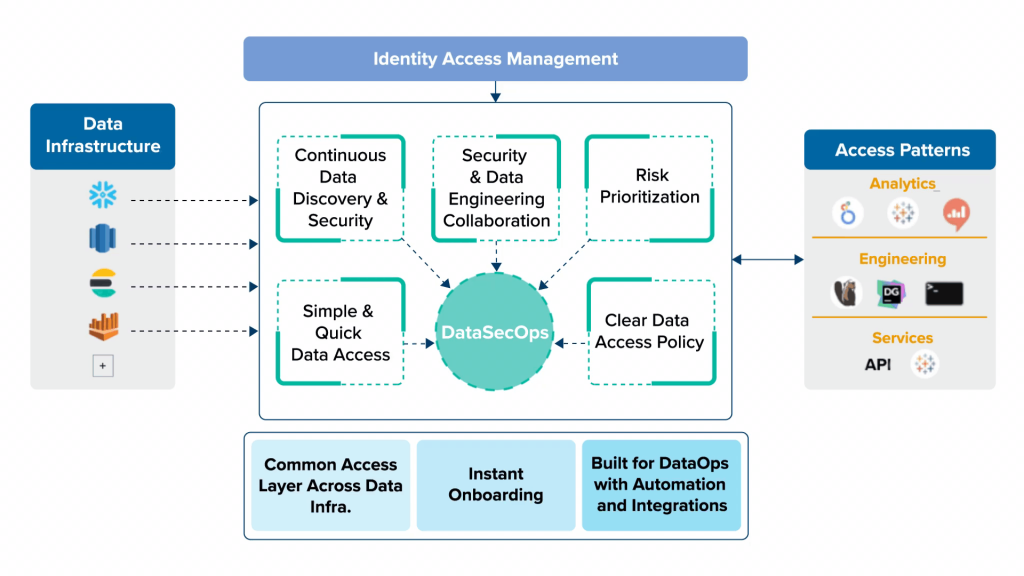
Step 2: Incorporate Security into Your DataOps Process
Once you have defined your DataOps process, the next step is to incorporate security into every stage of the process. This involves identifying potential vulnerabilities and security issues early on in the development process and implementing security controls to mitigate these risks.
Step 3: Automate Your DataOps Process
Automation is a key component of both DataOps and DevSecOps. By automating repetitive tasks, such as testing and deployment, teams can save time and reduce the risk of human error. It’s important to identify the right tools and technologies to support automation in your DataOps process.
Step 4: Monitor and Improve Your DataOps Process
Finally, it’s important to monitor and improve your DataOps process over time. This involves gathering feedback from stakeholders and analyzing data to identify areas for improvement. By continuously refining your process, you can ensure that it remains effective and efficient in the face of changing business requirements and technological advancements.
Conclusion
Incorporating DataOps into your DevSecOps process can help you achieve a more secure, efficient, and reliable software development process. By emphasizing collaboration, automation, and security, DataOps can help you build and deploy high-quality, data-driven applications that meet both business and security requirements. So why wait? Start implementing DataOps for DevSecOps today and see the benefits for yourself!
