Are you tired of the stress and chaos that comes with event planning? Do you feel like you’re constantly putting out fires instead of being proactive? If so, it’s time to consider using DataOps for your event management.
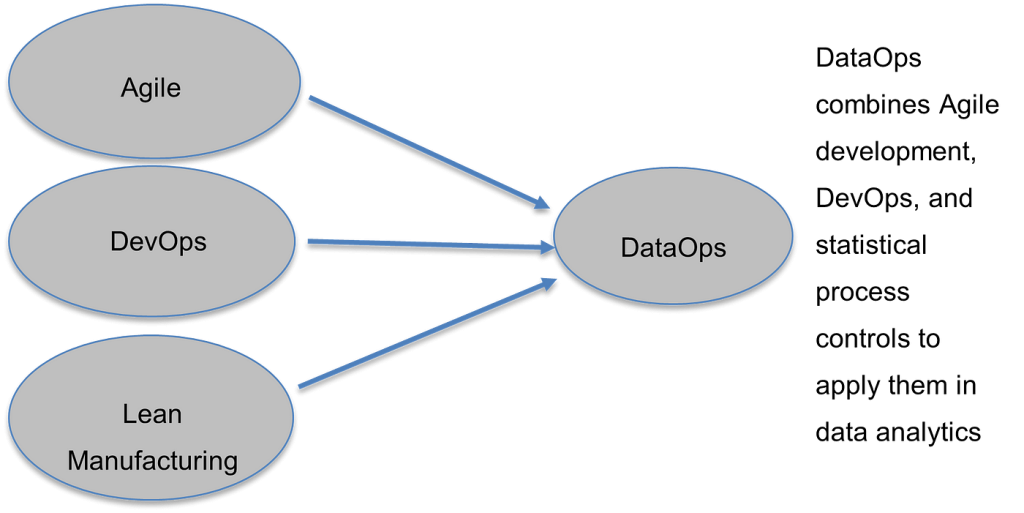
DataOps is a new approach to managing data that emphasizes collaboration, communication, and automation. It combines the principles of DevOps with data management to create a streamlined process that can help you manage your events more efficiently and effectively.
In this article, we’ll explore how you can use DataOps for event management, including its benefits, best practices, and tools.
What is DataOps?
DataOps is a methodology that aims to improve the quality and speed of data analytics by applying DevOps principles to data management. It’s a collaborative approach that emphasizes communication, automation, and continuous improvement.
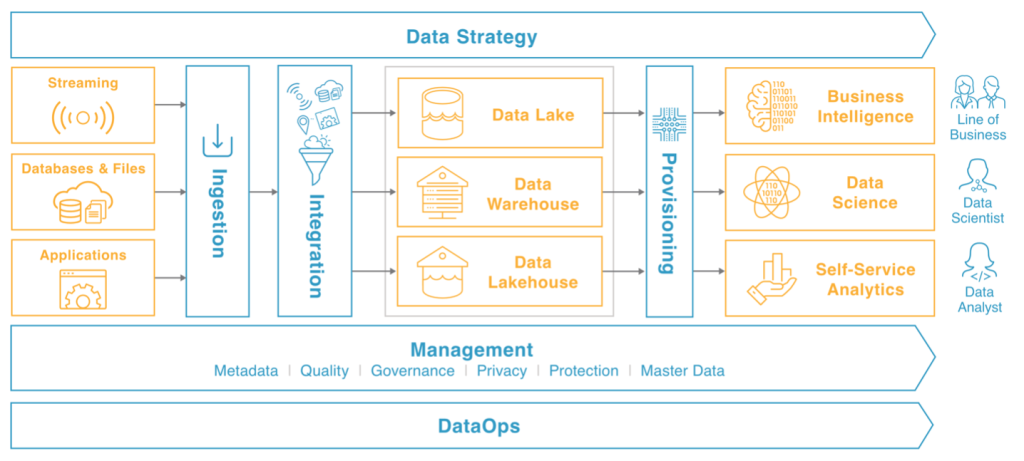
At its core, DataOps is about breaking down silos and streamlining processes. It involves creating a unified data platform that everyone on your team can access and use to make informed decisions.
The Benefits of Using DataOps for Event Management
There are many benefits to using DataOps for event management, including:
Improved Collaboration
DataOps encourages collaboration between different teams and departments. By breaking down silos and encouraging communication, you can ensure that everyone is on the same page and working towards the same goals.
Increased Efficiency
DataOps streamlines processes and eliminates redundancy. By automating repetitive tasks and reducing manual errors, you can increase efficiency and reduce the time it takes to plan and execute events.
Better Decision Making
DataOps provides real-time insights into your event data. By analyzing this data, you can make informed decisions that improve the overall success of your events.
Enhanced Security
DataOps emphasizes security and compliance. By implementing best practices for data management and security, you can protect your event data from unauthorized access and ensure that it’s compliant with relevant regulations.
Best Practices for Using DataOps for Event Management
Now that you understand the benefits of using DataOps for event management, let’s explore some best practices that can help you get started:
Define Clear Goals and Objectives
To get the most out of DataOps, you need to define clear goals and objectives for your events. This will help you identify the data that you need to collect and analyze to achieve your goals.
Break Down Silos
DataOps is all about collaboration and communication. To make it work, you need to break down silos between different teams and departments. Encourage open communication and create a unified data platform that everyone can access.
Automate Repetitive Tasks
One of the key benefits of DataOps is automation. By automating repetitive tasks, you can reduce manual errors and save time. Identify tasks that can be automated and use tools like Zapier or IFTTT to streamline your processes.
Analyze Your Data
DataOps provides real-time insights into your event data. Use this data to make informed decisions that improve the overall success of your events. Identify trends and patterns in your data and use them to optimize your processes.
Implement Best Practices for Security and Compliance
DataOps emphasizes security and compliance. Implement best practices for data management and security to protect your event data from unauthorized access and ensure that it’s compliant with relevant regulations.
Tools for Using DataOps for Event Management
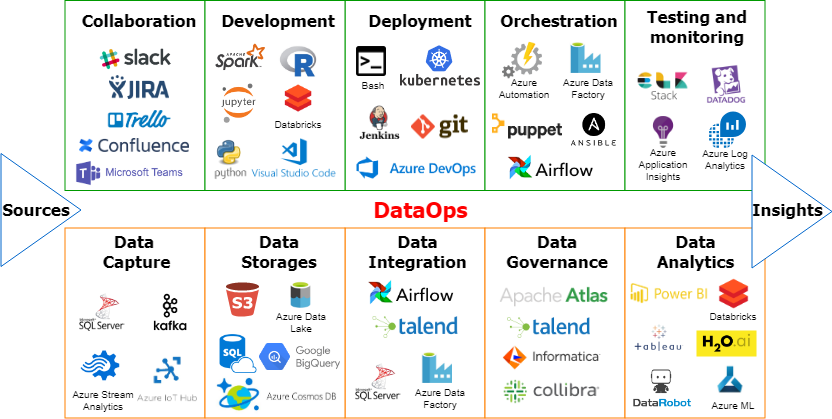
There are many tools available that can help you implement DataOps for event management, including:
Airtable
Airtable is a cloud-based database that allows you to store and manage event data in one place. It offers a range of features, including customizable forms, real-time collaboration, and powerful integrations.
Zapier
Zapier is a tool that allows you to automate repetitive tasks between different apps. You can use it to create workflows that streamline your event management processes.
Tableau
Tableau is a data visualization tool that allows you to analyze and share your event data. It offers a range of features, including drag-and-drop analytics, real-time collaboration, and interactive dashboards.
Conclusion
DataOps is a powerful methodology that can help you manage your events more efficiently and effectively. By breaking down silos, streamlining processes, and automating repetitive tasks, you can improve collaboration, increase efficiency, and make better decisions.
Implementing DataOps can be challenging, but with the right tools and best practices, you can take your event management to the next level. So why not give it a try and see how it can benefit your events?
