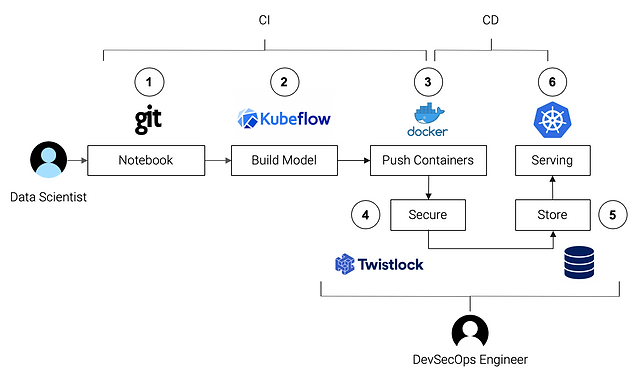
Are you tired of managing your machine learning models in a disorganized and insecure manner? Do you want to ensure that your models are both accurate and secure? Look no further than MLOps for DevSecOps!
What is MLOps?
MLOps, short for “Machine Learning Operations,” is a set of best practices and tools used to manage the entire lifecycle of a machine learning model. This includes everything from data preparation and model training to deployment and monitoring.
What is DevSecOps?
DevSecOps is an approach to software development that integrates security practices into the development process. The goal is to ensure that security is a top priority throughout the entire development lifecycle, rather than an afterthought.
Why Combine MLOps and DevSecOps?
By combining MLOps and DevSecOps, you can ensure that your machine learning models are not only accurate but also secure. This is especially important in industries such as healthcare and finance, where the consequences of a security breach can be severe.
How to Use MLOps for DevSecOps
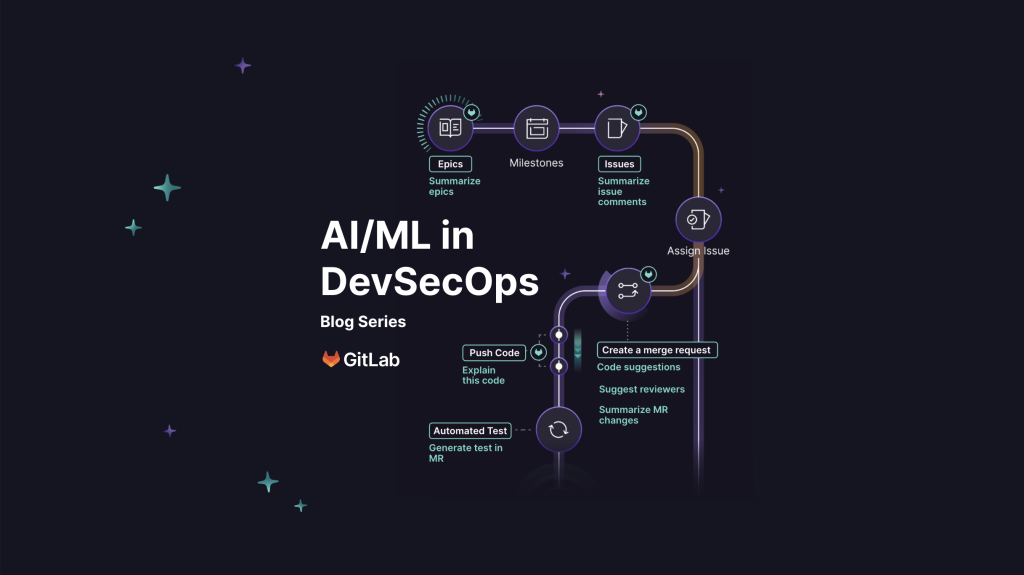
- Data Preparation: Ensure that your data is both accurate and secure. This includes removing any personally identifiable information (PII) and encrypting sensitive data.
- Model Training: Use version control to keep track of your machine learning models. This will allow you to easily revert to previous versions if needed. Also, ensure that your models are trained on diverse datasets to avoid bias.
- Deployment: Use a secure deployment process that includes testing and validation. This will help ensure that your models are not vulnerable to attacks.
- Monitoring: Continuously monitor your models for security vulnerabilities and accuracy. This includes using anomaly detection to identify any unexpected behavior.
Anecdotes and Random Facts About MLOps and DevSecOps
- Did you know that the average cost of a data breach is $3.86 million? (Source: IBM)
- In 2020, 43% of data breaches were caused by hacking. (Source: Verizon)
- The first recorded use of the term “DevSecOps” was in 2012. (Source: DevOps.com)
Conclusion
MLOps for DevSecOps is a powerful approach to managing machine learning models. By following best practices and using the right tools, you can ensure that your models are both accurate and secure. So what are you waiting for? Start using MLOps for DevSecOps today!
