Resize Image for social sites refers to the process of adjusting the dimensions or size of an image to meet the specific requirements of social media platforms. Social media sites often have specific guidelines and recommended image sizes for profile pictures, cover photos, posts, and advertisements. Here are the uses and benefits of resizing images for social sites:
- Optimal Display: By resizing images to the recommended dimensions, you ensure that your visuals appear properly on social media platforms. Images that are too large or too small can be distorted or cropped, affecting their overall quality and visual impact. Resizing images ensures they are displayed as intended, enhancing the overall aesthetic of your social media presence.
- Faster Loading Times: Large image file sizes can slow down the loading speed of web pages and social media feeds. Resizing images reduces their file size, optimizing them for faster loading times. This improves user experience, as visitors can quickly view and engage with your content without waiting for images to load.
- Consistent Branding: Resizing images for social sites allows you to maintain consistent branding across different platforms. By ensuring your profile pictures, cover photos, and other visuals are correctly sized, you present a cohesive and professional brand image to your audience.
- Mobile-Friendly Experience: Social media is predominantly accessed through mobile devices. Resizing images for social sites takes into account the smaller screen sizes and resolutions of mobile devices, ensuring your images are optimized for mobile viewing. This helps to deliver a seamless and engaging experience to mobile users.
- Adherence to Platform Guidelines: Social media platforms have specific guidelines for image sizes to ensure optimal display and performance. Resizing images for social sites ensures that your content complies with these guidelines, preventing images from being cropped or distorted and ensuring your posts and ads appear as intended.
- Improved Engagement: Well-optimized images that fit the layout and dimensions of social media platforms tend to receive higher engagement. Resizing images for social sites allows you to make the most of the available visual real estate, increasing the chances of attracting attention, likes, comments, and shares from your audience.
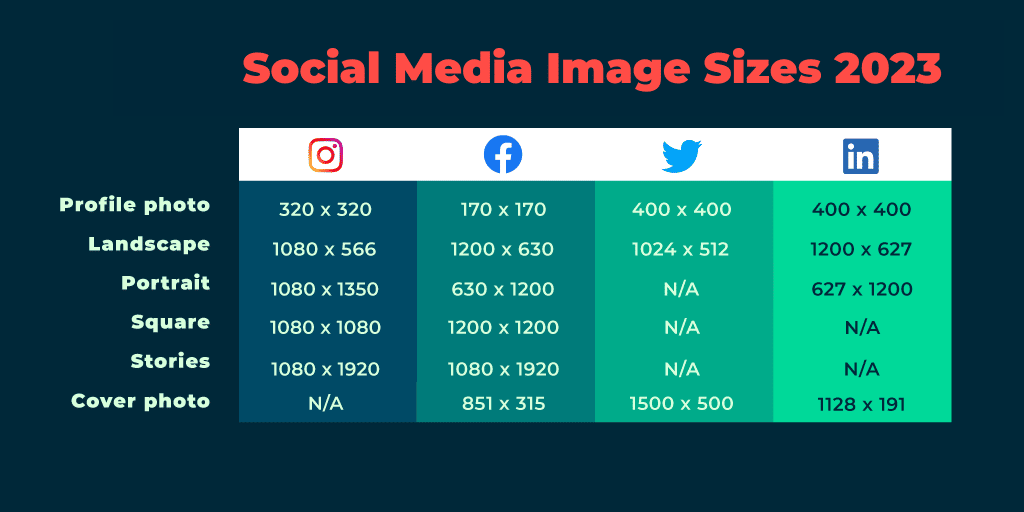
How Wizbrand‘s Image for social sites tool would help?
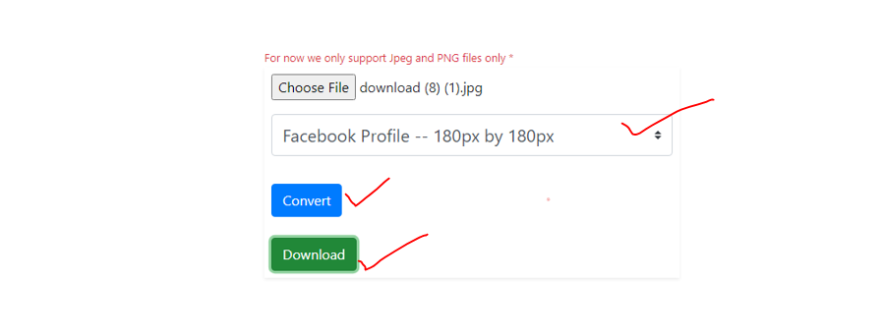
The Image for social sites tool by Wizbrand is an efficient solution for users who need to resize their images for various social media platforms. The tool offers different frame sizes for platforms like Facebook, Instagram, Twitter, and LinkedIn. To use the tool, users just need to upload their image and select the desired frame size. The tool will then automatically resize the image, eliminating the need for manual editing. By using this tool, users can be sure that their images meet the requirements and look great on their chosen social media platforms, all while saving time and effort.
Step 1:- Click On https://www.wizbrand.com/tools/image-resizer
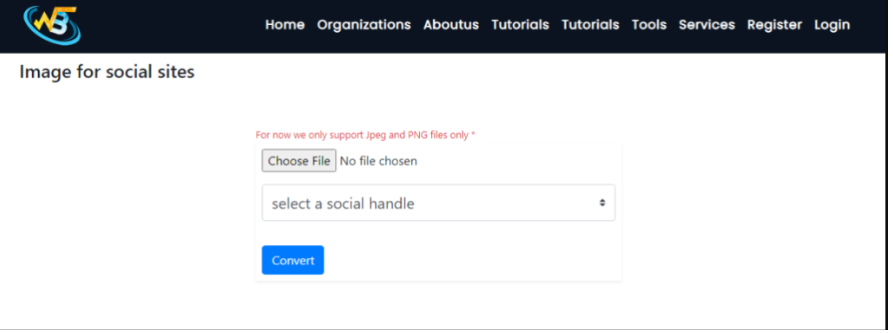
Step 2:- Select what you Want
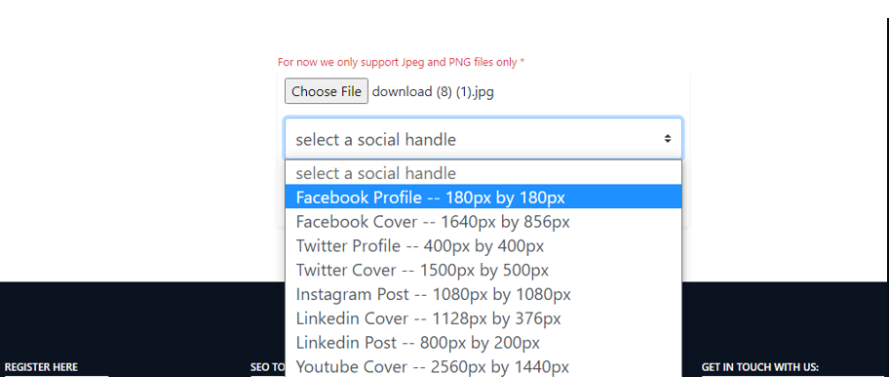
Step 3:- Convert And Download
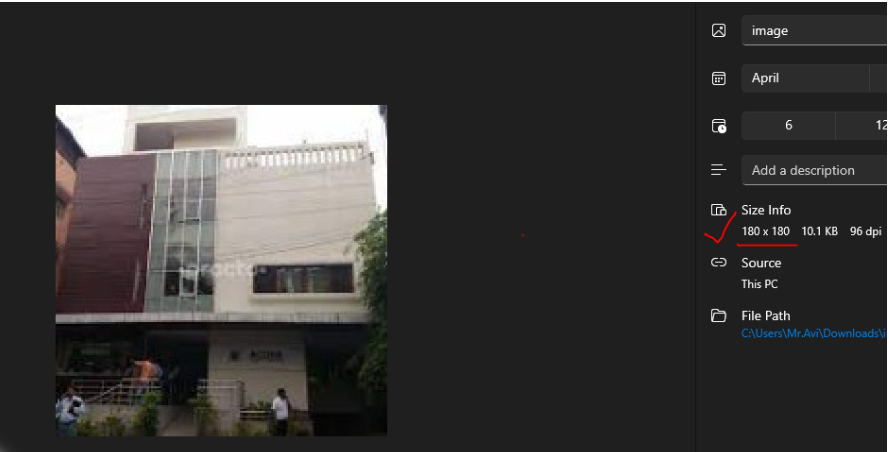
Output:-
These are useful links
