The Site Reliability Engineering (SRE) Foundation Certification by DevOpsSchool, led by expert trainer Rajesh Kumar from www.RajeshKumar.xyz, is designed to give students a robust understanding of SRE principles and their practical applications. Below is a comprehensive certification manual covering the essential sections to prepare for the SRE Foundation Certification.
1. Introduction to Site Reliability Engineering (SRE) Foundation Certification
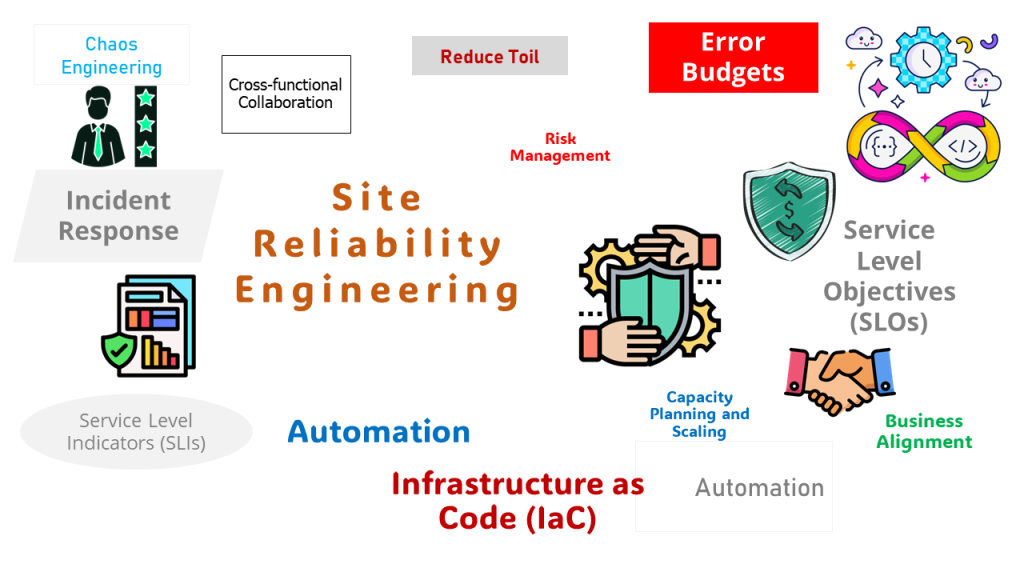
- Overview: Introduce the concept of Site Reliability Engineering (SRE) and its importance in modern infrastructure and application reliability.
- Objective: Explain the purpose of the SRE Foundation certification, which is to equip learners with knowledge in building reliable, scalable systems, focusing on automation and continuous monitoring.
- Certification Provider: DevOpsSchool in association with Rajesh Kumar, an industry expert in DevOps and SRE, offers this certification.
2. Why SRE Foundation Certification?
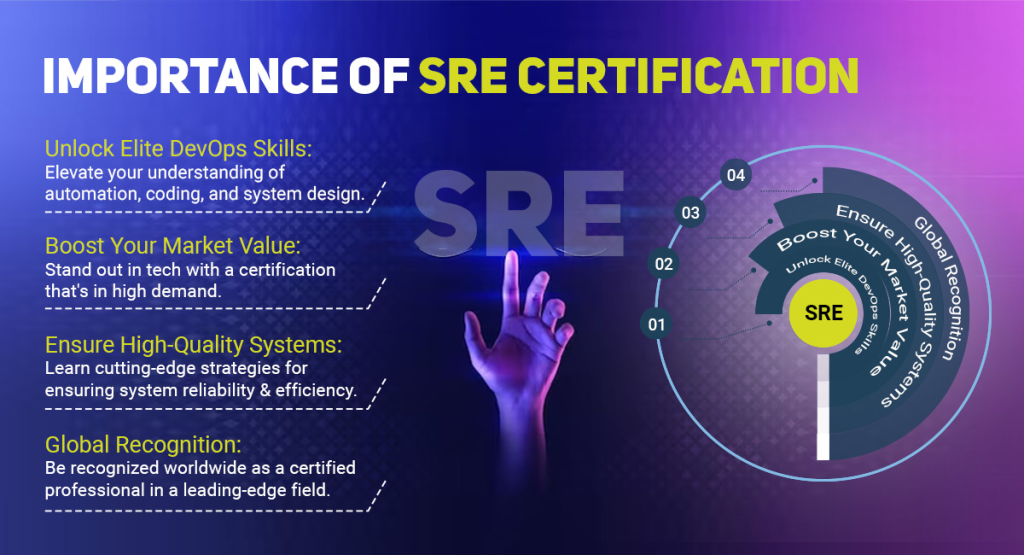
- Career Advancement: Highlight how SRE is one of the most in-demand skills in IT and DevOps, opening doors for positions in infrastructure management, systems reliability, and performance optimization.
- Industry Demand: Discuss the role of SRE in improving system reliability and how companies like Google, Netflix, and LinkedIn rely on SRE teams to handle system failures gracefully.
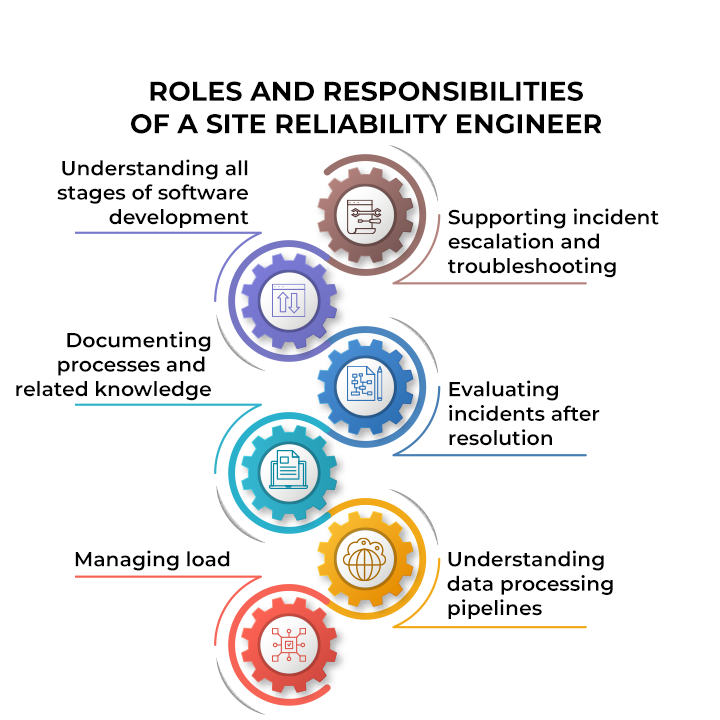
- Skills Development: Emphasize the skills participants will gain, such as automating processes, improving infrastructure reliability, and implementing best practices in incident management.
3. Key Learning Objectives
- Understanding SRE Concepts: Key SRE principles, including reliability, scalability, and automation.
- Best Practices in Reliability Engineering: Strategies for balancing reliability and development speed.
- Monitoring and Alerting: Techniques for setting up and configuring monitoring, alerting systems, and SLOs (Service Level Objectives).
- Incident Management: Effective incident response practices and post-mortem reviews to learn from system failures.
- Automation: Emphasis on reducing manual operations, automating infrastructure as code, and minimizing human error.
- Error Budgets: Setting error budgets and managing them to balance innovation with reliability.
4. Certification Agenda
The SRE Foundation Certification is organized into modules that cover all aspects of site reliability engineering comprehensively:
- Module 1: Introduction to SRE
- History and evolution of SRE
- Key concepts and principles
- Differences between traditional operations and SRE
- Module 2: Principles and Practices of SRE
- Building reliability at scale
- Balancing feature development and reliability
- Implementing SRE practices in real-world scenarios
- Module 3: Service Level Objectives (SLOs) and Error Budgets
- Setting and managing Service Level Indicators (SLIs) and SLOs
- Establishing and managing error budgets
- Practical exercises on error budget policies
- Module 4: Incident Management and Post-Incident Analysis
- Incident response best practices
- Conducting effective post-incident reviews
- Using post-incident analysis to improve reliability
- Module 5: Automation and DevOps Tools in SRE
- Using automation to improve reliability
- Implementing tools like Kubernetes, Prometheus, and Jenkins for CI/CD in SRE
- Infrastructure as Code (IaC) fundamentals
- Module 6: Monitoring, Alerting, and Observability
- Implementing effective monitoring and alerting systems
- Observability basics and tools
- SRE tools overview: Grafana, Prometheus, and ELK Stack
- Module 7: Practical Applications of SRE
- Real-world case studies and examples
- Applying SRE in different industry contexts
- Tips for implementing SRE in small and large organizations
5. Course Prerequisites
- Foundational Knowledge in DevOps: Recommended to have a background in DevOps practices or experience with software development or system administration.
- Basic Knowledge of Cloud Computing: Understanding cloud infrastructure and platforms, such as AWS, Google Cloud, or Azure, will be beneficial.
- Familiarity with Scripting and Automation: Experience in scripting languages (e.g., Python, Bash) and DevOps automation tools.
6. Exam Structure and Preparation Guide
- Exam Format: Multiple-choice and scenario-based questions.
- Duration: 90 minutes with 50 questions.
- Passing Score: 70%.
- Preparation Tips:
- Complete hands-on labs and exercises in DevOps and monitoring tools.
- Review case studies in SRE implementations to understand best practices.
- Practice with sample questions and quizzes to test your knowledge.
7. Resources for Study and Practice
- Official DevOpsSchool Course Materials: Access to course slides, lecture notes, and lab exercises.
- Recommended Books: Site Reliability Engineering by Google, The DevOps Handbook, and Building Secure and Reliable Systems.
- Online Communities: Join SRE communities and forums on platforms like DevOpsSchool, Reddit, and LinkedIn.
- Tools and Labs: Practical experience with Prometheus, Grafana, Kubernetes, and Ansible for hands-on skills.
8. Certification Benefits and Career Opportunities
- Increased Employability: Earning this certification demonstrates your expertise in SRE and reliability engineering practices.
- Salary Insights: Professionals with SRE skills often command high salaries due to their expertise in system reliability and scalability.
- Career Growth: Opens pathways to roles such as Site Reliability Engineer, DevOps Engineer, and Infrastructure Engineer.
9. Conclusion
- Earning the SRE Foundation Certification: With DevOpsSchool’s structured curriculum and hands-on labs, you’ll be ready to tackle complex challenges in site reliability.
- Continuous Learning: Encourage students to keep updating their knowledge with advanced certifications and specialized training in automation and observability.
- Becoming Part of the SRE Community: Engaging with the SRE community helps in sharing insights, staying updated, and networking with like-minded professionals.
