Are you curious about MLOps? Do you want to know some examples of how it works? Well, you’ve come to the right place. In this blog post, we’ll cover everything you need to know about MLOps examples.
Introduction
Machine Learning Operations (MLOps) is a term used to describe the practices and techniques that enable teams to build, deploy, and manage machine learning models at scale. It’s a critical component of any successful machine learning project, as it ensures that models are reliable, scalable, and efficient.
MLOps Examples
Here are some MLOps examples that you can use to get a better understanding of how it works:
1. Continuous Integration/Continuous Deployment (CI/CD)
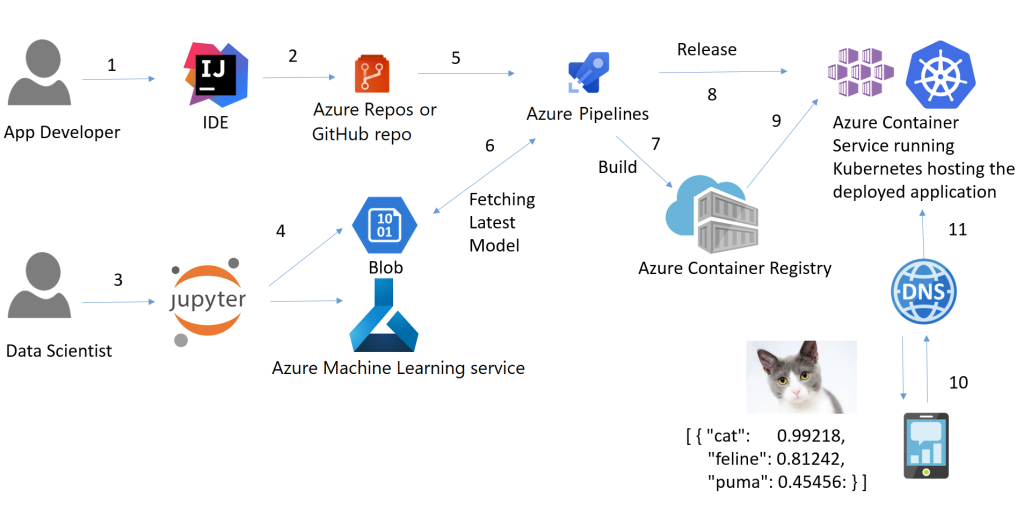
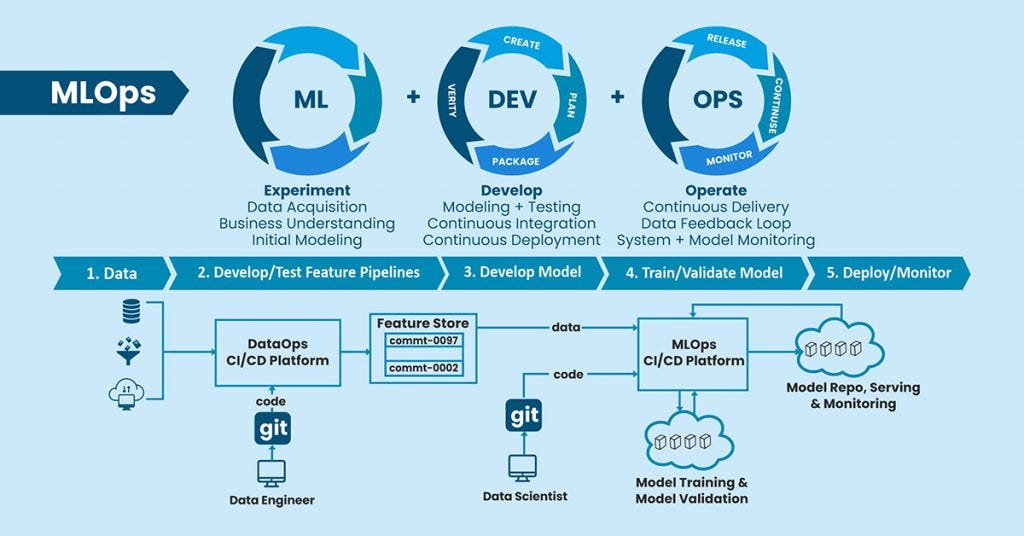
CI/CD is a popular software development practice that involves continuously integrating new code changes into a codebase and then deploying those changes to a production environment. In the context of MLOps, CI/CD is used to automate the process of building, training, and deploying machine learning models. This ensures that models are always up-to-date and ready for use.
2. Monitoring and Logging
Monitoring and logging are essential components of any MLOps workflow. They provide teams with real-time insights into how their models are performing in production and help identify issues before they become problems. This can include things like monitoring system performance, tracking model accuracy, and logging errors and exceptions.
3. DevOps Integration
DevOps is a methodology that emphasizes collaboration and communication between software development and IT operations teams. In the context of MLOps, DevOps is used to help streamline the machine learning development process and ensure that models are deployed quickly and efficiently.
4. Data Management
Data management is a critical component of any machine learning project. It involves collecting, storing, and processing data in a way that is reliable, scalable, and secure. In the context of MLOps, data management is used to ensure that models are trained on high-quality data and that data is properly labeled and annotated.
5. Automated Testing
Automated testing is a practice that involves writing scripts to automatically test code changes. In the context of MLOps, automated testing is used to ensure that models are working as expected and to identify any issues before they become problems.
Conclusion
MLOps is an essential component of any successful machine learning project. By automating the process of building, training, and deploying machine learning models, teams can ensure that their models are reliable, scalable, and efficient. We hope that this blog post has given you a better understanding of some MLOps examples and how they work.
