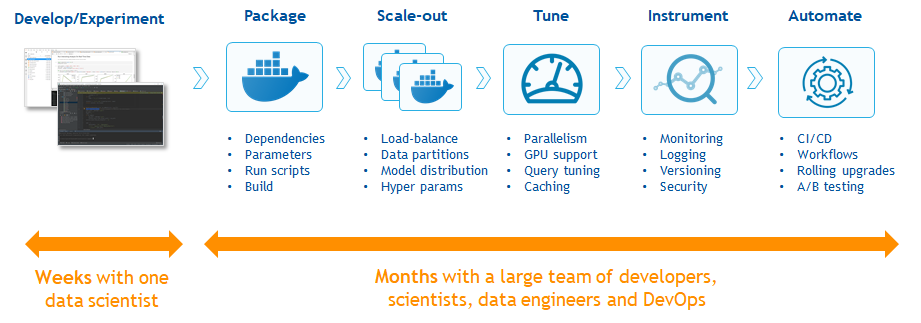
Are you familiar with MLOps? It’s the newest trend in the tech world that’s been gaining a lot of attention lately. MLOps is a combination of machine learning and operations, which focuses on the deployment, management, and monitoring of machine learning models in production. However, with new technologies come new challenges. In this article, we’ll delve deeper into the challenges faced by MLOps practitioners and how they can overcome them.
Introduction to MLOps
Before we dive into the challenges, let’s have a brief introduction to MLOps. Machine learning is a subset of artificial intelligence that enables machines to learn from data without being explicitly programmed. MLOps is the practice of managing machine learning models in production, including the process of building, testing, deploying, and monitoring machine learning models.
MLOps is a relatively new field, and it’s still evolving. In the past, machine learning models were built and tested in research environments. But with the rise of big data and cloud computing, MLOps has become necessary to ensure the successful deployment of machine learning models in production.
The Challenges of MLOps
- Data Management
Data is the backbone of machine learning. The quality of the data used to train machine learning models determines the accuracy and reliability of the predictions. However, managing data is one of the biggest challenges faced by MLOps practitioners. Data is often scattered across multiple sources, and it’s challenging to ensure data quality and consistency.
To overcome this challenge, MLOps practitioners need to ensure that data is collected and stored in a centralized location. They also need to implement data quality checks and data validation processes to ensure the accuracy and consistency of the data.
- Model Management
Managing machine learning models is another significant challenge faced by MLOps practitioners. Machine learning models are complex and require frequent updates and maintenance. Deploying a machine learning model in production is not a one-time process. It requires continuous monitoring and updating to ensure optimal performance.
To overcome this challenge, MLOps practitioners need to implement a robust model management process. This process should include versioning, testing, and validation of the models before deployment. They should also set up a monitoring system to track the performance of the models and identify any issues that may arise.
- Infrastructure Management
MLOps requires a lot of computing power and storage. Managing the infrastructure required to deploy and run machine learning models is a significant challenge. MLOps practitioners need to ensure that the infrastructure is scalable, reliable, and secure.
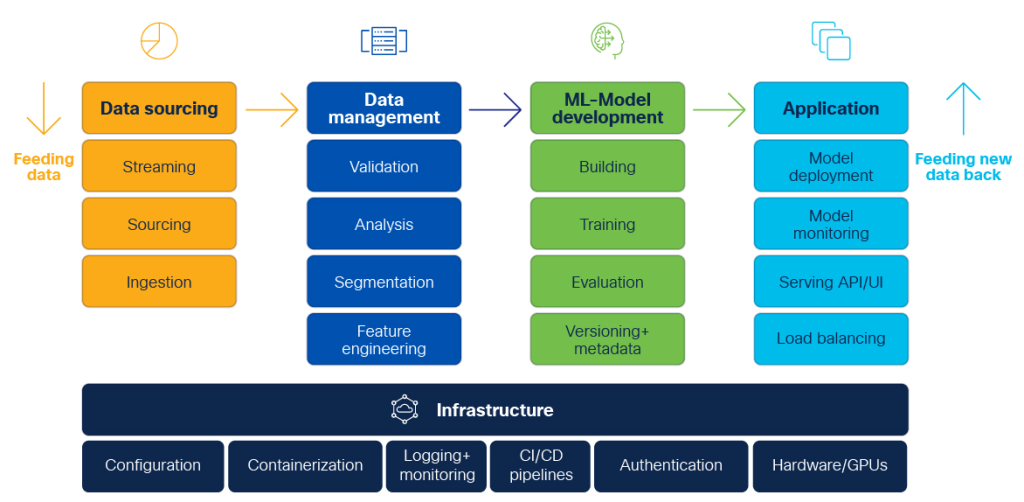
To overcome this challenge, MLOps practitioners need to implement a robust infrastructure management process. This process should include setting up a scalable and reliable infrastructure that can handle the workload of machine learning models. They should also ensure that the infrastructure is secure and meets the compliance requirements.
- Collaboration and Communication
MLOps involves multiple teams and individuals who work together to build and deploy machine learning models. Collaboration and communication are crucial to the success of MLOps. However, collaboration and communication are often challenging due to the different skill sets and backgrounds of the team members.
To overcome this challenge, MLOps practitioners need to implement a robust collaboration and communication process. This process should include regular meetings, clear communication channels, and documentation. They should also ensure that the team members have the necessary skills and knowledge to work effectively together.
Conclusion
MLOps is a rapidly growing field that offers many opportunities for businesses to leverage machine learning for their operations. However, MLOps practitioners face many challenges that require careful consideration and planning. By implementing robust processes for data management, model management, infrastructure management, and collaboration and communication, MLOps practitioners can overcome these challenges and ensure the successful deployment of machine learning models in production.
