Are you tired of manually deploying your machine learning models? Do you want to streamline your pipeline and increase efficiency? If so, then you need to know about MLOps.
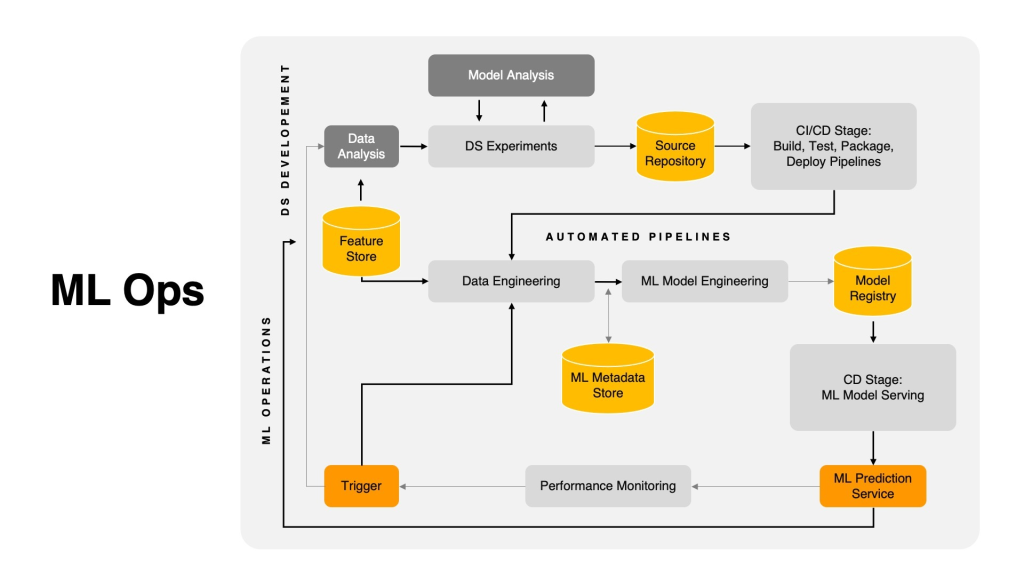
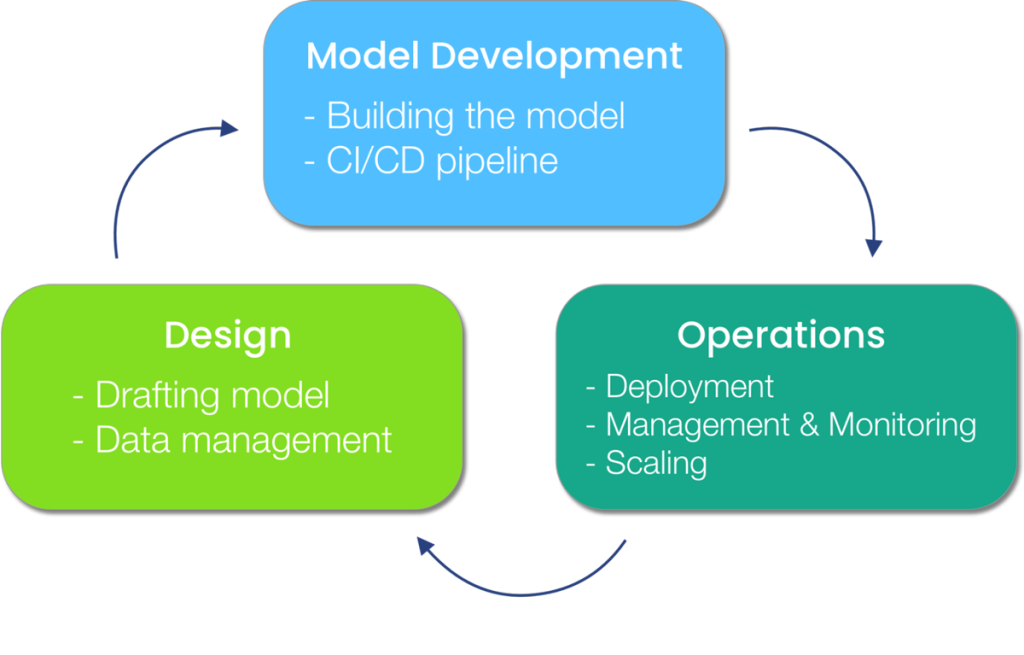
MLOps, or Machine Learning Operations, is a practice that combines DevOps, data engineering, and machine learning to create a streamlined process for deploying and managing machine learning models. In this article, we will explore the key features of MLOps and how they can benefit your organization.
The Importance of MLOps
Before we dive into the features of MLOps, let’s understand why it’s important in the first place. Machine learning models are becoming increasingly complex, and deploying them manually can be time-consuming and error-prone. MLOps allows teams to automate the deployment process, reducing the risk of errors and saving time.
MLOps also helps teams collaborate more effectively, as it provides a standardized process for deploying and managing models. This means that data scientists, developers, and operations teams can work together seamlessly, resulting in faster deployment times and better outcomes.
MLOps Features
Now that we understand the importance of MLOps, let’s explore some of its key features.
1. Version Control
Version control is a critical feature of MLOps. It allows teams to track changes to their machine learning models over time, making it easier to collaborate and troubleshoot issues. Version control also helps teams maintain a record of their work, which can be useful for compliance purposes.
2. Pipeline Automation
MLOps includes pipeline automation, which allows teams to automate the process of training, testing, and deploying machine learning models. This means that teams can deploy models faster and with more accuracy, reducing the risk of errors.
3. Model Monitoring
Model monitoring is another important feature of MLOps. It allows teams to monitor the performance of their machine learning models in real-time, making it easier to identify and troubleshoot issues. Model monitoring can also help teams identify opportunities for optimization and improvement.
4. Continuous Integration and Deployment
MLOps includes continuous integration and deployment, which allows teams to deploy changes to their machine learning models quickly and efficiently. This means that teams can iterate on their models faster, resulting in better outcomes.
5. Collaboration Tools
MLOps includes collaboration tools that allow teams to work together more effectively. These tools include code repositories, project management software, and communication tools. By providing a centralized platform for collaboration, MLOps makes it easier for teams to work together and achieve their goals.
Benefits of MLOps
Now that we understand the key features of MLOps, let’s explore some of its benefits.
1. Increased Efficiency
MLOps can help teams deploy machine learning models faster and with more accuracy, reducing the risk of errors and saving time. This means that teams can focus on other tasks, such as optimizing models and improving outcomes.
2. Improved Collaboration
MLOps provides a standardized process for deploying and managing machine learning models, making it easier for teams to collaborate. By working together more effectively, teams can achieve better outcomes and deliver more value to their organization.
3. Better Outcomes
By automating the deployment process and providing real-time monitoring, MLOps can help teams improve the performance of their machine learning models. This means that organizations can achieve better outcomes and deliver more value to their customers.
Conclusion
MLOps is a critical practice for organizations that want to streamline their machine learning pipeline and achieve better outcomes. By automating the deployment process, providing real-time monitoring, and improving collaboration, MLOps can help organizations achieve their goals faster and more effectively. If you’re not already using MLOps, now is the time to start.
