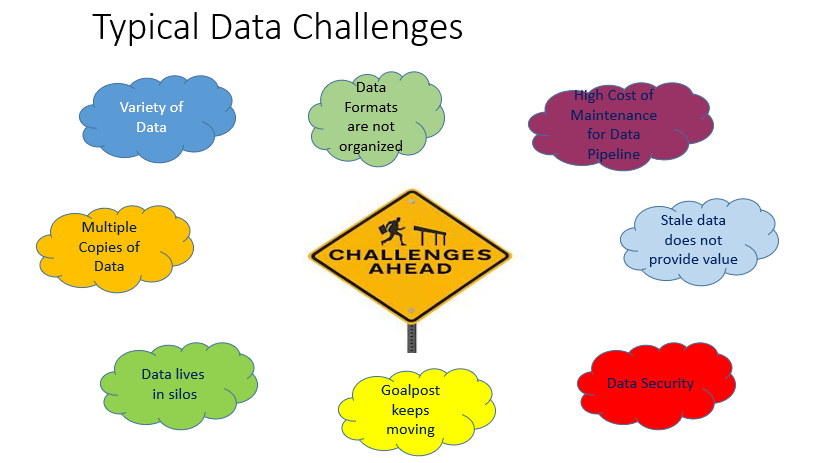
DataOps is an emerging methodology that combines data management, software development, and operations to streamline the delivery of data-driven applications. While DataOps promises to revolutionize the way organizations handle data, the implementation process can be quite challenging. In this article, we will discuss the top challenges that organizations face when implementing DataOps and how to overcome them.
Challenge #1: Lack of DataOps Expertise
One of the biggest challenges that organizations face when implementing DataOps is the lack of expertise. DataOps is a relatively new concept, and many organizations don’t have the necessary skills in-house to implement it effectively. This can lead to delays in the implementation process and can even cause the project to fail.
To overcome this challenge, organizations should invest in training and hiring experts in DataOps. They can also partner with consulting firms that specialize in DataOps to get the necessary expertise.
Challenge #2: Integration with Legacy Systems
Another challenge that organizations face when implementing DataOps is the integration with legacy systems. Legacy systems are often complex and difficult to integrate with new technologies. This can cause delays in the implementation process and can even lead to data loss.
To overcome this challenge, organizations should carefully assess their legacy systems and identify the areas that need to be integrated with DataOps. They should also develop a plan for migrating data from legacy systems to the new DataOps platform.
Challenge #3: Data Security and Compliance
Data security and compliance are critical concerns for organizations that handle sensitive data. DataOps implementation can introduce new security risks and compliance challenges, which can be difficult to manage.
To overcome this challenge, organizations should implement strict security protocols and compliance measures. They should also work with their legal and compliance teams to ensure that the DataOps implementation is aligned with regulatory requirements.
Challenge #4: Resistance to Change
Resistance to change is a common challenge that organizations face when implementing new technologies. DataOps implementation can require significant changes in the way organizations handle data, which can be met with resistance from employees.
To overcome this challenge, organizations should communicate the benefits of DataOps to their employees and involve them in the implementation process. They should also provide training and support to help employees adapt to the new processes.
Challenge #5: Data Quality
Data quality is a critical factor in the success of DataOps implementation. Poor data quality can lead to inaccurate insights and decisions, which can have serious consequences for organizations.
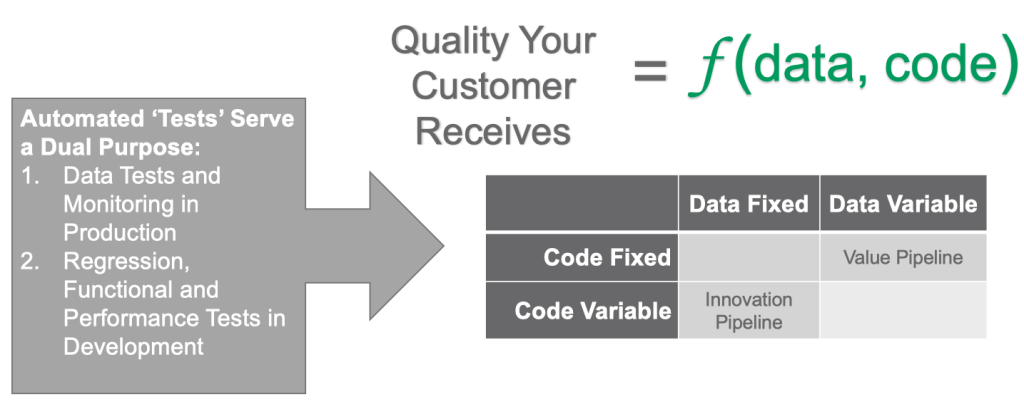
To overcome this challenge, organizations should prioritize data quality and implement measures to ensure that data is clean, accurate, and consistent. They should also invest in data governance tools and processes to maintain data quality over time.
Challenge #6: Scalability
Scalability is another challenge that organizations face when implementing DataOps. As the volume of data grows, the DataOps platform must be able to handle the increased workload without compromising performance.
To overcome this challenge, organizations should design their DataOps platform with scalability in mind. They should also regularly monitor and optimize the platform to ensure that it can handle the increasing workload.
Challenge #7: Cost
Cost is a significant challenge that organizations face when implementing DataOps. DataOps implementation can require significant investments in technology, training, and personnel, which can be difficult to justify.
To overcome this challenge, organizations should carefully assess the costs and benefits of DataOps implementation. They should also consider alternative solutions, such as cloud-based DataOps platforms, which can be more affordable and scalable.
In conclusion, DataOps implementation can be challenging, but with the right approach, organizations can overcome these challenges and reap the benefits of this emerging methodology. By investing in expertise, integrating with legacy systems, prioritizing security and compliance, addressing resistance to change, ensuring data quality, designing for scalability, and carefully assessing costs, organizations can successfully implement DataOps and transform the way they handle data.