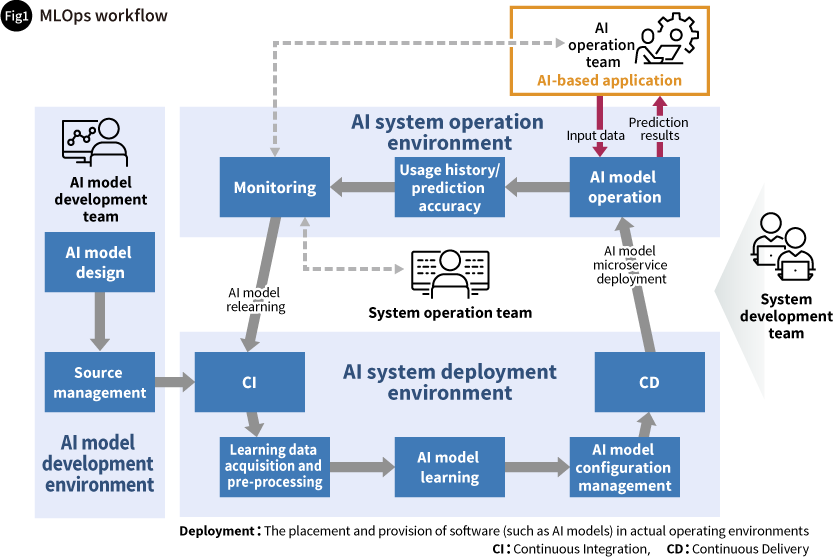
Have you ever heard of MLOps? It stands for Machine Learning Operations, and it is a term used to describe the process of developing, deploying, and managing machine learning models. An MLOps platform is a software tool that helps teams of data scientists, engineers, and developers collaborate and automate the machine learning lifecycle.
What is the Machine Learning Lifecycle?
Before we dive into MLOps platforms, let’s first understand the machine learning lifecycle. It consists of several stages, including:
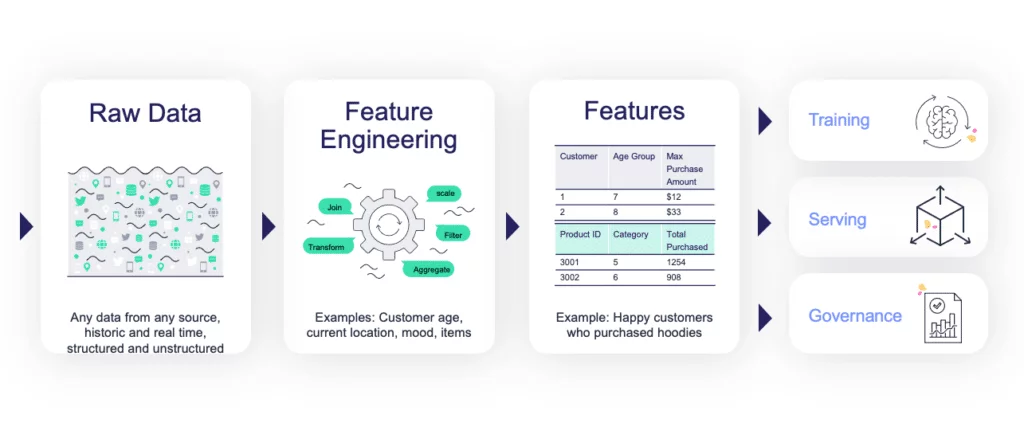
- Data Collection and Preparation: In this stage, data scientists collect and prepare data for analysis. They clean and transform the data to make it ready for modeling.
- Model Training and Evaluation: In this stage, data scientists build and train machine learning models using the prepared data. They evaluate the models to ensure they are accurate and meet the requirements.
- Model Deployment: In this stage, data scientists deploy the trained models into production environments, where they can be used to make predictions.
- Model Monitoring and Maintenance: In this stage, data scientists monitor the performance of the deployed models and maintain them to ensure they continue to work correctly.
Why Use an MLOps Platform?
The machine learning lifecycle can be complex and time-consuming, especially when managing multiple models simultaneously. MLOps platforms help teams to streamline their workflows and automate many of the processes involved in the machine learning lifecycle. Here are some reasons why you should consider using an MLOps platform:
- Collaboration: MLOps platforms provide a centralized workspace where data scientists, engineers, and developers can collaborate and share their work.
- Automation: MLOps platforms automate many of the repetitive tasks involved in the machine learning lifecycle, such as data preparation, model training, and deployment.
- Scalability: MLOps platforms can handle large-scale machine learning projects, making it easier to manage multiple models simultaneously.
- Monitoring and Maintenance: MLOps platforms provide tools for monitoring the performance of deployed models and alerts when issues arise.
Features of an MLOps Platform
MLOps platforms come with a variety of features that help teams to manage the machine learning lifecycle effectively. Here are some common features you can expect to find in an MLOps platform:
Version Control
MLOps platforms provide version control tools that allow teams to keep track of changes made to code, data, and models over time. This feature helps teams to collaborate and ensure that everyone is working on the latest version of the project.
Automated Deployment
MLOps platforms automate the deployment of machine learning models into production environments, which speeds up the process and reduces the risk of errors.
Model Serving
MLOps platforms provide tools for serving machine learning models over the web, allowing developers to integrate the models into their applications easily.
Monitoring and Alerting
MLOps platforms monitor the performance of deployed models and alert teams when issues arise, such as a decrease in accuracy or an increase in errors.
Choosing an MLOps Platform
Choosing an MLOps platform can be challenging, as there are many options available. Here are some factors to consider when selecting an MLOps platform:
- Ease of Use: Look for an MLOps platform that is easy to use and has a user-friendly interface.
- Integration: Look for an MLOps platform that integrates with your existing tools and workflows.
- Scalability: Look for an MLOps platform that can handle large-scale machine learning projects.
- Support: Look for an MLOps platform that provides excellent customer support and resources.
Conclusion
An MLOps platform is a valuable tool for managing machine learning projects effectively. It streamlines workflows, automates repetitive tasks, and provides tools for collaboration, monitoring, and maintenance. When selecting an MLOps platform, consider factors such as ease of use, integration, scalability, and support. With the right MLOps platform, your team can manage machine learning projects with ease and efficiency.
