What is chmod command in Linux ?

What is chmod ?

In Unix and Unix-like operating systems, chmod is the command and system call used to change the access permissions and the special mode flags of file system objects. Collectively these were originally called its modes, and the name chmod was chosen as an abbreviation of change mode.
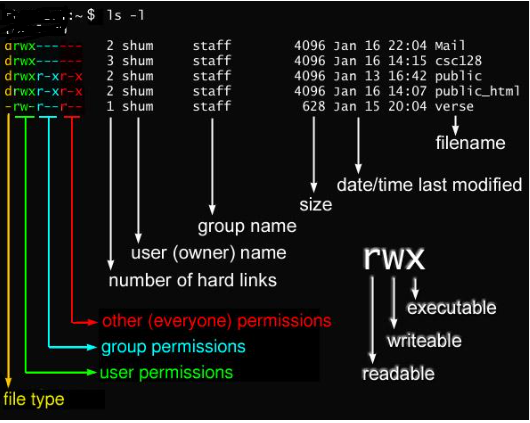
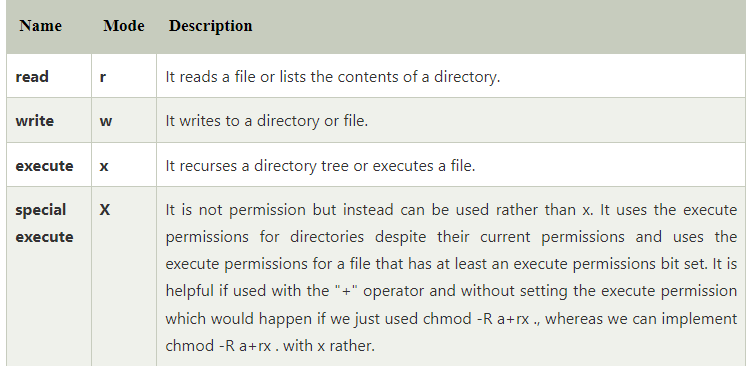
The file permissions in Linux are the following three types:

  • read (r)
  • write (w)
  • execute (x)

Syntax :

chmod <options> <permissions> <file name>  


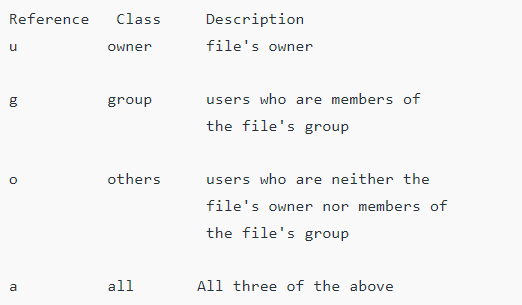
The references are utilized to recognize the clients to whom the authorizations apply for example they are rundown of letters that determines whom to give consents.
For more information visit our website –

Linux Tutorials: Chmod Commands

Related Posts

Elevating DevSecOps and SRE Efficiency with a Software Delivery Governance Platform

Introduction Enterprise software engineering has reached a tipping point where systemic complexity threatens structural delivery stability. Modern engineering organizations routinely support highly fragmented ecosystems populated by hundreds…

Read More

Best Hospitals in India for International Patients and Affordable Surgery Costs

Introduction Global healthcare costs are rising rapidly, forcing many families to look for alternative solutions when facing serious medical diagnoses. In countries like the United States, the…

Read More

A Beginner Guide to Data Analytics Automation using Enterprise DataOps Workflows

Organizations rely heavily on fast, accurate, and reliable business intelligence to make critical commercial decisions. Whether it is predicting customer churn or managing real-time inventory levels, business…

Read More

Integrating AI Tools in DataOps Pipelines: A Comprehensive Guide

Introduction Modern organizations deal with a massive influx of data from applications, IoT devices, and cloud services. Managing these data volumes requires speed, accuracy, and agility. Traditional…

Read More

Modern Cloud DataOps Platforms for Reliable Data Pipelines

Introduction Modern organizations depend heavily on data. Every department, from finance and sales to healthcare, manufacturing, marketing, and customer support, needs reliable data to make better decisions….

Read More

Advanced DataOps Monitoring Tools for Enterprises: A Comprehensive Implementation Guide

Introduction Enterprise data environments are becoming more complex as organizations depend on cloud platforms, data lakes, data warehouses, real-time pipelines, analytics tools, and automated workflows. When one…

Read More