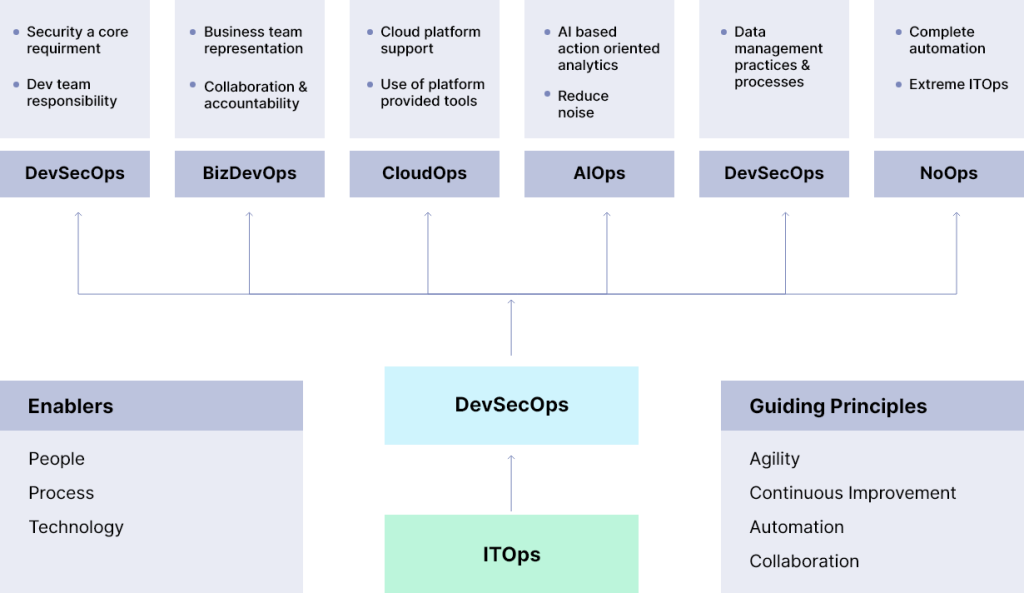
Have you ever heard of Dataops or NoOps? If you’re in the tech industry, chances are you’ve come across these terms before. But what do they really mean? And more importantly, what’s the difference between the two?
Let’s Start With The Basics
To put it simply, Dataops and NoOps are both approaches to managing and deploying software applications. They differ in the level of involvement required from the operations team.
NoOps: The Hands-Off Approach
NoOps stands for “No Operations.” This approach involves automating all aspects of the software development lifecycle so that operations tasks are completely eliminated. In a NoOps environment, developers are responsible for the entire process, from writing code to deploying and monitoring the application.
This approach is based on the idea that with the right tools and automation, developers can handle operations tasks themselves, without the need for a dedicated operations team.
Dataops: The Collaborative Approach
Dataops, on the other hand, is a collaborative approach that involves both developers and operations teams. The goal of Dataops is to streamline the entire software development process, from data integration to deployment and monitoring.
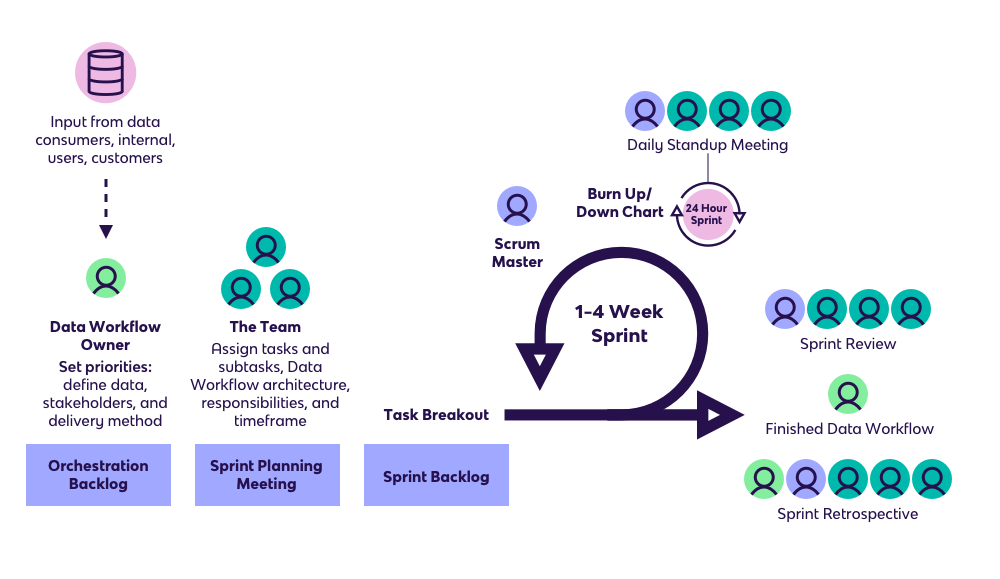
In a Dataops environment, developers and operations teams work together to build, test, and deploy applications. Dataops focuses on automating processes and creating a culture of collaboration and communication between different teams.
So What’s The Difference?
The main difference between Dataops and NoOps lies in the level of involvement required from the operations team. In a NoOps environment, the operations team is completely eliminated, while in a Dataops environment, the operations team still plays an important role in the software development process.
Another key difference is the level of automation involved. NoOps relies heavily on automation, while Dataops involves some level of automation but also emphasizes collaboration and communication between teams.
Which Approach Is Right For You?
So, which approach is right for your organization? The answer depends on a variety of factors, including the size of your team, the complexity of your applications, and your overall goals.
NoOps may be a good fit for smaller organizations or teams with limited resources, as it eliminates the need for a dedicated operations team. However, larger organizations or teams with more complex applications may benefit from the collaborative approach of Dataops.
Ultimately, the key is to find the approach that works best for your team and your goals. Whether you choose NoOps, Dataops, or a combination of the two, the most important thing is to prioritize communication and collaboration between your teams to ensure a successful software development process.
Wrapping It Up
In conclusion, while Dataops and NoOps may sound similar, they are actually quite different approaches to managing and deploying software applications. NoOps involves eliminating the operations team and relying heavily on automation, while Dataops emphasizes collaboration and communication between developers and operations teams.
The right approach for your organization depends on a variety of factors, but the most important thing is to prioritize communication and collaboration between your teams to ensure a successful software development process.
Thanks for reading, and happy coding!
