Have you ever heard of the MLOps platform? If not, don’t worry, you’re not alone. But in the world of machine learning and artificial intelligence, MLOps is becoming an increasingly important aspect of developing and deploying models.
What is MLOps?
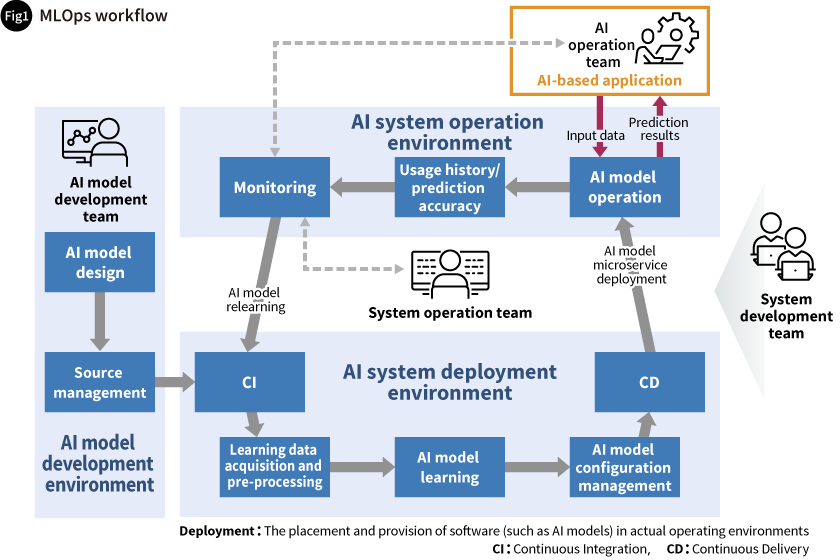
MLOps, short for Machine Learning Operations, is a set of best practices and tools used to streamline the development and deployment of machine learning models. It combines the principles of DevOps with the unique challenges of machine learning to create a comprehensive framework for managing the entire machine learning lifecycle.
Why is MLOps important?
Machine learning is a rapidly evolving field, and the models used to power AI applications are becoming increasingly complex. As a result, managing the development and deployment of these models has become a daunting task. This is where MLOps comes in.
By providing a standardized framework for managing the machine learning lifecycle, MLOps helps organizations reduce the time and resources required to develop and deploy machine learning models. This, in turn, enables businesses to take advantage of the benefits of AI and machine learning faster and more efficiently.
How does MLOps work?
MLOps is a complex framework that involves a variety of tools and best practices. At its core, however, MLOps is all about collaboration. It brings together data scientists, developers, and operations teams to create a seamless workflow for developing, testing, and deploying machine learning models.
Some key components of MLOps include:
- Version control: Like any software development project, version control is critical for managing machine learning models. MLOps platforms use tools like Git to manage code and model versions.
- Automated testing: Testing machine learning models is a complex process that requires a lot of data and computing power. MLOps platforms use automated testing tools to streamline this process and ensure that models are accurate and reliable.
- Continuous integration and delivery: MLOps platforms use continuous integration and delivery (CI/CD) pipelines to automate the process of building, testing, and deploying machine learning models.
- Model monitoring: Once a machine learning model is deployed, it’s important to monitor its performance to ensure that it’s still accurate and effective. MLOps platforms use tools like Prometheus and Grafana to monitor models in real-time.
Benefits of MLOps
MLOps offers a variety of benefits for organizations that are looking to develop and deploy machine learning models. Some key benefits include:
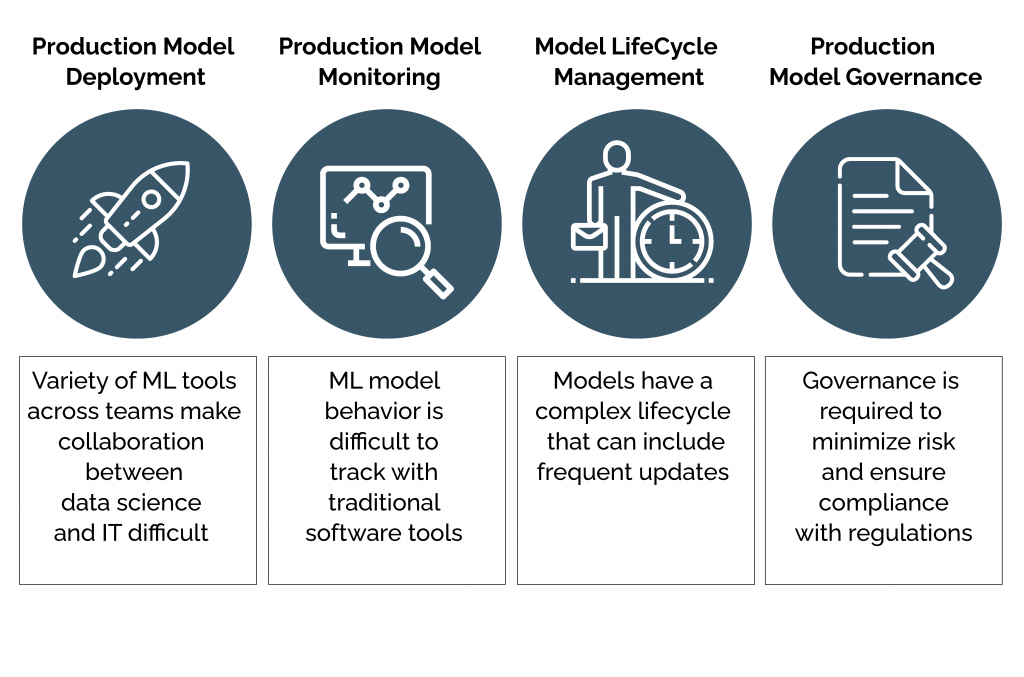
- Faster time to market: MLOps streamlines the machine learning lifecycle, enabling organizations to develop and deploy models faster and more efficiently.
- Improved accuracy: By using automated testing and model monitoring, MLOps platforms can help ensure that machine learning models are accurate and reliable.
- Reduced risk: MLOps platforms provide a standardized framework for managing machine learning models, reducing the risk of errors and inconsistencies.
Conclusion
In today’s data-driven world, machine learning and artificial intelligence are becoming increasingly important. But developing and deploying machine learning models is a complex and time-consuming process. That’s where MLOps comes in.
By providing a standardized framework for managing the machine learning lifecycle, MLOps enables organizations to develop and deploy models faster and more efficiently. This, in turn, can help businesses take advantage of the benefits of AI and machine learning more quickly and effectively.
