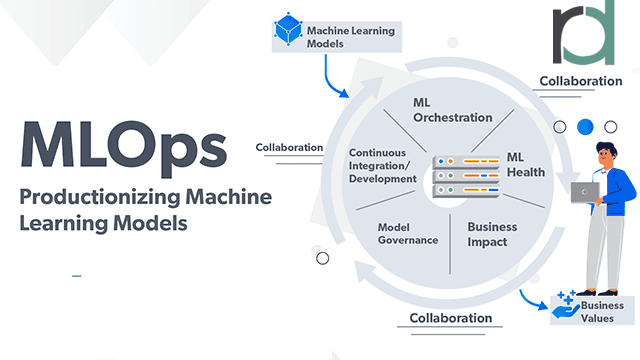
Are you an organization trying to keep up with the latest trends in technology? If so, you may have heard of MLOps, a new buzzword in the tech industry. But what is MLOps, and why do organizations need it? In this article, we’ll explore the importance of MLOps and how it can benefit your organization.
What is MLOps?
MLOps, or Machine Learning Operations, is a set of best practices and tools that enable organizations to develop, deploy, and maintain machine learning models at scale. MLOps aims to streamline the machine learning process, from data preparation to model training and deployment, by integrating development, deployment, and maintenance processes.
The Importance of MLOps
Machine learning is becoming increasingly popular in various industries, from healthcare to banking. However, developing and deploying machine learning models can be challenging, time-consuming, and expensive. MLOps addresses these challenges by providing a set of best practices and tools for managing machine learning models.
Here are some reasons why organizations need MLOps:
Better Collaboration
MLOps promotes collaboration between data scientists, developers, and IT operations teams. By integrating the machine learning process with development and deployment processes, teams can work together seamlessly, resulting in better communication, faster development, and more efficient deployment.
Faster Time-to-Market
MLOps can help organizations reduce the time it takes to develop and deploy machine learning models. By automating repetitive tasks, such as data preparation and model training, teams can focus on more critical tasks, such as model architecture and analysis. This can result in faster time-to-market, allowing organizations to stay ahead of the competition.
Improved Model Performance
MLOps enables organizations to monitor and improve the performance of machine learning models continuously. By collecting and analyzing data, teams can identify patterns and trends in model performance, enabling them to make informed decisions about model optimization and maintenance.
Reduced Costs
Developing and deploying machine learning models can be expensive, particularly if done manually. MLOps can help organizations reduce costs by automating repetitive tasks, reducing the risk of errors, and optimizing model performance.
Enhanced Security
MLOps can help organizations enhance the security of their machine learning models. By integrating security measures, such as data encryption and access control, into the machine learning process, teams can ensure that sensitive data is protected, reducing the risk of data breaches and cyber attacks.
How to Implement MLOps
Implementing MLOps requires a structured approach, involving the following steps:
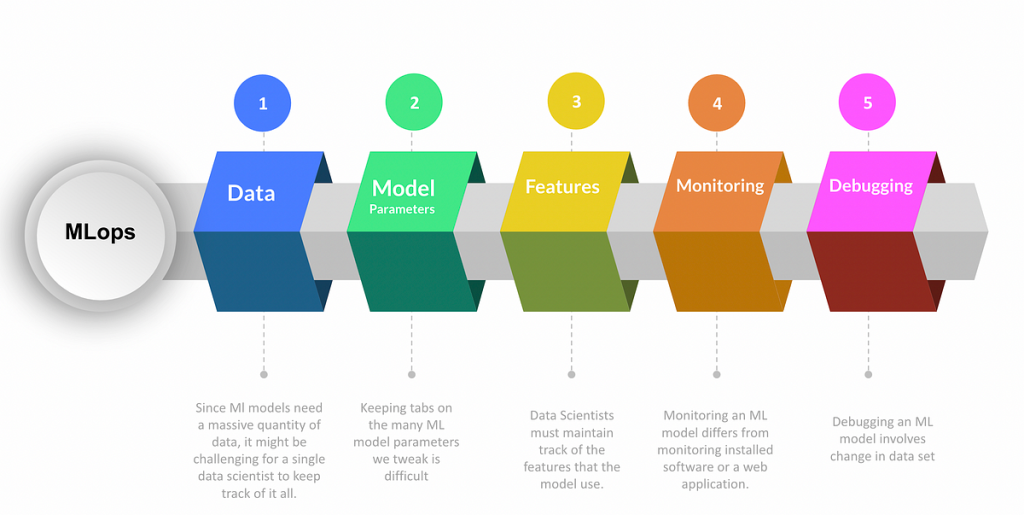
Step 1: Define Objectives
The first step in implementing MLOps is to define your objectives. What are your goals for machine learning? What are your key performance indicators (KPIs)? How will you measure success?
Step 2: Build a Team
Building a team is critical for successful MLOps implementation. You’ll need a team of data scientists, developers, and IT operations professionals who can work together to develop and deploy machine learning models.
Step 3: Choose the Right Tools
Choosing the right tools is essential for MLOps success. You’ll need tools for data preparation, model training, deployment, and monitoring. Some popular MLOps tools include TensorFlow, PyTorch, and Kubeflow.
Step 4: Develop and Deploy Models
Developing and deploying machine learning models is the core of MLOps. You’ll need to train your models, test them, and deploy them in a production environment. This step requires collaboration between data scientists, developers, and IT operations professionals.
Step 5: Monitor and Optimize Models
Monitoring and optimizing machine learning models is critical for their success. By collecting and analyzing data, you can identify patterns and trends in model performance, enabling you to make informed decisions about model optimization and maintenance.
Conclusion
MLOps is a critical component of modern machine learning development and deployment. By streamlining the machine learning process, MLOps enables organizations to develop and deploy machine learning models faster, more efficiently, and with improved performance. Implementing MLOps requires a structured approach, involving defining objectives, building a team, choosing the right tools, developing and deploying models, and monitoring and optimizing models. By following these steps, organizations can reap the benefits of MLOps and stay ahead of the competition.
