Are you tired of manually processing large amounts of data? Do you want to streamline your data management process? Look no further than DataOps automation!
What is DataOps?
DataOps is a methodology that combines agile practices, DevOps, and data management principles to streamline the data management process. It emphasizes collaboration, automation, and continuous improvement.
Why Use DataOps Automation?
DataOps automation has many benefits, including:
- Increased efficiency: Automation reduces the time and effort required to process data.
- Improved accuracy: Automation eliminates human error and ensures consistent results.
- Greater scalability: Automation can handle large volumes of data more easily than manual processes.
How to Implement DataOps Automation
Implementing DataOps automation involves several key steps:
Step 1: Define the Problem
The first step in implementing DataOps automation is to define the problem you want to solve. Determine what data processes are taking up the most time and resources, and identify any bottlenecks or pain points.
Step 2: Design the Solution
Once you have identified the problem, it’s time to design the solution. Determine what tools and technologies you will need to automate the data process, and create a plan for how to implement the automation.
Step 3: Implement the Solution
With a plan in place, it’s time to implement the solution. This involves setting up the necessary tools and technologies, configuring them to work together, and testing the automation to ensure it works as intended.
Step 4: Monitor and Improve
Finally, once the automation is up and running, it’s important to monitor its performance and continuously improve it. This involves collecting data on the automation’s effectiveness, identifying areas for improvement, and making adjustments as necessary.
Examples of DataOps Automation
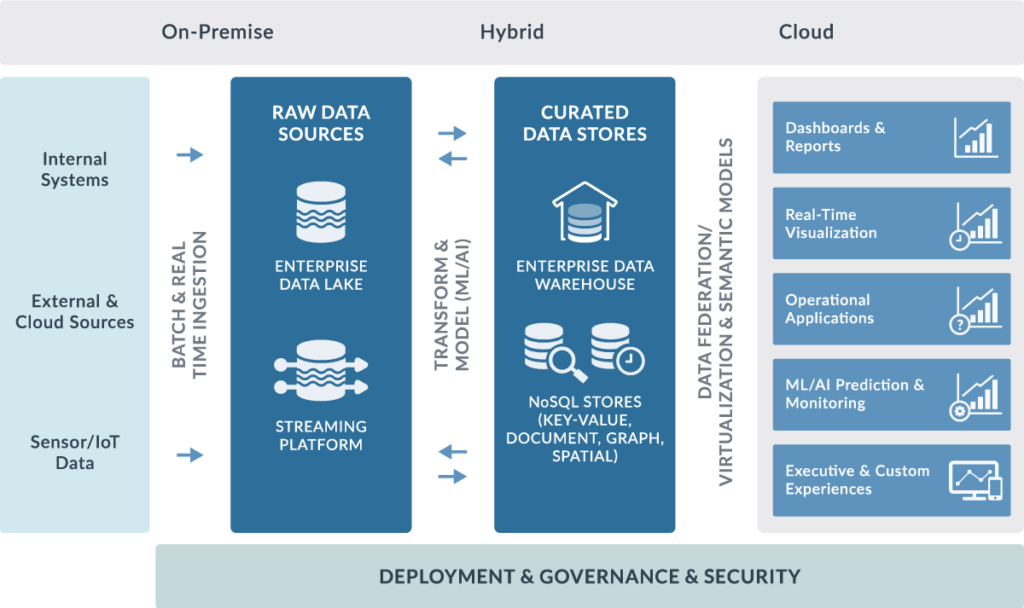
There are many examples of DataOps automation in action, including:
- Data integration: Automating the process of integrating data from multiple sources, such as databases, APIs, and flat files.
- Data quality: Automating the process of identifying and correcting data quality issues, such as missing or incorrect data.
- Data transformation: Automating the process of transforming data into a format that can be used by downstream applications, such as data warehouses or business intelligence tools.
Conclusion
DataOps automation is a powerful tool for streamlining the data management process. By following the steps outlined in this article, you can implement DataOps automation in your organization and reap the benefits of increased efficiency, improved accuracy, and greater scalability. So why wait? Start automating your data processes today!
