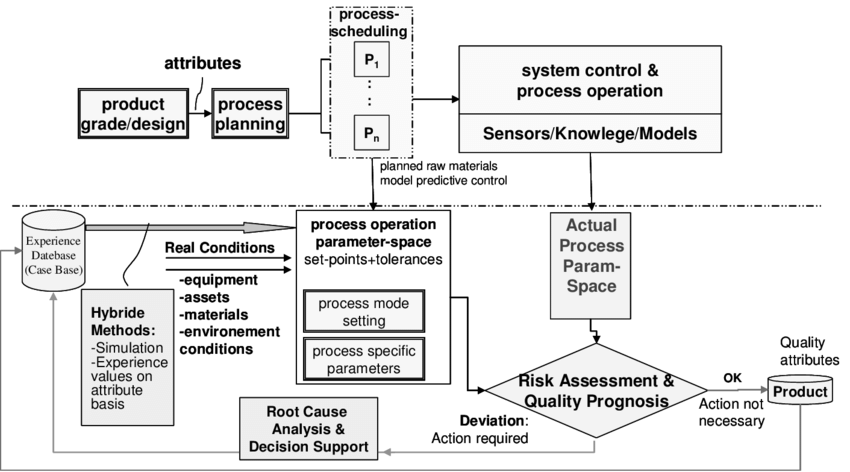
Have you ever faced a problem and couldn’t identify the root cause of it? It can be frustrating when you are unable to find the cause of the issue, especially if it’s causing serious damage to your business. In such situations, DataOps can be a game-changer for you.
In this article, we will discuss how to use DataOps for root cause analysis. We will cover everything you need to know about DataOps and how it can help you identify the root cause of your problems.
What is DataOps?
DataOps is a methodology that allows you to manage and analyze data in a more efficient and effective way. It is a combination of Data Management, DevOps, and Agile methodologies.
DataOps is designed to improve the quality and speed of data analytics. It helps organizations to automate their data pipelines, collaborate more effectively, and reduce the time it takes to deliver insights.
Why Use DataOps for Root Cause Analysis?
Root cause analysis is a process of identifying the underlying cause of a problem. It’s an essential process for any organization because it helps them to prevent the problem from happening again.
DataOps can be used for root cause analysis because it provides a structured approach to managing data. It helps you to identify patterns, trends, and anomalies that are causing the problem.
DataOps also helps you to collaborate more effectively with your team members. It allows you to share data, insights, and knowledge in a more efficient way.
How to Use DataOps for Root Cause Analysis?
Here are the steps you can follow to use DataOps for root cause analysis:
Step 1: Define the Problem
The first step in root cause analysis is to define the problem. You need to understand what the problem is and how it’s impacting your business.
Step 2: Collect Data
The next step is to collect data related to the problem. You need to gather all the relevant data that can help you identify the root cause of the problem.
Step 3: Analyze Data
Once you have collected the data, the next step is to analyze it. You need to use DataOps tools to analyze the data and identify patterns, trends, and anomalies.
Step 4: Identify Root Cause
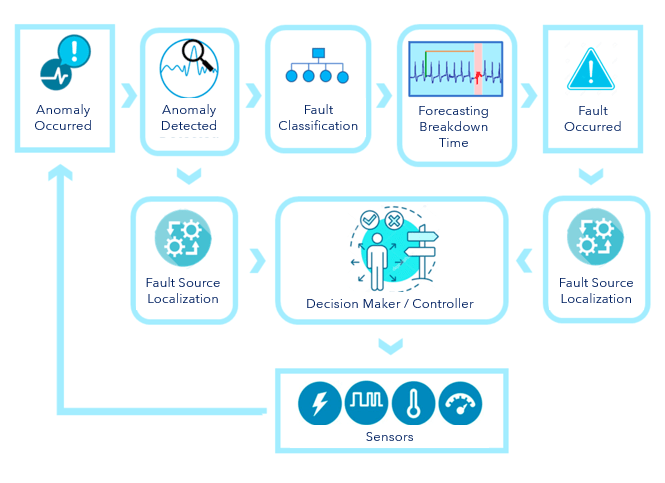
After analyzing the data, you should be able to identify the root cause of the problem. You need to ensure that you have identified the real cause and not just a symptom of the problem.
Step 5: Develop a Solution
The final step is to develop a solution to the problem. You need to create a plan to address the root cause of the problem and prevent it from happening again.
Conclusion
DataOps is a powerful methodology that can help you identify the root cause of your problems. It provides a structured approach to managing data, which helps you to analyze it more efficiently.
By following the steps we have outlined in this article, you can use DataOps for root cause analysis and prevent problems from happening again. So, start using DataOps today and take your business to the next level!
