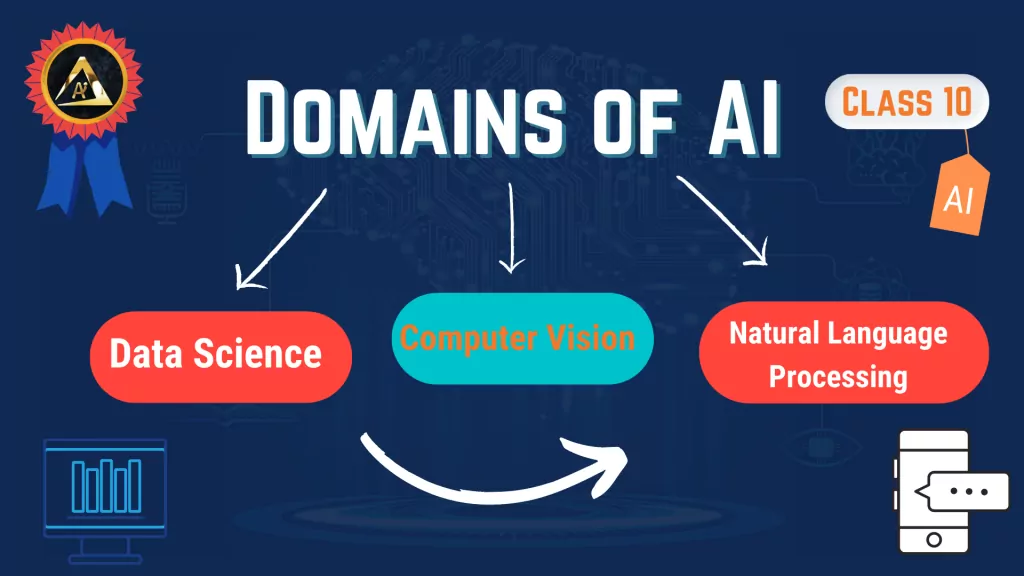
Have you ever wondered what makes artificial intelligence (AI) so powerful? The answer lies in the three key elements that form the backbone of AI technology. In this article, we’ll explore these three elements in detail, discussing how they work together to create the intelligent machines that are changing our world.
Element 1: Data
The first key element of AI is data. Without data, AI would not exist. Data is the raw material that AI algorithms use to learn, adapt, and make predictions. It’s the fuel that powers the AI engine, allowing it to process information and perform complex tasks.
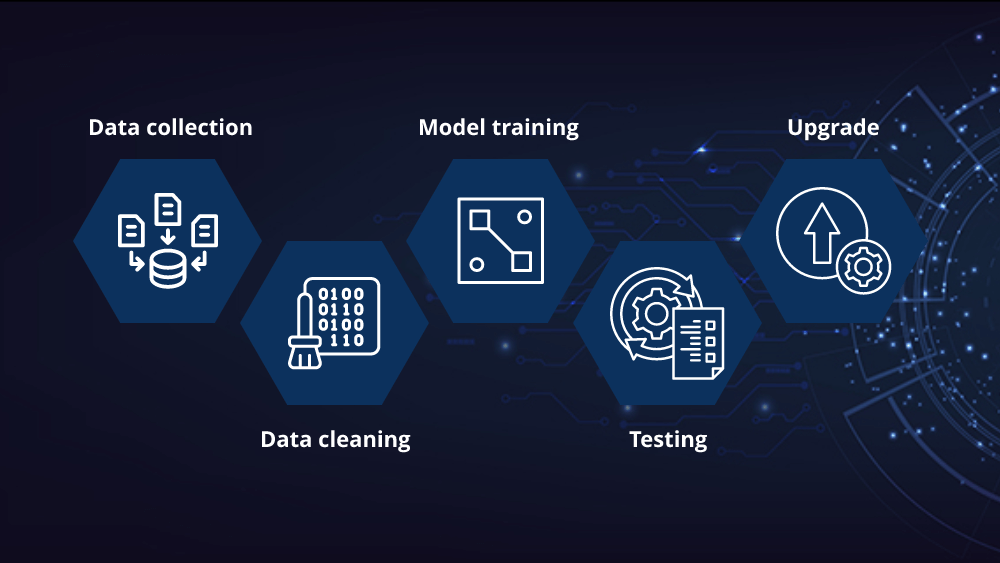
But not all data is created equal. To be effective, AI algorithms need high-quality, structured data that is relevant to the task at hand. This is where data scientists come in. They are responsible for collecting, cleaning, and preparing data sets that can be used to train AI systems.
Element 2: Algorithms
The second key element of AI is algorithms. These are the mathematical models that process data and make predictions based on that data. There are many different types of algorithms, each suited to a different task.
For example, a deep learning algorithm might be used to identify objects in an image, while a decision tree algorithm might be used to predict the likelihood of a customer making a purchase. The choice of algorithm depends on the nature of the task and the type of data being analyzed.
Element 3: Compute Power
The third and final key element of AI is compute power. This refers to the hardware and software infrastructure that is needed to run AI algorithms at scale. As AI becomes more complex and more data is processed, the demands on compute power increase.
This is why companies like Google and Amazon have invested heavily in building massive data centers and developing specialized hardware for AI. They know that the ability to process large amounts of data quickly and efficiently is essential for staying competitive in the AI space.
Conclusion
In conclusion, the three key elements of AI are data, algorithms, and compute power. These elements work together to create intelligent machines that can learn, adapt, and make predictions based on vast amounts of data. As AI technology continues to evolve, we can expect to see even more innovative applications of these key elements in a wide range of industries.
