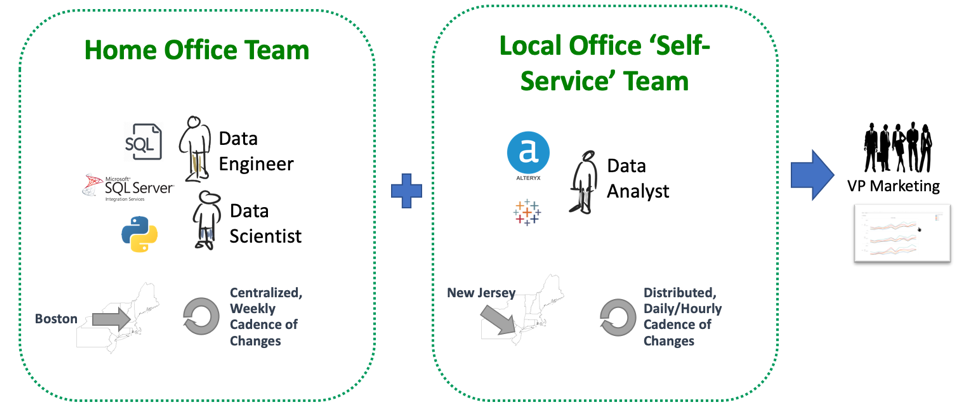
DataOps engineering is a relatively new and rapidly evolving field in the tech industry. It’s a hybrid of data engineering and operations, which involves managing data pipelines, automating data processes, and optimizing data flow. In simpler terms, DataOps engineers are responsible for ensuring the smooth flow of data within a company’s systems.
The job of a DataOps engineer is not just limited to managing data pipelines. They are also involved in developing and implementing data strategies, designing data architecture, and improving data quality. Their work is crucial in ensuring that a company’s data is accurate, reliable, and accessible to those who need it.
So, what does a typical day in the life of a DataOps engineer look like? Let’s dive in.
The Daily Grind of a DataOps Engineer
1. Checking Data Pipelines
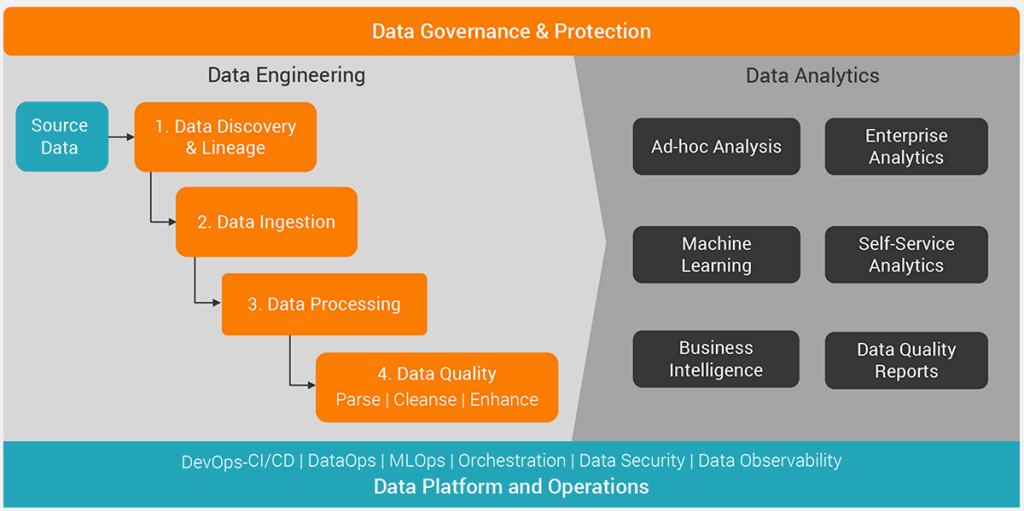
One of the most important tasks for a DataOps engineer is to ensure that the data pipelines are working efficiently. They need to monitor the data flow, detect any issues, and fix them as soon as possible. This involves working with data integration tools, such as Apache Kafka, Apache Nifi, and Amazon Kinesis, to name a few.
2. Collaborating with Data Scientists and Analysts
DataOps engineers work closely with Data Scientists and Analysts to ensure that the data is of high quality and can be used for analysis. They need to collaborate with them to understand their requirements and provide them with the necessary data. This requires excellent communication and collaboration skills.
3. Automating Data Processes
Automation is a crucial aspect of DataOps engineering. DataOps engineers need to automate data processes wherever possible to minimize human error and improve efficiency. They use tools such as Apache Airflow, Jenkins, and AWS Lambda to automate data pipelines, data transformations, and data quality checks.
4. Ensuring Data Security
Data security is a top priority for any company. DataOps engineers need to ensure that the data is secure and that there are no vulnerabilities in the system. They need to work with the security team to implement security measures and ensure that the data is encrypted and protected.
5. Testing and Debugging
DataOps engineers need to test and debug the data pipelines to ensure that they are working as expected. They need to identify and fix any issues that arise during testing and ensure that the data is accurate and reliable.
6. Keeping Up with the Latest Technologies
DataOps engineering is a rapidly evolving field, and new technologies emerge frequently. DataOps engineers need to keep up with the latest trends and technologies to ensure that they are using the best tools and techniques. This requires continuous learning and development.
Wrapping Up
In summary, the daily work of a DataOps engineer involves managing data pipelines, collaborating with Data Scientists and Analysts, automating data processes, ensuring data security, testing and debugging, and keeping up with the latest technologies. It’s a challenging job that requires excellent technical skills, communication skills, and a passion for data. If you’re interested in pursuing a career in DataOps engineering, be prepared to put in the work and stay up to date with the latest developments in the field.

Thank you for your brief explanation for dataops.
If you know of any other good resources for learning about DataOps, you could share them with the author and other readers.
If you’re interested in a career in DataOps, start by learning the skills required for the job. Familiarize yourself with tools and technologies such as data integration platforms, data lakes, and machine learning algorithms. With the right skills and attitude, you can become a successful DataOps engineer and contribute to the data revolution!
In summary, a DataOps engineer’s daily work revolves around orchestrating data processes, ensuring data quality, and promoting collaboration among data teams. Their efforts are essential for establishing a robust data ecosystem that drives informed decision-making and supports the organization’s data-driven objectives.
Reach me at – Contact@DevOpsSchool.com
DataOps engineers handle data pipelines, automation, and collaborate cross-functionally daily.
I think that DataOps is a very important field. It’s the future of data management. As more and more data is being generated, it’s becoming increasingly important to have a way to manage it effectively.
our blog is a fantastic resource for aspiring engineers like me! The real-life examples and the variety of tasks covered have given me a comprehensive understanding of what it takes to excel in this role. Thank you for the valuable knowledge!
Thanks for shedding light on the daily work of a DataOps engineer. Informative and insightful blog. Much appreciated!
Wow Outstanding visuals and interactive elements that enhance the learning experience.