Business Intelligence (BI) tools have emerged as indispensable assets for organizations seeking to extract actionable insights from their data. These tools empower businesses to visualize, analyze, and interpret data in ways that drive innovation and strategy.
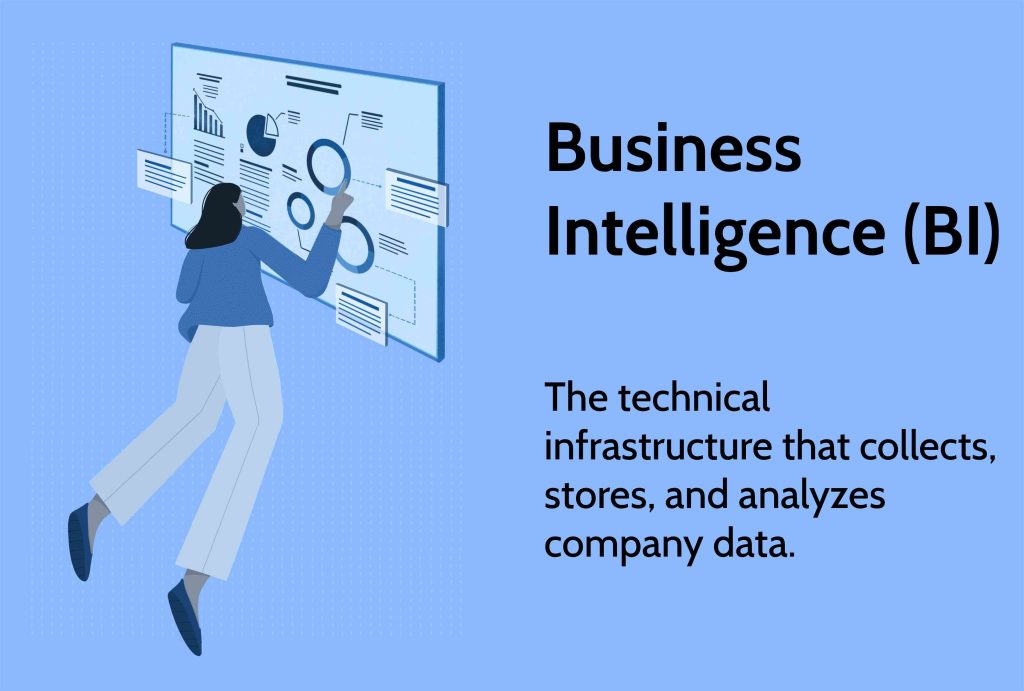
We delve into five prominent BI tools:-
- Tableau
- Microsoft Power BI
- QlikView
- SAP BusinessObjects
- MicroStrategy
1. Tableau: Crafting Visual Stories from Data
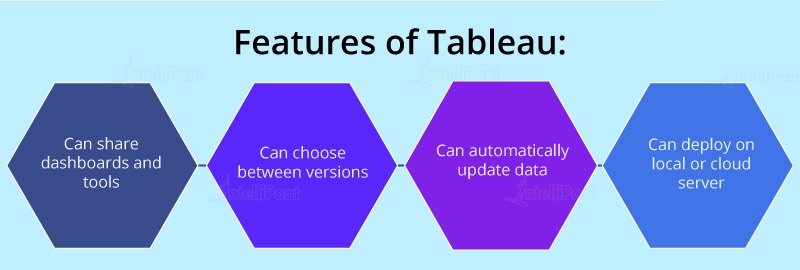
Tableau is a data visualization tool that allows users to connect, visualize, and share data in a visual and interactive way. It is known for its drag-and-drop interface and its ability to create stunning dashboards and reports. Tableau’s ability to connect to diverse data sources, perform complex calculations, and share findings with colleagues makes it a preferred choice for organizations aiming to make data-driven decisions a core practice.
2. Microsoft Power BI: Empowering Insights with Integration
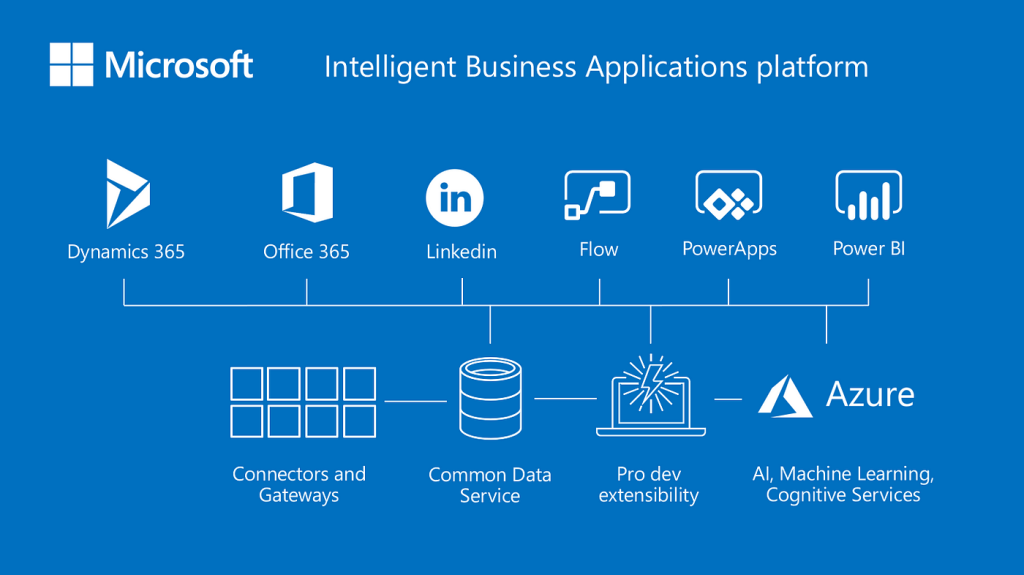
Microsoft Power BI is another popular BI tool that provides users with a comprehensive suite of analytics and reporting capabilities. It integrates seamlessly with other Microsoft products, such as Excel and Azure, making it easy to import and analyze data from multiple sources. Power BI also offers a user-friendly interface and advanced visualization options, making it suitable for both beginners and experienced users.
3. QlikView: Exploring Data Discovery with Associative Analysis
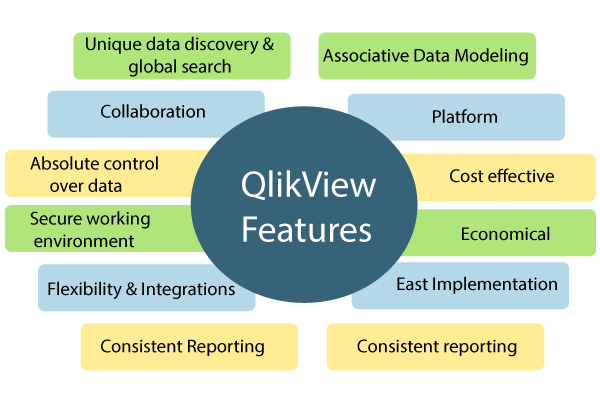
QlikView is known for its powerful associative data model, which allows users to explore data from multiple angles and uncover hidden insights. It offers a unique approach to data visualization, using a drag-and-drop interface and in-memory data processing. QlikView also provides a range of advanced analytics features, such as predictive analytics and data mining, making it a preferred choice for organizations looking for advanced BI capabilities.
4. SAP BusinessObjects: Orchestrating Enterprise Insights
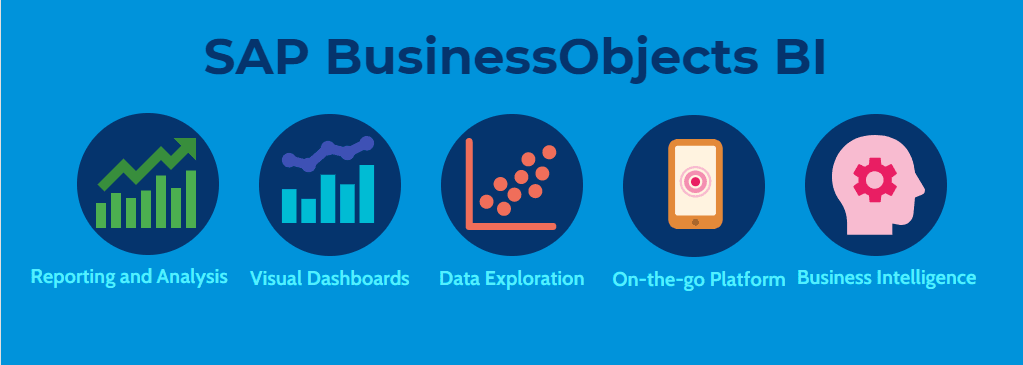
SAP BusinessObjects is a comprehensive BI platform that offers a wide range of tools and applications for reporting, analysis, and data visualization. It provides users with the ability to create interactive dashboards, ad hoc reports, and complex data queries. BusinessObjects also integrates with other SAP products, making it a popular choice for organizations using SAP as their primary ERP system.
5. MicroStrategy: Unifying Analytics and Mobility
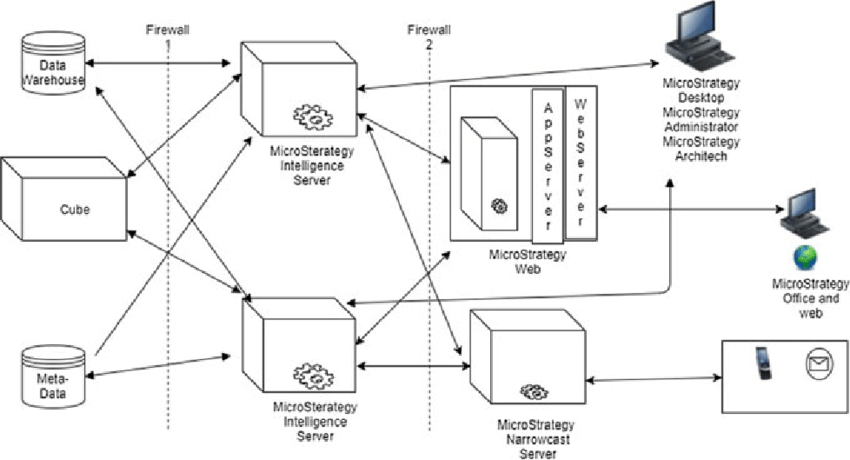
MicroStrategy is a leading BI tool that combines powerful analytics and reporting capabilities with mobile and cloud-based solutions. It offers a wide range of features, including data discovery, data visualization, and predictive analytics. MicroStrategy also has a strong focus on security and governance, making it a preferred choice for organizations that prioritize data privacy and compliance.
Conclusion
Choosing the right BI tool for your organization is crucial for unlocking the full potential of your data. Tableau, Microsoft Power BI, QlikView, SAP BusinessObjects, and MicroStrategy are all excellent options, each with its own strengths and capabilities. Whether you are a small business or a large enterprise, these BI tools can help you gain valuable insights and make data-driven decisions.
