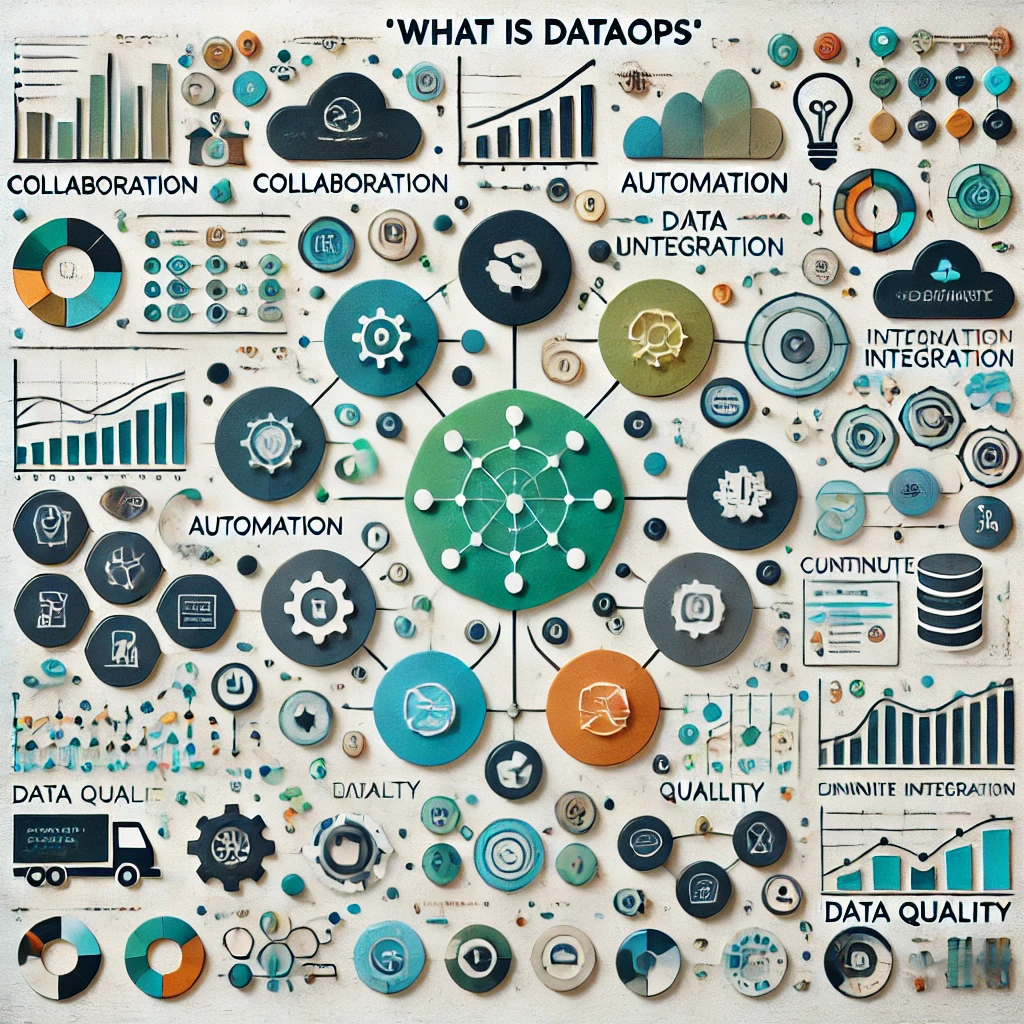
DataOps is a set of practices that aim to streamline and automate the process of moving data from source to consumption. It brings together people, processes, and technologies to improve data reliability and quality while increasing speed and agility in delivering data products, By applying principles from DevOps, Agile, and Lean methodologies, DataOps seeks to break down the traditional silos in data management and foster a more collaborative and efficient approach to handling data.
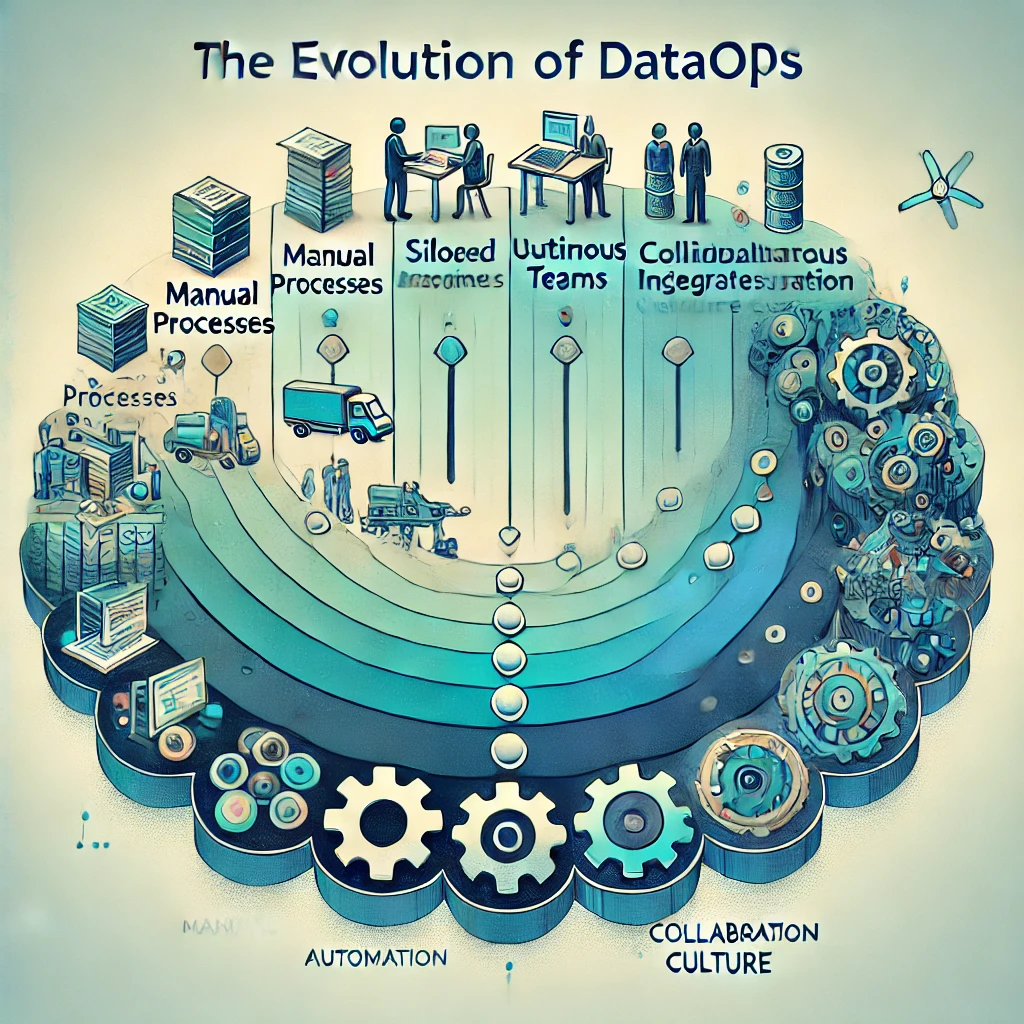
The Evolution of DataOps
As organizations increasingly rely on data for decision-making, the need for a more agile and responsive approach to data management has become apparent. Traditional methods of managing data, often characterized by manual processes and lengthy cycles, are no longer sufficient in today’s fast-paced environment. DataOps emerged as a solution to these challenges, drawing inspiration from the success of DevOps in software development.
Just as DevOps transformed the way software is developed, tested, and deployed, DataOps aims to revolutionize the way data is managed, processed, and delivered. It emphasizes automation, collaboration, and continuous improvement, enabling organizations to respond more quickly to changes in data requirements and deliver insights faster.
Key Principles of DataOps
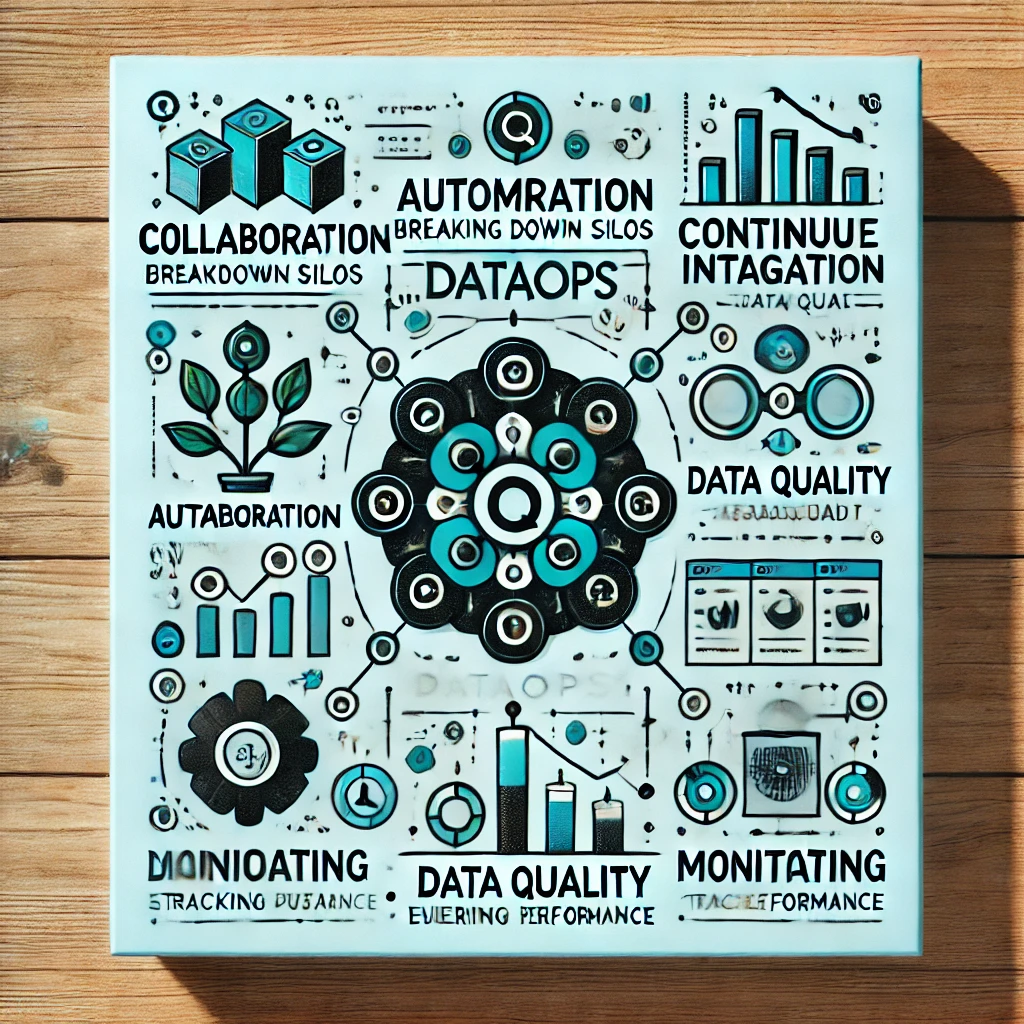
- Collaboration and Communication: DataOps breaks down barriers between data engineers, data scientists, analysts, and other stakeholders. By fostering collaboration and open communication, it ensures that everyone involved in the data pipeline is aligned and working towards common goals.
- Automation: Automation is at the core of DataOps. By automating repetitive and time-consuming tasks such as data integration, testing, and deployment, organizations can reduce errors, accelerate processes, and free up valuable resources for more strategic activities.
- Continuous Integration and Continuous Deployment (CI/CD): DataOps borrows the CI/CD practices from DevOps, applying them to data management. This approach enables teams to continuously integrate and deploy changes to data pipelines, ensuring that data is always up-to-date and accurate.
- Version Control: Just as software code is versioned, DataOps encourages the use of version control for data and data pipelines. This allows teams to track changes, roll back to previous versions if necessary, and maintain a clear history of data transformations.
- Monitoring and Measurement: DataOps emphasizes the importance of monitoring data pipelines and measuring performance. By tracking key metrics and identifying bottlenecks, organizations can continuously optimize their data processes and improve overall efficiency.
- Data Quality and Governance: Ensuring data quality and adhering to governance policies are critical aspects of DataOps. By implementing automated testing and validation, organizations can maintain high standards of data accuracy, consistency, and compliance.
Benefits of DataOps
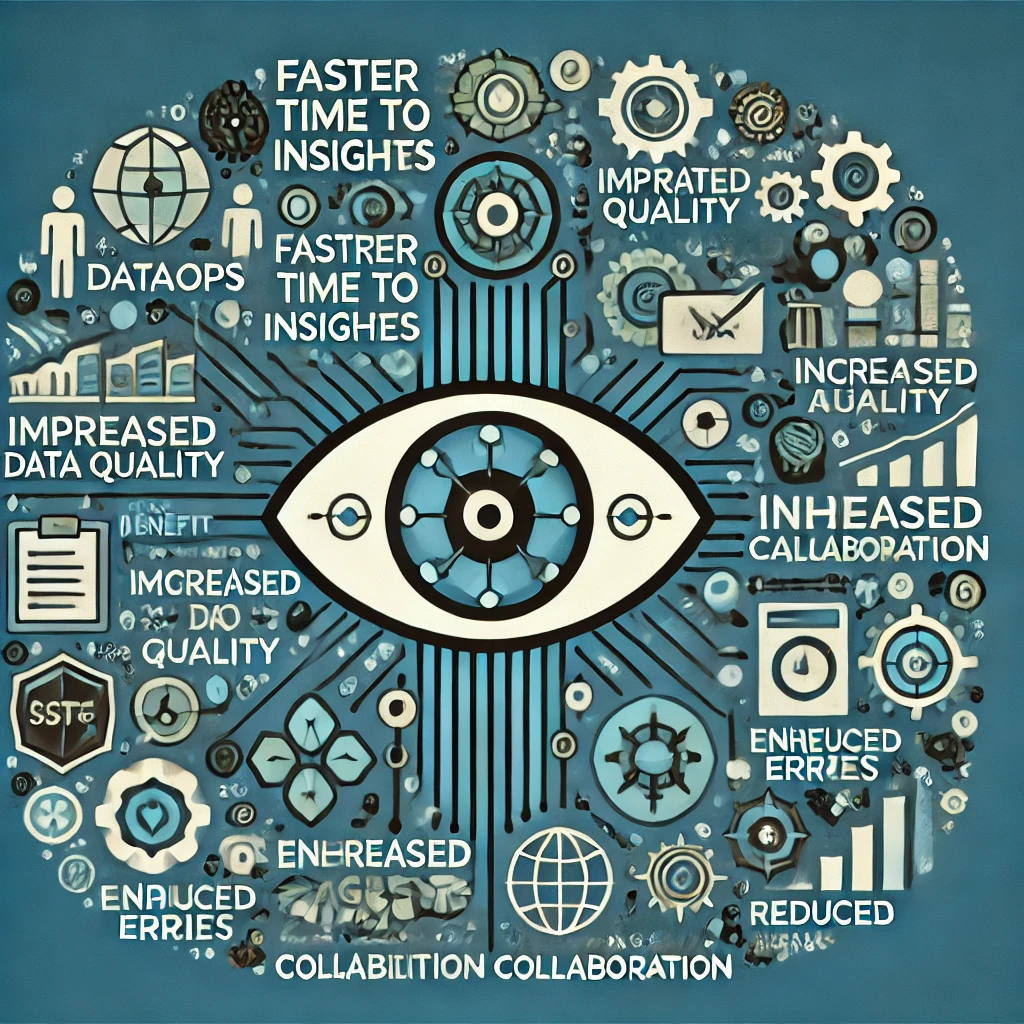
- Faster Time to Insights: By automating processes and enabling continuous delivery, DataOps accelerates the time it takes to generate insights from data, allowing organizations to make data-driven decisions more quickly.
- Improved Data Quality: Automated testing and validation ensure that data is accurate and reliable, reducing the risk of errors and enhancing trust in the data.
- Increased Agility: DataOps enables organizations to respond more quickly to changing data requirements and evolving business needs, making them more agile in a competitive landscape.
- Enhanced Collaboration: By breaking down silos and promoting collaboration, DataOps ensures that data teams work together more effectively, leading to better outcomes.
Implementing DataOps:
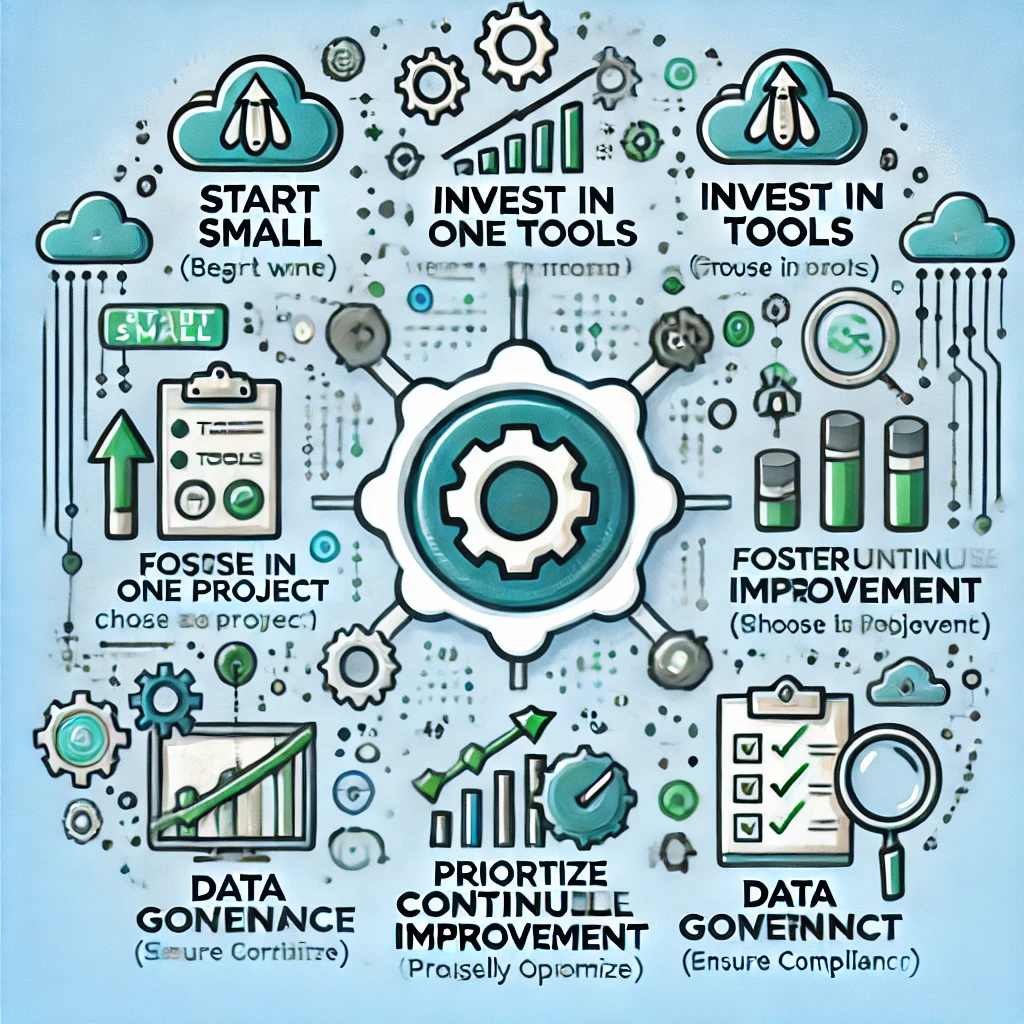
- Start Small: Begin by applying DataOps principles to a specific project or data pipeline. This allows teams to experiment, learn, and refine their approach before scaling up.
- Invest in the Right Tools: The success of DataOps relies on the right set of tools for automation, monitoring, version control, and collaboration. Choose tools that align with your organization’s needs and goals.
- Foster a Culture of Continuous Improvement: Encourage teams to regularly review and optimize their data processes. This mindset of continuous improvement is key to realizing the full benefits of DataOps.
- Prioritize Data Governance: Ensure that data governance is integrated into your DataOps strategy. This includes defining clear policies for data quality, security, and compliance.
