1. What is DevOps?
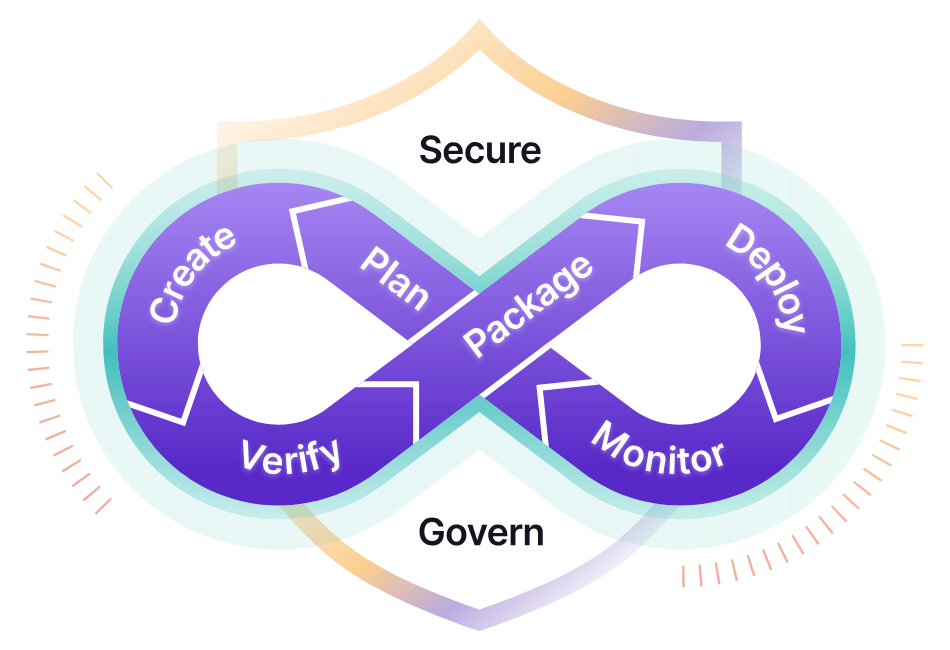
- Overview: This section provides a foundational understanding of DevOps and the tools covered in the course, including Jenkins, Docker, Kubernetes, Git, Ansible, Puppet, and more. Each tool plays a crucial role in automating and streamlining software development and deployment.
- Introduction to Tools:
- Jenkins: Continuous integration and automation tool.
- Docker: Containerization for application packaging.
- Kubernetes: Orchestration for managing containers at scale.
- Git: Version control for codebase management.
- Ansible/Puppet: Configuration management tools for automated server management.
2. Why DevOps is Important
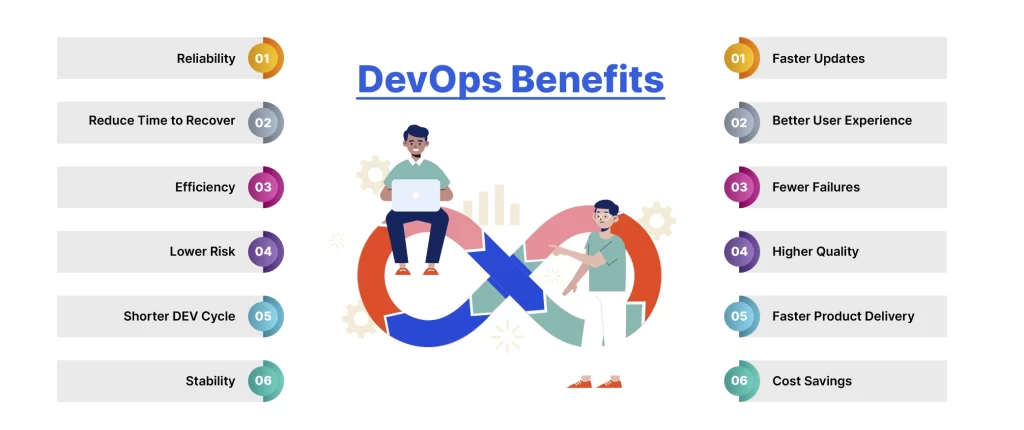
- Value to Learn: DevOps is essential to delivering high-quality applications faster and more efficiently. It bridges the gap between development and operations, allowing for continuous integration, testing, and delivery, which is vital in today’s fast-paced software environments.
- Impact on Careers: Proficiency in DevOps is in high demand across industries, making it a valuable skill for developers, IT engineers, and software architects.
3. Course Features
- Comprehensive Curriculum: Covers tools, best practices, and real-world scenarios.
- Hands-On Labs: Extensive labs and live projects for each module.
- Interactive Sessions: Live instructor-led sessions by Rajesh Kumar with Q&A.
- Certification: Approved certification from DevOpsSchool upon course completion.
4. Training Objectives
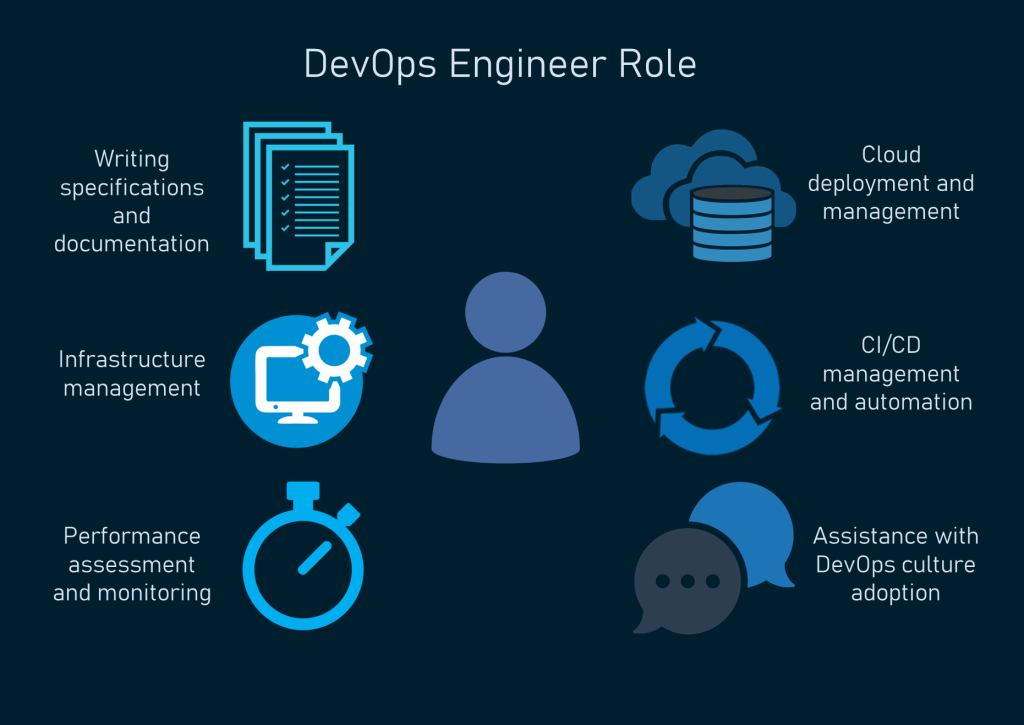
- Goal: Equip participants with practical DevOps skills, including CI/CD, automation, and containerization.
- Skill Outcomes: Proficiency in configuring DevOps tools, building CI/CD pipelines, automating workflows, managing cloud environments, and implementing security in DevOps (DevSecOps).
5. Target Audience
- Who Should Attend:
- Roles: Developers, system administrators, DevOps engineers, and IT professionals.
- Experience Level: Beginner to intermediate; basic familiarity with IT operations is beneficial.
- Educational Background: Technical background in computer science or IT, though not mandatory.
6. Training Methodology
- Format: Combination of lectures, live demos, hands-on labs, and real-time project simulations.
- Delivery: Interactive lectures for theoretical knowledge, workshops for practical application, and group projects for collaboration and real-world scenario building.
7. Training Materials
- Provided Materials:
- Presentations, tool setup guides, and step-by-step handouts.
- Video tutorials and access to recorded sessions.
- Cheat sheets for each tool covered.
8. Evaluation
- Methods:
- Pre-Assessment: To gauge participants’ initial understanding.
- Post-Training Assessment: Exam to test knowledge retention.
- Feedback Survey: Participants complete a survey to evaluate the training’s effectiveness and practical utility.
9. Certification Program
Certification Process: Participants receive certification upon passing the final assessment and completing all hands-on labs.
Certification Coverage: The program addresses various certifications, including:
Certified DevOps Engineer (by DevOpsSchool)
Jenkins Certification
Docker Certified Associate
Kubernetes Administrator Certification
10. Agenda Daywise
| Day | Topics Covered |
|---|---|
| Day 1 | Introduction to DevOps, Git and Version Control, Hands-on with GitLab |
| Day 2 | CI/CD with Jenkins, Setting up Pipelines, Automated Testing in CI/CD |
| Day 3 | Docker for Containerization, Dockerfile Creation, Docker Compose |
| Day 4 | Introduction to Kubernetes, Deploying Applications, Managing Cluster Environments |
| Day 5 | Configuration Management with Ansible/Puppet, Automating Server Configurations, Final Project |
11. Trainers
- Instructor: Rajesh Kumar, an experienced DevOps professional and trainer, with expertise in automation, cloud management, and CI/CD best practices.
12. FAQ
- Q1:What is DevOps?
- A: DevOps is a set of practices combining software development and IT operations to streamline and automate workflows.
- Q2:Do I need prior experience in DevOps?
- A: No prior experience is required, though some IT or software knowledge is helpful.
- Q3:Which certification will I receive?
- A: DevOpsSchool provides an official DevOps Master Certification upon course completion.
- Q4:What tools are covered in this course?
- A: Key tools include Jenkins, Docker, Kubernetes, Git, Ansible, and Puppet.
- Q5:Is there a final exam?
- A: Yes, participants will complete an assessment to receive certification.
- Q6:Can I access the course materials after training?
- A: Yes, all materials are available online for review post-training.
- Q7:What is the duration of the course?
- A: The course typically spans 5 days, with additional time for certification.
- Q8:Are hands-on labs included?
- A: Yes, each module has a dedicated hands-on lab for practical experience.
- Q9:Will I get support setting up the lab?
- A: Yes, lab setup guidance is provided on the first day.
- Q10:Can I join remotely?
- A: Yes, the course is available online with live instructor support.
videos
What do participants think about our certification?
Participants consistently share positive feedback about the DevOps Certification Program offered by DevOpsSchool and led by Rajesh Kumar. Here’s what they have to say:
- Comprehensive and Practical: Many participants appreciate the depth of content covered, especially the real-world applications and hands-on labs that make complex concepts easier to understand and apply.
- Clear, Step-by-Step Guidance: The structure of the course is highly praised for its clarity. Rajesh Kumar’s teaching approach—breaking down each tool and concept step-by-step—makes it accessible even for beginners.
- Interactive Learning Experience: The live, instructor-led sessions allow for real-time Q&A, which participants find invaluable for deepening their understanding and getting immediate feedback on their questions.
- In-Demand Skills: Participants recognize that the skills gained from this certification are directly applicable to their jobs, boosting their confidence and positioning them as valuable assets in their roles.
- Career Advancement: Certified participants note that having an official DevOps certification from a recognized institution like DevOpsSchool has opened new career doors and made them more competitive in the job market.
- Effective Lab Setup and Resources: Participants also highlight the quality of the lab setups and the support materials, which help them practice and apply the knowledge independently post-training.
The overall sentiment is that the certification is thorough, highly valuable, and instrumental in both skill-building and career growth.
