Have you ever wondered what a DataOps Engineer does? Well, wonder no more! In this blog post, we will dive into the world of DataOps and explore the job description of a DataOps Engineer.
Introduction
DataOps is a term that has been gaining popularity in recent years. It is a methodology that focuses on the collaboration and integration of data operations (DataOps) and software development (DevOps) teams to improve the speed and quality of data analytics. A DataOps Engineer is a professional who is responsible for designing, implementing, and maintaining the tools and infrastructure required for DataOps.
Job Responsibilities
The job responsibilities of a DataOps Engineer can vary depending on the organization they work for and the specific project they are working on. However, some of the common responsibilities are:
Designing and Implementing Data Pipelines
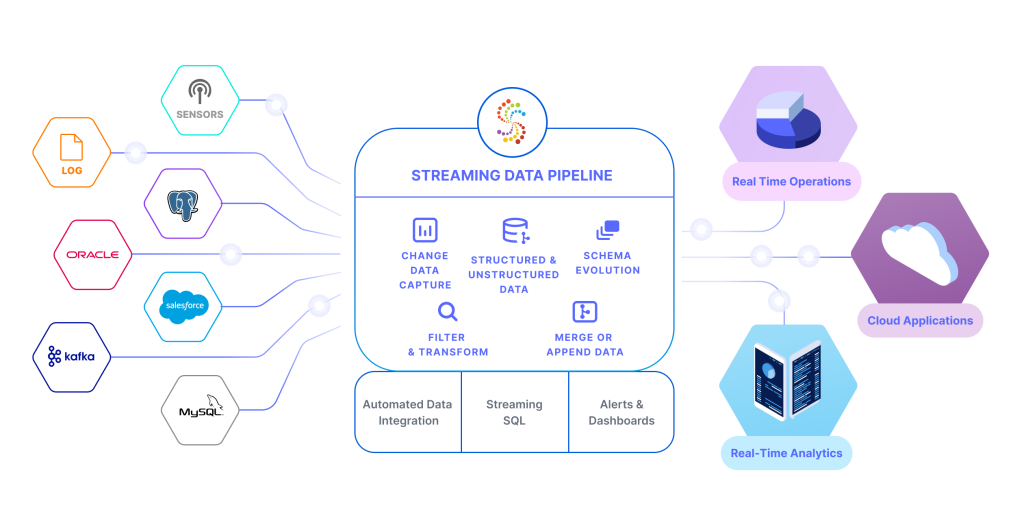
A DataOps Engineer is responsible for designing and implementing data pipelines that can efficiently move data from source systems to data warehouses or data lakes. They need to ensure that the data pipelines are scalable, reliable, and secure.
Managing Data Infrastructure
A DataOps Engineer is also responsible for managing the data infrastructure, including data storage, processing, and retrieval systems. They need to ensure that the infrastructure is optimized for performance and cost-effectiveness.
Monitoring and Troubleshooting
A DataOps Engineer needs to monitor the data pipelines and infrastructure continuously. They need to troubleshoot any issues that arise and ensure that the data is flowing smoothly.
Automating Data Processes
A DataOps Engineer needs to automate data processes wherever possible to improve the efficiency and speed of data analytics. They use tools like Apache Airflow, Luigi, or AWS Step Functions to automate the data processes.
Collaborating with Other Teams
A DataOps Engineer needs to collaborate with other teams, including software development, data science, and data analytics teams. They need to ensure that the data pipelines and infrastructure meet the requirements of these teams.
Required Skills
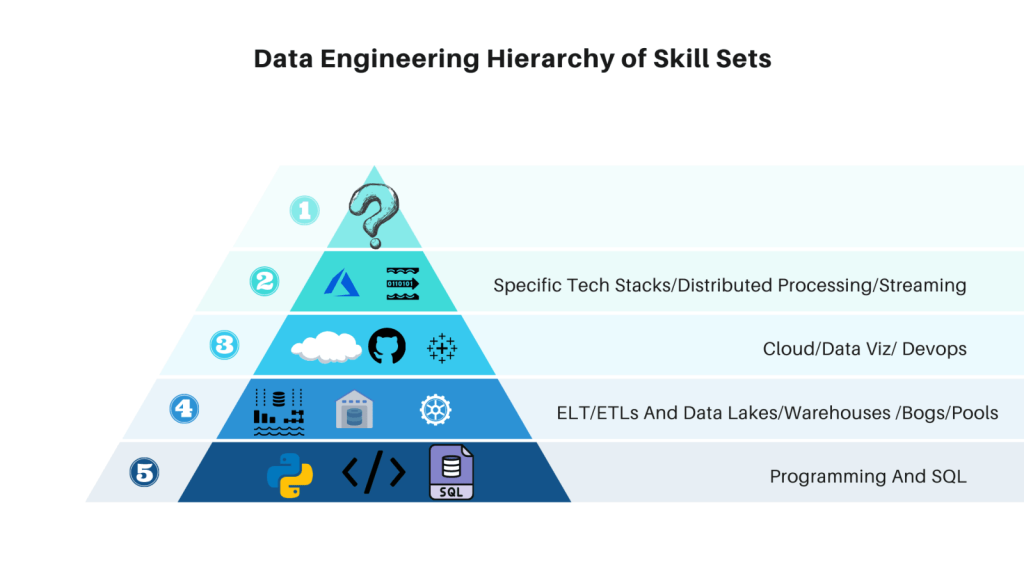
To become a successful DataOps Engineer, you need to have the following skills:
Technical Skills
- Proficiency in programming languages like Python, Java, or Scala.
- Experience with data processing frameworks like Apache Spark, Apache Flink, or Apache Beam.
- Experience with cloud-based data platforms like AWS, Azure, or GCP.
- Knowledge of databases like MySQL, PostgreSQL, or MongoDB.
- Understanding of data warehousing concepts and tools like Snowflake, Redshift, or BigQuery.
Soft Skills
- Strong problem-solving skills.
- Excellent communication and collaboration skills.
- Flexibility to adapt to changing requirements and priorities.
- Ability to work in a fast-paced and dynamic environment.
Conclusion
DataOps is an exciting and rapidly growing field, and a career as a DataOps Engineer can be rewarding and challenging. The job requires a mix of technical and soft skills, and the ability to work in a collaborative and dynamic environment. If you are interested in pursuing a career in DataOps, start by learning the required skills and gaining hands-on experience with data platforms and tools.
