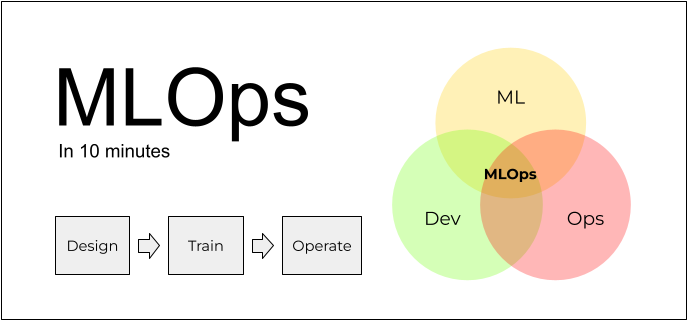
Are you familiar with the terms DevOps and MLOps? Have you ever wondered how they can be implemented together? In this article, we’ll explore the world of DevOps and MLOps and how they can work together to streamline your development process.
What is DevOps?
DevOps is a combination of development and operations. It’s a set of practices that aims to improve collaboration and communication between software developers and IT operations professionals. The goal of DevOps is to deliver software more quickly and reliably.
What is MLOps?
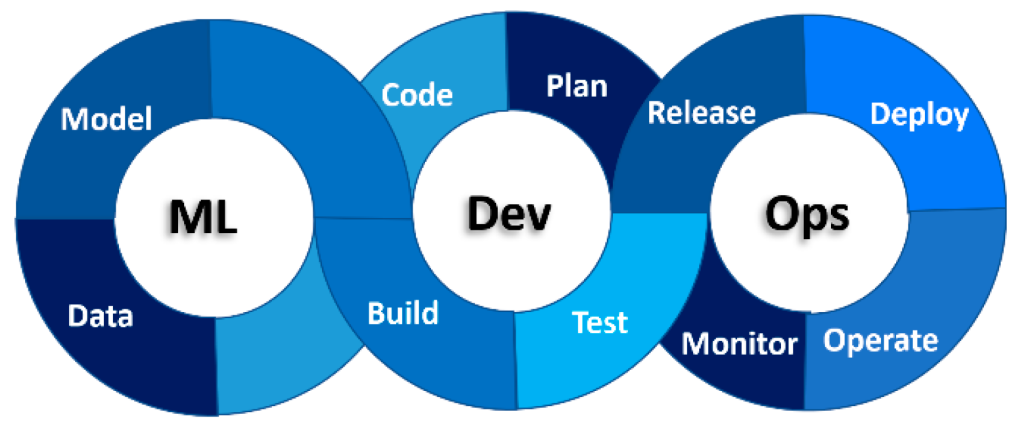
MLOps, on the other hand, is the practice of applying DevOps principles to machine learning projects. It involves automating the machine learning pipeline, from data preparation to deployment. The goal of MLOps is to enable teams to build, test, and deploy machine learning models more efficiently.
Why Combine DevOps and MLOps?
Combining DevOps and MLOps can bring numerous benefits to your development process. Here are a few reasons why you should consider implementing both:
Improved Collaboration
By implementing DevOps and MLOps together, you can improve collaboration between your development and operations teams. This can help you to identify and resolve issues more quickly, leading to faster delivery times.
Better Quality
By automating your machine learning pipeline, you can reduce the risk of errors and improve the quality of your models. This can help you to deliver more accurate and reliable results to your customers.
Faster Deployment
MLOps can help you to deploy your machine learning models more quickly and efficiently. By automating the deployment process, you can reduce the time it takes to get your models into production.
How to Implement DevOps and MLOps Together?
Implementing DevOps and MLOps together can be a daunting task, but it’s definitely worth the effort. Here are some tips to help you get started:
1. Define Your Goals
Before you start implementing DevOps and MLOps, it’s important to define your goals. What do you want to achieve by combining these two practices? Make sure your goals are specific, measurable, achievable, relevant, and time-bound.
2. Choose the Right Tools
Choosing the right tools is crucial when implementing DevOps and MLOps. You need tools that can automate your pipeline, integrate with your existing systems, and provide you with the necessary insights to make informed decisions.
3. Build a Culture of Collaboration
To successfully implement DevOps and MLOps, you need to build a culture of collaboration. Encourage your development and operations teams to work together, share knowledge, and learn from each other.
4. Automate Your Pipeline
Automation is key to implementing DevOps and MLOps together. Automate your pipeline from data preparation to deployment, and make sure to test everything thoroughly before deploying to production.
5. Monitor and Improve
Once you’ve implemented DevOps and MLOps, it’s important to monitor your pipeline and continuously improve it. Use metrics and analytics to track your progress, identify areas for improvement, and make data-driven decisions.
Conclusion
In conclusion, combining DevOps and MLOps can bring numerous benefits to your development process. By improving collaboration, quality, and deployment times, you can deliver more accurate and reliable results to your customers. Remember to define your goals, choose the right tools, build a culture of collaboration, automate your pipeline, and monitor and improve continuously. With these tips, you can implement DevOps and MLOps together successfully.
