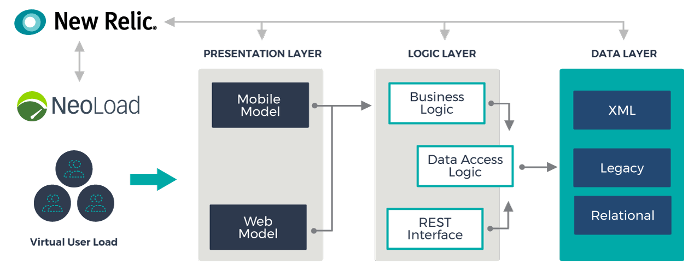
Are you familiar with the term “dataops”? It’s a relatively new term that refers to the combination of data engineering and operations. Dataops is all about improving the speed and quality of data-related processes, from data ingestion to data analysis. In recent years, more and more companies have started to realize the importance of dataops, and one of the leading companies in this space is NewRelic.
Introduction to NewRelic
NewRelic is a company that provides observability and monitoring tools for IT teams. The company was founded in 2008 and has since grown to become one of the leading providers of observability and monitoring solutions. NewRelic’s tools help IT teams monitor the health and performance of their applications, infrastructure, and networks.
What is Observability?
Before we dive into how NewRelic is using dataops, let’s take a moment to talk about observability. Observability is the ability to understand the internal state of a system based on its external outputs. In other words, observability is the ability to see what’s happening inside a system without having to go inside it. Observability is critical for IT teams because it allows them to quickly identify and resolve issues that can impact the performance of their applications.
How NewRelic Uses Dataops
NewRelic has fully embraced dataops as a way to improve the speed and quality of its monitoring and observability tools. Here are some of the ways that NewRelic is using dataops:
Automated Data Ingestion
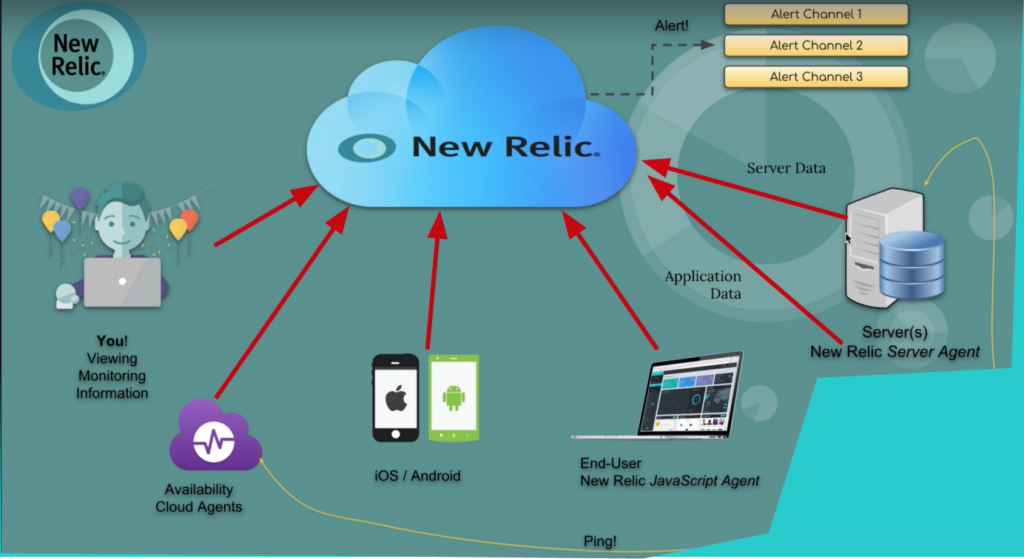
NewRelic uses automated data ingestion to collect data from a variety of sources, including applications, infrastructure, and networks. The company uses a variety of data collectors, including agents, APIs, and log files. By automating the data ingestion process, NewRelic can quickly collect and analyze data from a variety of sources, which helps IT teams identify issues faster.
Machine Learning
NewRelic uses machine learning to analyze the data it collects. Machine learning algorithms can identify patterns and anomalies in the data, which can help IT teams quickly identify issues that may be impacting the performance of their applications. NewRelic’s machine learning algorithms can also provide recommendations for how to resolve issues based on previous data.
Real-Time Alerting
NewRelic uses real-time alerting to notify IT teams when issues are detected. The company’s alerting system can send notifications via email, SMS, or through integrations with other tools like Slack or PagerDuty. Real-time alerting helps IT teams quickly respond to issues and resolve them before they impact the performance of their applications.
Data Visualization
NewRelic uses data visualization to help IT teams understand the data it collects. The company’s dashboards provide real-time insights into the health and performance of applications, infrastructure, and networks. The dashboards are customizable, so IT teams can create views that are tailored to their specific needs.
Conclusion
NewRelic is a company that has fully embraced dataops as a way to improve the speed and quality of its monitoring and observability tools. By using automated data ingestion, machine learning, real-time alerting, and data visualization, NewRelic is able to provide IT teams with the insights they need to quickly identify and resolve issues that can impact the performance of their applications. If you’re looking for a monitoring and observability solution, NewRelic is definitely worth considering.
