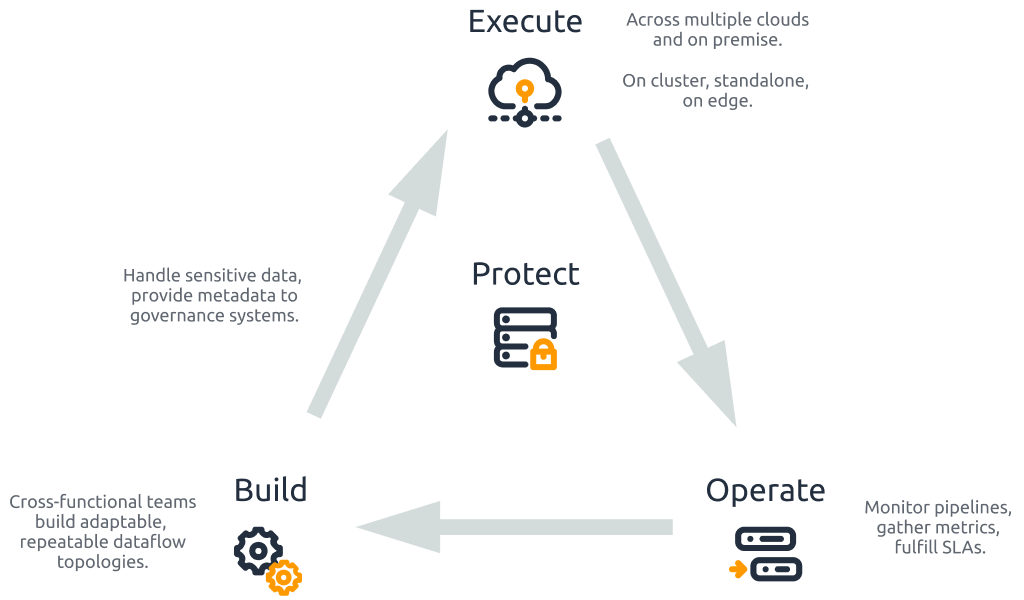
Are you tired of dealing with slow and inefficient software development processes? Do you want to improve your DevOps practices and take them to the next level? Then it’s time to embrace DataOps.
In this blog post, we’ll explore how DataOps can enhance your DevOps practices and help you achieve better results. We’ll cover everything from the basics of DataOps to its benefits and best practices. So, let’s dive in!
What is DataOps?
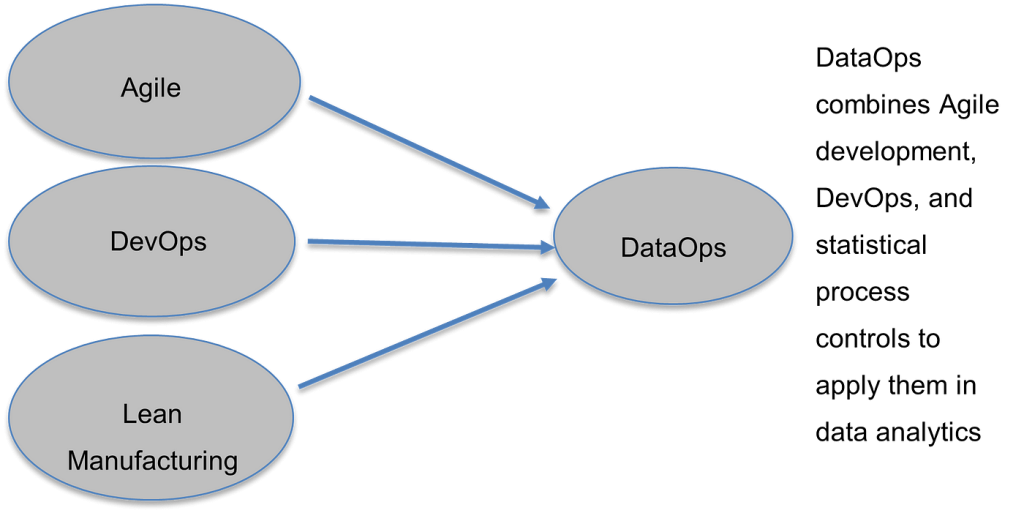
DataOps is a methodology that aims to streamline the entire data lifecycle – from data collection to analysis and delivery. It’s based on the principles of Agile and DevOps, which means that it’s highly collaborative and iterative. In essence, DataOps is all about making data-driven decisions and automating the data pipeline.
The Benefits of DataOps
There are many benefits to using DataOps in your DevOps practices. Here are just a few:
Improved Collaboration
DataOps promotes collaboration between data scientists, developers, and other stakeholders. This ensures that everyone is on the same page and working towards the same goals.
Increased Efficiency
By automating the data pipeline, DataOps reduces the time and effort required to collect, process, and analyze data. This leads to improved efficiency and faster time-to-market.
Better Quality Data
DataOps ensures that the data being used is accurate, reliable, and up-to-date. This helps to avoid costly mistakes and improves decision-making.
Enhanced Security
DataOps provides better security controls, ensuring that sensitive data is protected and that compliance requirements are met.
Best Practices for DataOps in DevOps
Now that you know the benefits of DataOps, let’s look at some best practices for implementing it in your DevOps practices.
Start Small
Don’t try to implement DataOps across your entire organization all at once. Start with a small pilot project and gradually expand from there.
Focus on Collaboration
DataOps is all about collaboration. Make sure that everyone involved in the data pipeline is working together and communicating effectively.
Automate as Much as Possible
DataOps relies heavily on automation. Use tools like Jenkins, Docker, and Kubernetes to automate the data pipeline as much as possible.
Embrace Continuous Integration and Delivery
DataOps is closely aligned with the principles of continuous integration and delivery. Make sure that your DevOps practices are also geared towards these principles.
Monitor and Measure Everything
DataOps is all about data-driven decision-making. Make sure that you’re monitoring and measuring everything, so that you can make informed decisions based on data.
Conclusion
DataOps is a powerful methodology that can greatly enhance your DevOps practices. By automating the data pipeline and promoting collaboration, you can achieve better results and faster time-to-market. So, if you’re looking to improve your DevOps practices, it’s time to start embracing DataOps.
