Introduction
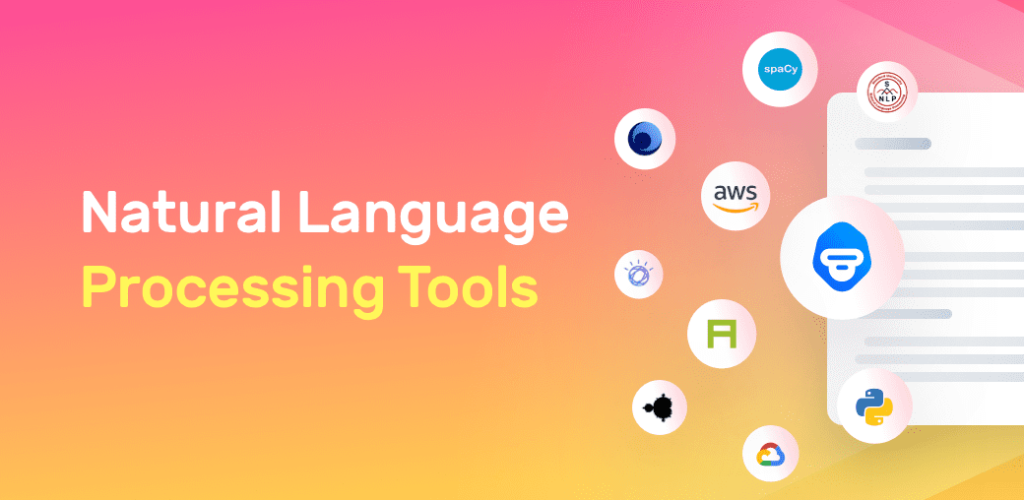
In this blog article, we will explore the fascinating world of Natural Language Processing (NLP) tools. NLP is a subfield of artificial intelligence that focuses on the interaction between computers and human language. With the advancements in NLP, we can now analyze, understand, and generate human language in a way that was once thought to be impossible.
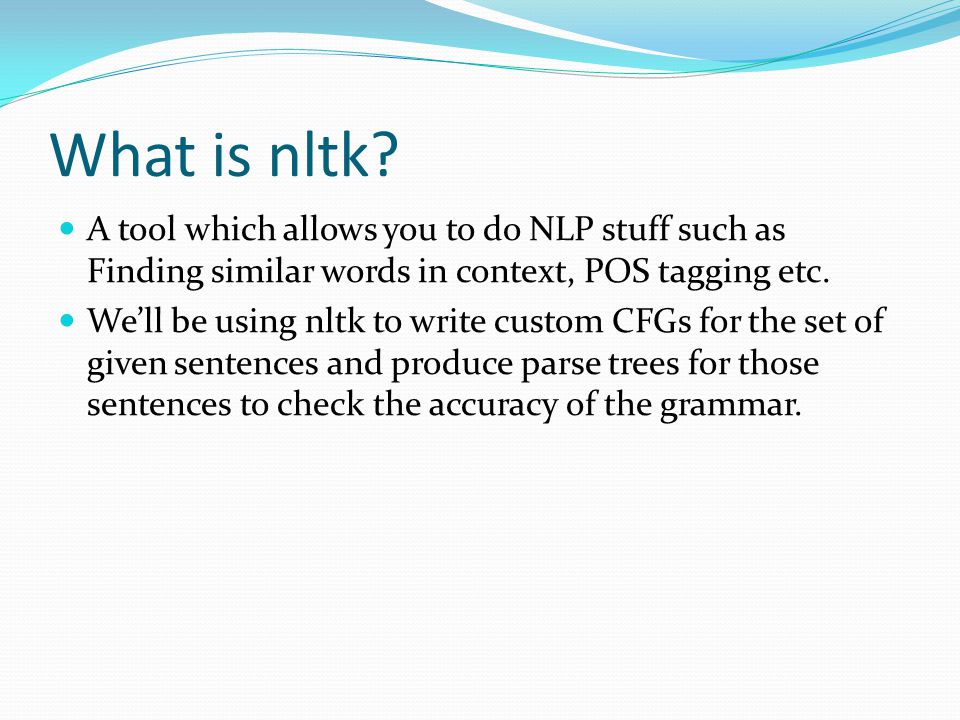
NLTK: Natural Language Toolkit
NLTK, short for Natural Language Toolkit, is a popular Python library for NLP. It provides a wide range of tools and resources for tasks such as tokenization, stemming, lemmatization, part-of-speech tagging, and sentiment analysis. NLTK is widely used by researchers and developers alike due to its simplicity and extensive documentation.
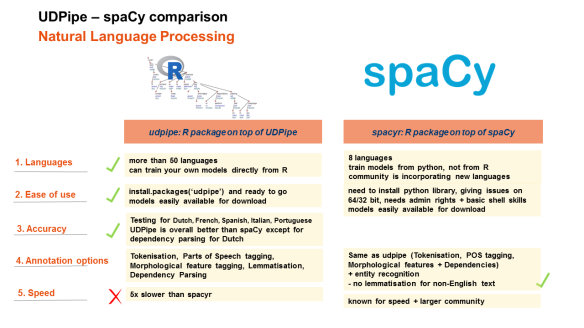
Spacy: Industrial-Strength NLP
Spacy is another powerful NLP library that is designed for industrial-strength natural language processing. It offers efficient tokenization, named entity recognition, syntactic parsing, and word vector representations. Spacy is known for its speed and accuracy, making it a popular choice for large-scale NLP applications.
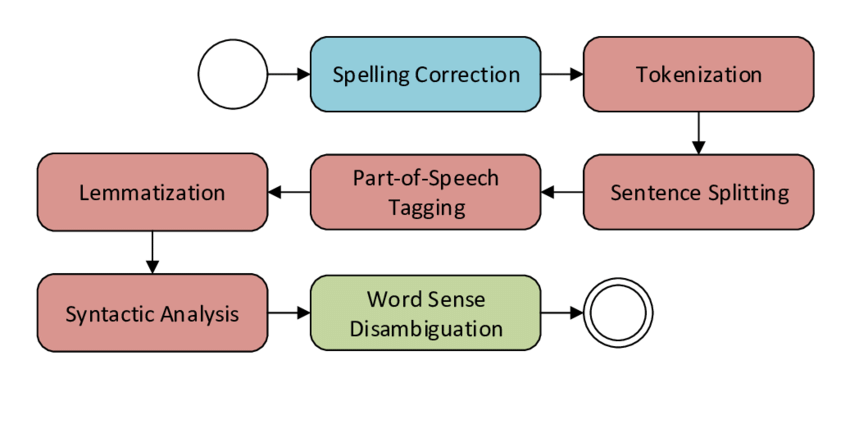
Stanford CoreNLP: Linguistic Analysis
Stanford CoreNLP is a suite of NLP tools developed by Stanford University. It provides a wide range of linguistic analysis capabilities, including part-of-speech tagging, named entity recognition, dependency parsing, and sentiment analysis. Stanford CoreNLP is widely used in both academia and industry for its robustness and accuracy.
Google Cloud Natural Language API: Cloud-Based NLP
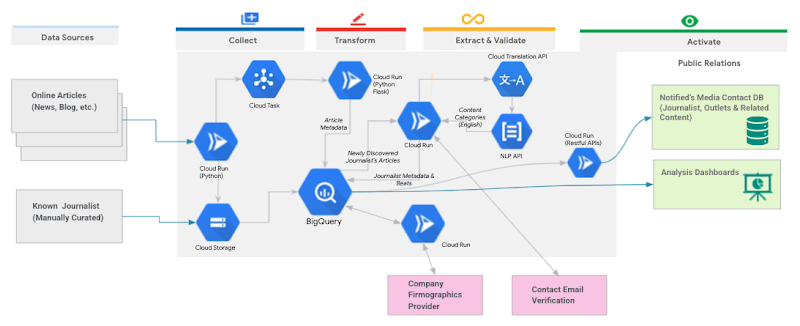
Google Cloud Natural Language API is a cloud-based NLP service offered by Google. It provides pre-trained models for various NLP tasks, such as entity analysis, sentiment analysis, and syntax analysis. With the Google Cloud Natural Language API, developers can easily incorporate NLP capabilities into their applications without having to worry about training and deploying models.
Amazon Comprehend: NLP with Machine Learning
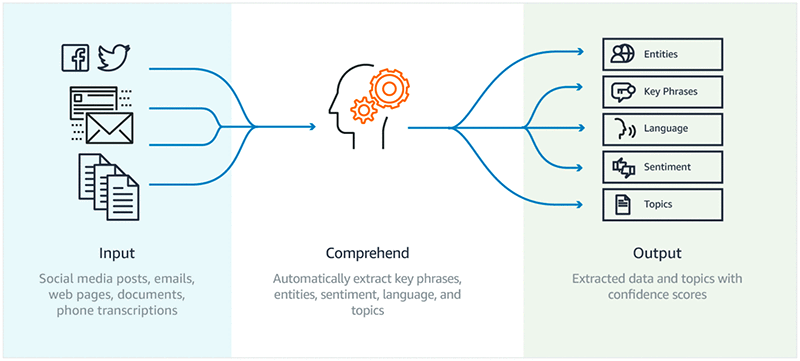
Amazon Comprehend is a fully managed NLP service provided by Amazon Web Services (AWS). It offers a range of NLP capabilities, including entity recognition, sentiment analysis, keyphrase extraction, and language detection. Amazon Comprehend is powered by machine learning algorithms, allowing it to continuously improve its accuracy and performance.
Conclusion
In conclusion, the field of Natural Language Processing has seen significant advancements in recent years, thanks to the development of powerful NLP tools such as NLTK, Spacy, Stanford CoreNLP, Google Cloud Natural Language API, and Amazon Comprehend. These tools have made it easier than ever to analyze and understand human language, opening up new possibilities for applications in various domains. Whether you are a researcher, developer, or business owner, incorporating NLP tools into your workflow can help you gain valuable insights from textual data and enhance the user experience of your applications.
