Data lineage is the tracking of the origin, transformation, and destination of data. It is a critical tool for understanding how data flows through an organization’s systems and applications. Data lineage can be used to improve data quality, compliance, and decision-making.
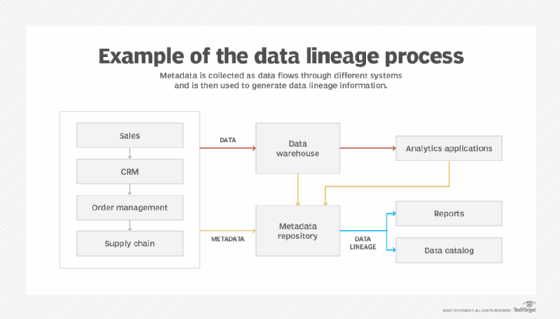
There are a number of data lineage tools available, each with its own strengths and weaknesses. Here is a comparison of four of the most popular data lineage tools:
1. Informatica Enterprise Data Catalog: Enriching Insights with Lineage
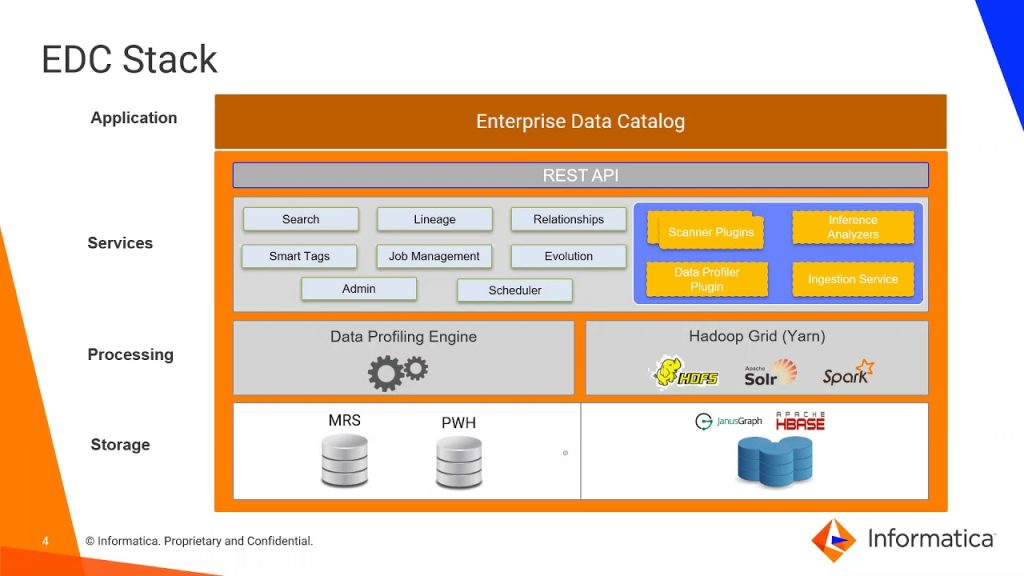
Informatica Enterprise Data Catalog (EDC) serves as a beacon for understanding data lineage across complex ecosystems. EDC automatically discovers and catalogs metadata from various sources, providing a unified view of data assets. Its lineage capabilities visualize data flow, revealing transformations, dependencies, and touchpoints. This visibility enhances data governance by ensuring transparency and facilitating impact analysis for changes, thus enabling informed decision-making and compliance adherence.
2. IBM InfoSphere Information Governance Catalog: Orchestrating Data Governance
IBM InfoSphere Information Governance Catalog embraces data lineage as a cornerstone of its comprehensive data governance strategy. The tool empowers organizations to catalog, classify, and manage metadata, creating a trusted foundation for data lineage insights. By visualizing data movement and transformations, organizations can confidently trace data origins, assess data quality, and manage data’s lifecycle. This lineage-driven approach fosters a culture of accountability and trust in data-driven decision-making.
3. Talend Data Fabric: Seamlessly Integrating Lineage
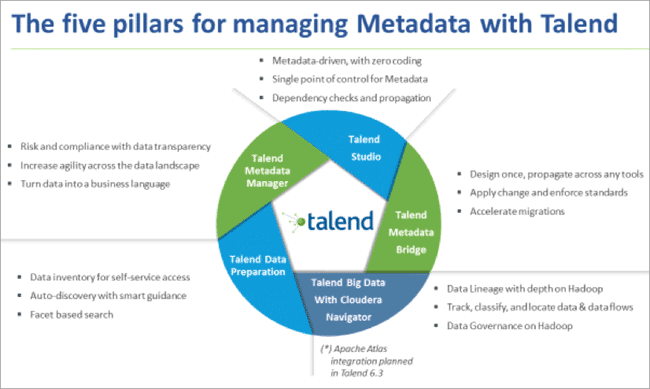
Talend Data Fabric is an integrated data platform that includes a data lineage tool. The data lineage tool in Talend Data Fabric offers features for data discovery, data lineage tracking, and data quality assessment. This empowers organizations to understand not only where data originates but also how it evolves across systems. The lineage insights enable efficient troubleshooting, impact analysis, and compliance validation.
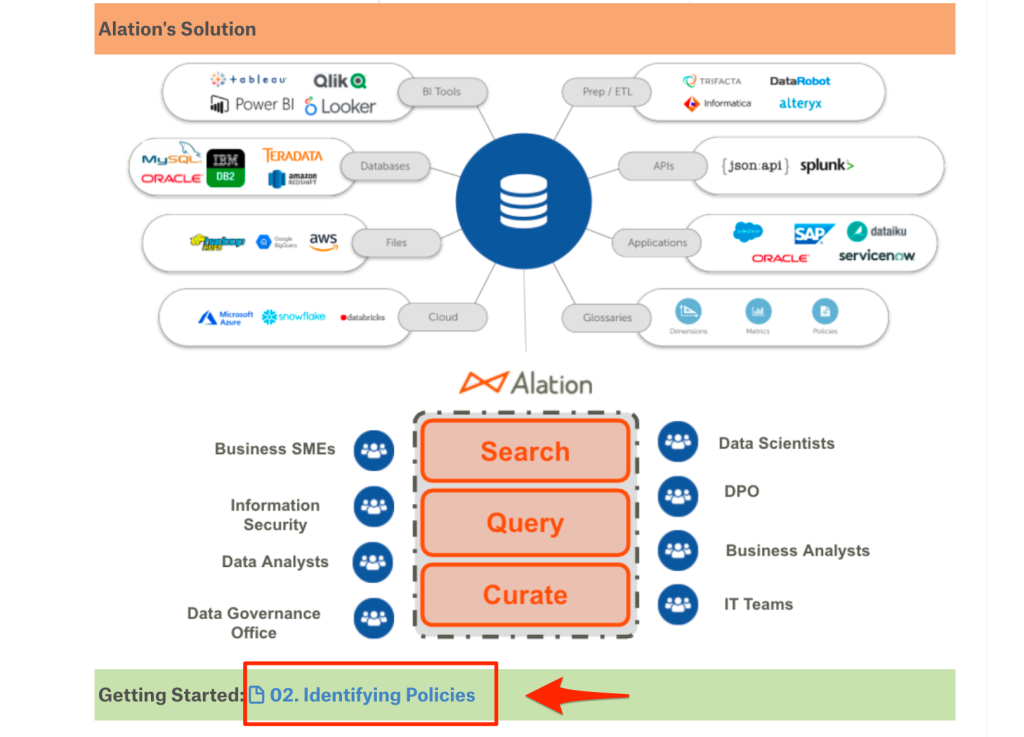
4. Alation: Elevating Collaboration with Lineage Insights
Alation is a data lineage tool that helps organizations understand and manage their data assets. It offers features for data discovery, data lineage tracking, data quality assessment, and data governance. Alation’s lineage capabilities help bridge the gap between business and IT users by providing a clear understanding of data’s journey. This promotes self-service analytics and enables users to make informed decisions based on reliable lineage information. Alation’s approach fosters a culture of data-driven collaboration.
Conclusion:-
In the era of data-driven decision-making, data lineage tools shine as torchbearers, illuminating the often complex odyssey of data from source to destination. By providing insights into data movement, transformations, and dependencies, these tools empower organizations to uphold data integrity, adhere to compliance regulations, and drive confident decision-making. The visual representation of data lineage not only aids in resolving issues promptly but also strengthens the trust that stakeholders place in their data assets.
