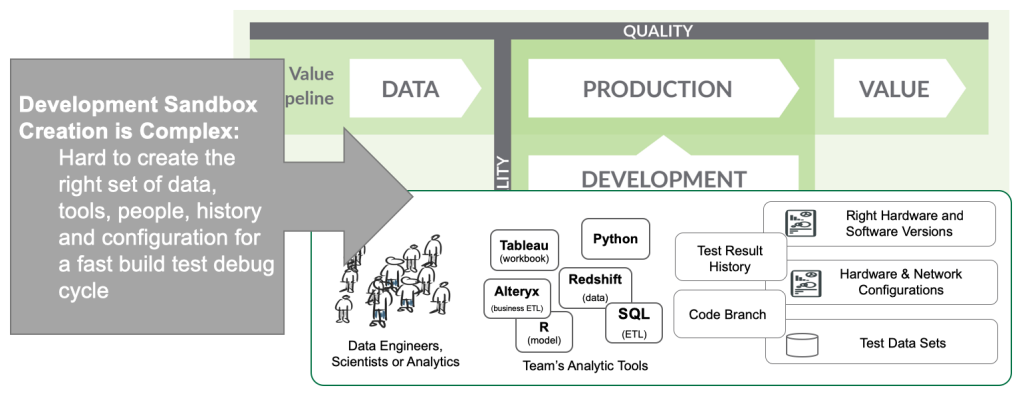
If you’re in the world of data management, you’ve probably heard of DevOps – the set of practices that combine software development and IT operations. But have you heard of DataOps? It’s a similar concept, but focused specifically on data management.
In this article, we’ll dive into the four key stages of DataOps, and explore why they’re so important for effective data management.
Stage 1: Data Ingestion
The first stage of DataOps is data ingestion – the process of collecting and importing data from various sources into a central repository. This is a crucial step, as it sets the foundation for all subsequent data processing and analysis.
During the data ingestion stage, it’s important to ensure that the data is accurate, complete, and consistent. This can involve cleaning and transforming the data, as well as validating it against business rules and data quality standards.
Stage 2: Data Processing
Once the data has been ingested and validated, the next stage is data processing. This involves a range of activities, including data integration, transformation, and enrichment.
During the data processing stage, it’s important to ensure that the data is structured and organized in a way that makes it easy to analyze and derive insights from. This can involve the use of data modeling techniques, as well as the creation of data pipelines and workflows to automate the processing and analysis of the data.
Stage 3: Data Analysis
The third stage of DataOps is data analysis – the process of deriving insights and value from the data. This can involve a range of activities, including data visualization, statistical analysis, and machine learning.
During the data analysis stage, it’s important to ensure that the insights derived from the data are accurate and actionable. This can involve the use of data governance and data quality frameworks to ensure that the data is reliable and trustworthy.
Stage 4: Data Delivery
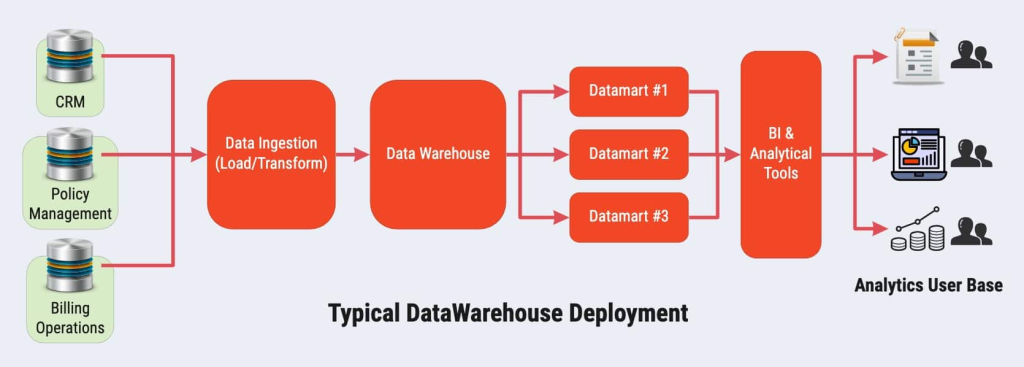
The final stage of DataOps is data delivery – the process of delivering the insights and value derived from the data to the relevant stakeholders. This can involve the creation of reports, dashboards, and visualizations, as well as the integration of the insights into business processes and decision-making.
During the data delivery stage, it’s important to ensure that the insights are delivered in a timely and relevant manner. This can involve the use of real-time analytics and automated alerting systems to enable proactive decision-making.
Conclusion
DataOps is an important concept for effective data management, and involves four key stages: data ingestion, data processing, data analysis, and data delivery. By following these stages, organizations can ensure that their data is accurate, trustworthy, and actionable, enabling them to derive maximum value from their data assets.
