Are you looking for a way to optimize your data operations processes? Look no further than DataOps roadmap. In this article, we’ll explore what DataOps roadmap is, its benefits, and how to implement it in your organization.
What Is DataOps Roadmap?
DataOps roadmap is a strategic plan that outlines the steps an organization needs to take to optimize its data operations processes. The roadmap provides a clear path for organizations to follow to achieve their data operations objectives. It includes an analysis of the organization’s current data operations practices, identifies areas for improvement, and outlines the steps required to achieve the desired outcomes.
Benefits of DataOps Roadmap
Implementing a DataOps roadmap in your organization can provide numerous benefits. Here are some of the main benefits:
Improved Data Quality
DataOps roadmap promotes the use of automated testing and monitoring tools that help to identify and correct data quality issues before they become a problem. This results in improved data quality and accuracy, which can lead to better decision-making.
Increased Efficiency
DataOps roadmap helps organizations to streamline their data operations processes, reducing the time and resources required to carry out data-related tasks. This, in turn, increases efficiency and productivity, allowing organizations to focus on more critical business activities.
Better Collaboration
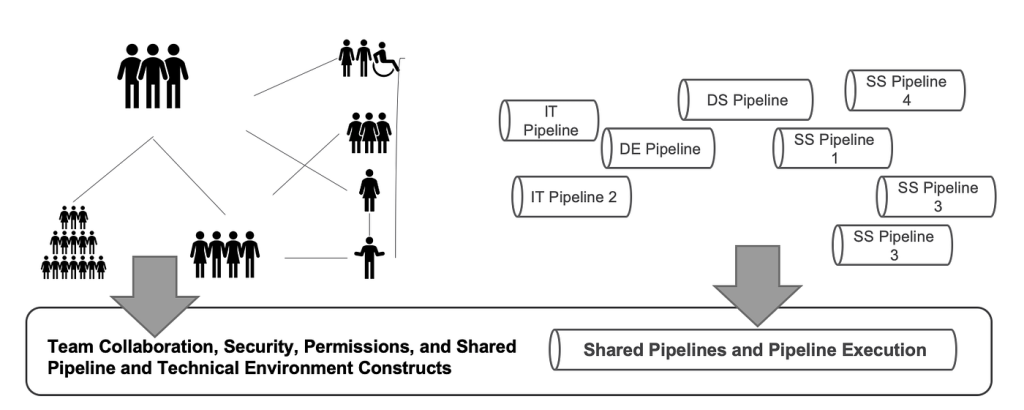
DataOps roadmap promotes collaboration between different teams involved in data operations, such as data scientists, data engineers, and business analysts. This collaboration leads to better communication, improved understanding of data-related issues, and faster problem-solving.
How to Implement DataOps Roadmap
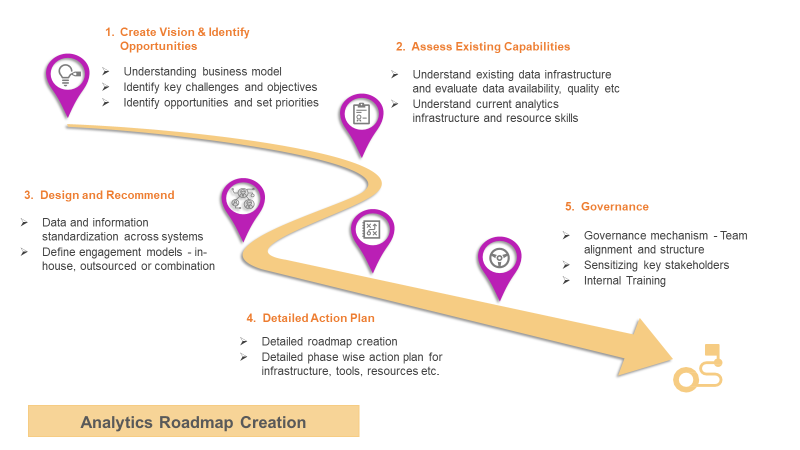
Implementing DataOps roadmap in your organization requires careful planning and execution. Here are the steps involved:
Step 1: Assess Current Data Operations Practices
The first step is to assess your organization’s current data operations practices. This involves identifying the processes, tools, and technologies currently in use, as well as any areas that need improvement.
Step 2: Define Objectives
The next step is to define your organization’s data operations objectives. This involves identifying the key outcomes you want to achieve and setting measurable goals.
Step 3: Develop a Roadmap
Based on the assessment and objectives, develop a DataOps roadmap that outlines the steps required to achieve the desired outcomes. The roadmap should include timelines, milestones, and key performance indicators (KPIs) to track progress.
Step 4: Implement the Roadmap
Once the roadmap is developed, it’s time to implement it. This involves executing the steps outlined in the roadmap and monitoring progress against the KPIs.
Step 5: Continuously Improve
Continuous improvement is critical for the success of DataOps roadmap. Regularly review and update the roadmap to reflect changes in the organization’s data operations environment and adjust the processes and tools used to achieve the desired outcomes.
Conclusion
DataOps roadmap is a powerful tool that can help organizations optimize their data operations processes. By following the steps outlined in this article, you can develop and implement a DataOps roadmap that leads to improved data quality, increased efficiency, and better collaboration between different teams involved in data operations. Start your journey towards optimized data operations today!
