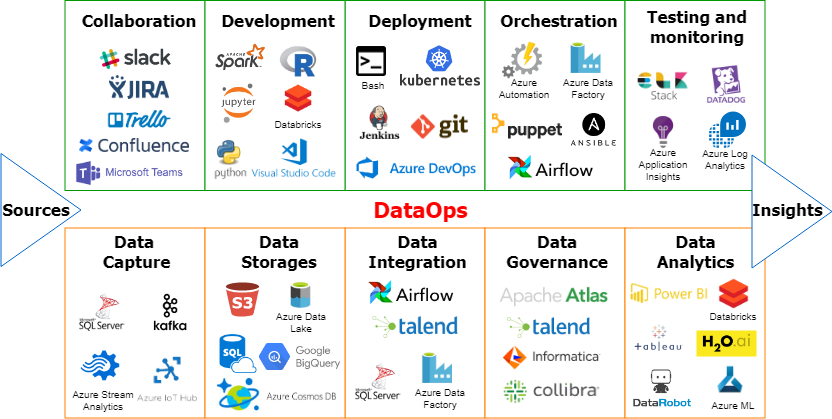
Have you ever heard of DataOps tools? If not, you’re not alone. In today’s rapidly evolving technological landscape, it’s easy to get lost in the sea of buzzwords and acronyms. But fear not, because in this article, we’ll dive deep into the world of DataOps tools and explore what they are, why they’re important, and how they can help businesses of all sizes.
What is DataOps?
Before we delve into DataOps tools, let’s first define what DataOps is. Simply put, DataOps is a methodology that aims to streamline and automate the process of managing data throughout its lifecycle, from data ingestion to analysis. It’s a holistic approach that brings together developers, data scientists, and operations teams to work collaboratively and efficiently towards a common goal.
Why are DataOps Tools Important?
Now that we know what DataOps is, let’s explore why it’s important. In today’s data-driven world, businesses need to be able to quickly and efficiently process large amounts of data to gain insights and make informed decisions. DataOps tools can help with this by automating many of the tedious and time-consuming tasks involved in managing data, such as data ingestion, cleansing, and transformation.
Types of DataOps Tools
There are many different types of DataOps tools available, each with its own unique set of features and capabilities. Below are some of the most commonly used types of DataOps tools:
Data Integration Tools
Data integration tools are used to bring together data from various sources and transform it into a unified format that can be used for analysis. These tools often include features such as data cleansing, transformation, and normalization.
Data Quality Tools
Data quality tools are used to ensure that data is accurate, complete, and consistent. These tools can help identify and correct errors in data, as well as provide insights into data quality trends over time.
Data Governance Tools
Data governance tools are used to manage and enforce data policies and standards within an organization. These tools can help ensure that data is used and managed in a consistent and compliant manner.
Data Catalog Tools
Data catalog tools are used to create a centralized repository of metadata about an organization’s data assets. This can include information such as data lineage, data definitions, and data usage.
How Can DataOps Tools Help Businesses?
So, we know what DataOps tools are and why they’re important, but how can they actually help businesses? Here are just a few of the ways that DataOps tools can provide value:
Increased Efficiency
By automating many of the tedious and time-consuming tasks involved in managing data, DataOps tools can help businesses operate more efficiently. This can free up resources to focus on more strategic initiatives.
Improved Data Quality
Data quality is critical for making informed business decisions. By using DataOps tools to identify and correct errors in data, businesses can ensure that they are working with accurate and reliable information.
Better Collaboration
DataOps is all about collaboration. By bringing together developers, data scientists, and operations teams to work towards a common goal, businesses can break down silos and improve communication and collaboration across departments.
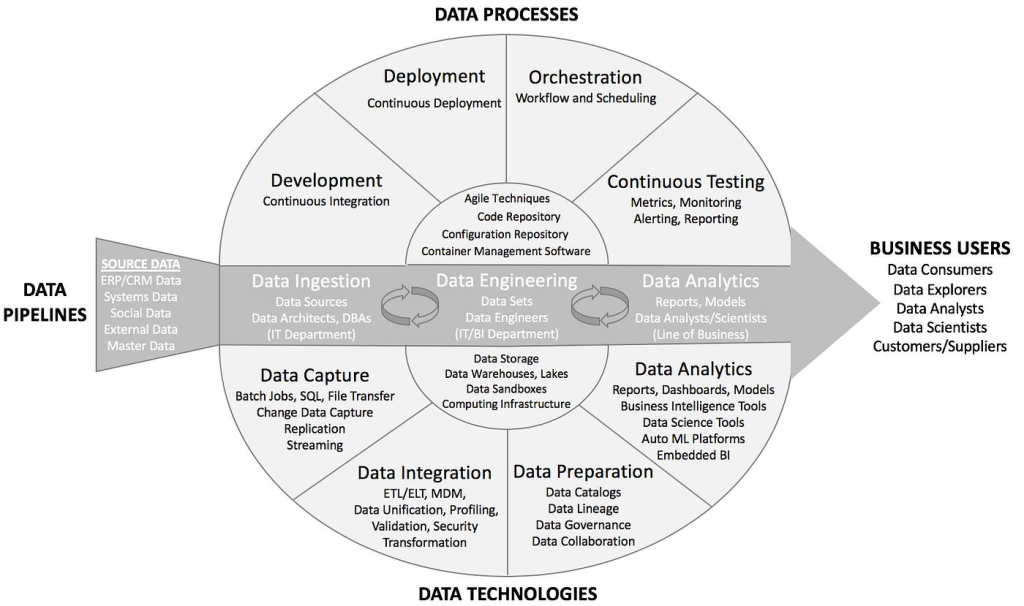
Faster Time to Insights
In today’s fast-paced business environment, time is of the essence. By using DataOps tools to automate many of the tasks involved in managing data, businesses can accelerate their time to insights, enabling them to make informed decisions more quickly.
Conclusion
In conclusion, DataOps tools are an essential component of any modern data management strategy. By automating many of the tedious and time-consuming tasks involved in managing data, these tools can help businesses operate more efficiently, improve data quality, and accelerate time to insights. So, if you’re not already using DataOps tools in your organization, now is the time to start exploring them.
