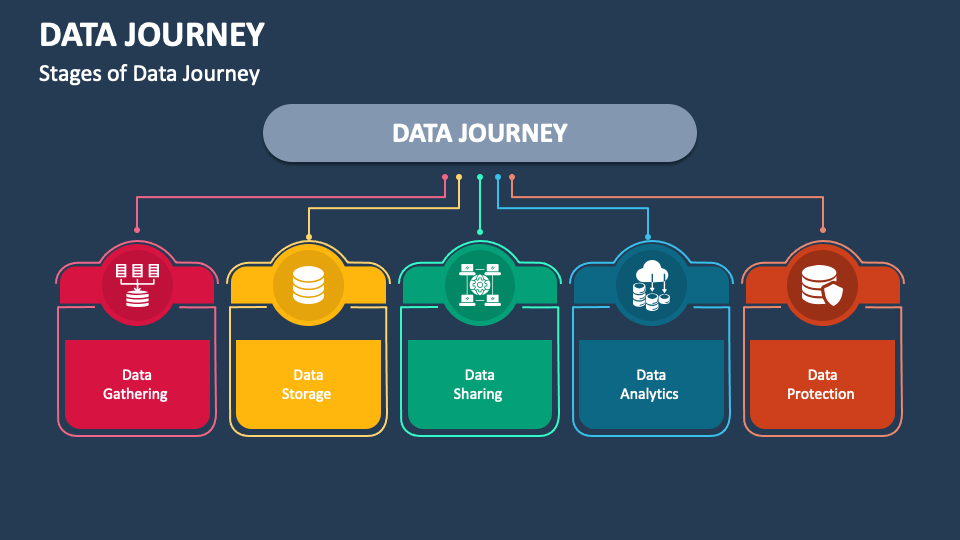
Have you ever heard of dataops? It’s a relatively new term that’s been gaining popularity in the tech world. Essentially, dataops is a set of practices and processes that aim to streamline and improve the way data is managed within an organization. It’s a logical evolution of the DevOps movement, which focuses on collaboration and automation between developers and IT operations teams.
But what does it take to become a dataops professional? In this article, we’ll explore the journey to dataops and what it entails.
Understanding the basics of dataops
Before we dive into the journey to dataops, let’s first take a step back and understand what dataops is all about.
At its core, dataops is about making data management more efficient and effective. This involves a range of activities, from data ingestion and processing to storage, analysis, and visualization. The goal is to ensure that data is high-quality, accurate, and accessible to those who need it.
To achieve this, dataops teams typically rely on a range of tools and technologies, including data integration platforms, data warehouses, and data visualization tools. They also need to have a deep understanding of data governance, security, and compliance.
Step 1: Build a foundation in data management
The journey to dataops typically starts with a foundation in data management. This involves learning the basics of data modeling, database design, and data warehousing. It also involves developing an understanding of data governance and data quality management.
For many dataops professionals, this involves pursuing a degree in computer science, information systems, or a related field. However, there are also many online courses and certifications available that can help you build a strong foundation in data management.
Step 2: Gain experience in data integration
Data integration is a key component of dataops, as it involves bringing together data from multiple sources and making it available for analysis and reporting.
To gain experience in data integration, you may want to consider pursuing a role as a data analyst or data engineer. These roles typically involve working with a range of data integration tools and technologies, such as ETL (extract, transform, load) tools and data integration platforms.
Step 3: Develop skills in data visualization and analysis
Once you have a strong foundation in data management and data integration, it’s important to develop skills in data visualization and analysis. This involves learning how to use tools like Tableau, Power BI, and other data visualization platforms to create compelling visualizations and dashboards.
It also involves developing an understanding of statistical analysis and machine learning, which can help you uncover insights and trends within your data.
Step 4: Embrace the DevOps mindset
As we mentioned earlier, dataops is an evolution of the DevOps movement. This means that to be successful in dataops, you need to embrace the DevOps mindset of collaboration, automation, and continuous improvement.
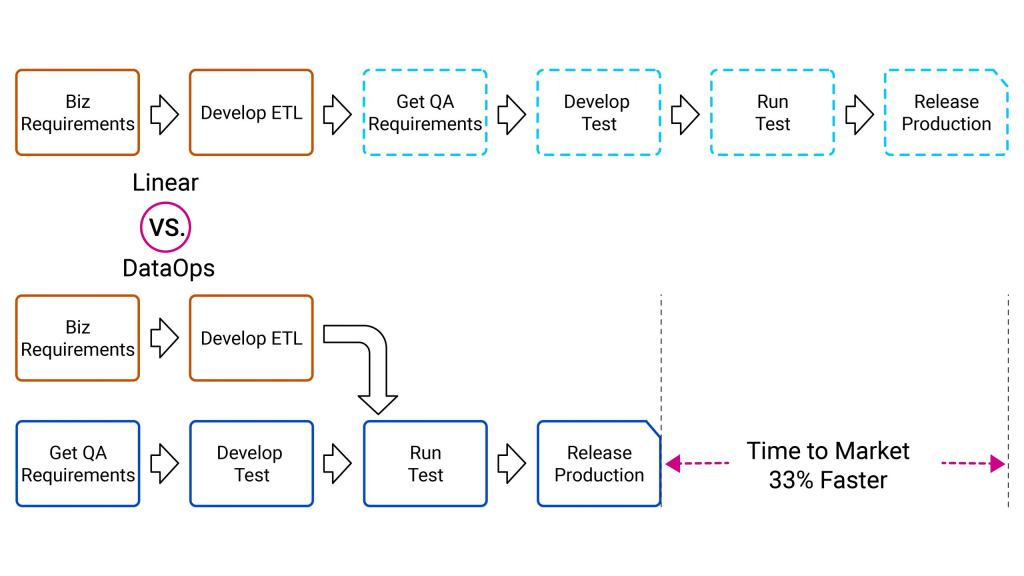
This involves working closely with developers, IT operations teams, and other stakeholders to ensure that data is integrated, managed, and analyzed in a way that meets the needs of the organization. It also involves leveraging automation tools and processes to streamline data management and reduce the risk of errors and inconsistencies.
Step 5: Keep learning and growing
Finally, the journey to dataops is an ongoing one. As technology and best practices evolve, it’s important to keep learning and growing in your skills and knowledge.
This may involve pursuing additional certifications or degrees, attending conferences and workshops, or simply staying up-to-date with the latest trends and developments in the field.
In conclusion, the journey to dataops is a challenging but rewarding one. By building a strong foundation in data management, gaining experience in data integration and analysis, embracing the DevOps mindset, and staying engaged in ongoing learning and growth, you can become a valuable asset to any organization looking to improve its data management capabilities.
