Have you ever wondered why so many organizations are investing in DataOps? Well, wonder no more. In this article, we’ll explore the reasons why DataOps is becoming a crucial aspect of modern businesses.
What is DataOps?
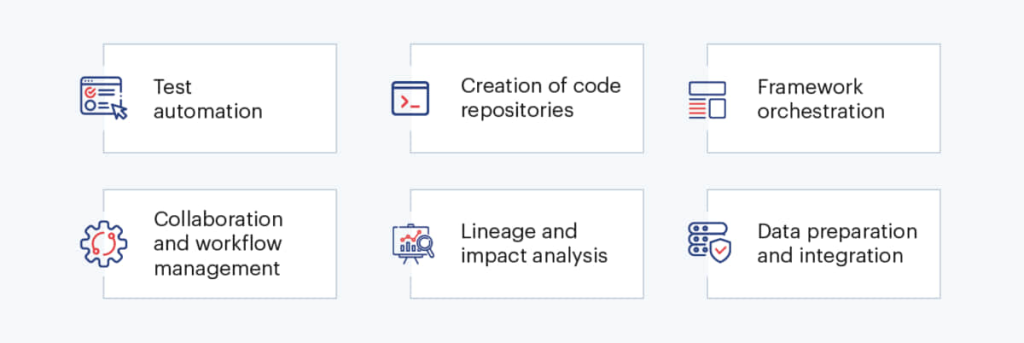
Before we dive into why organizations need DataOps, let’s first define what it is. DataOps is a methodology that combines the principles of DevOps with data engineering and data management. It aims to streamline the data pipeline from data ingestion to data delivery, making it faster, more efficient, and more reliable.
The Importance of Data
Data is the lifeblood of modern businesses. It’s what fuels decision-making, drives innovation, and enables companies to gain a competitive edge. With the advent of big data and the Internet of Things (IoT), the amount of data that organizations are generating is increasing exponentially. However, simply having access to large amounts of data is not enough. Companies need to be able to turn that data into actionable insights in order to reap the benefits.
The Challenges of Data Management
Managing data has always been a challenge for organizations. With the volume, variety, and velocity of data increasing, traditional methods of data management are no longer sufficient. Organizations need to be able to process and analyze data in real-time, and they need to be able to do it at scale. This is where DataOps comes in.
The Benefits of DataOps
DataOps has several benefits for organizations. Here are just a few:
Improved Efficiency
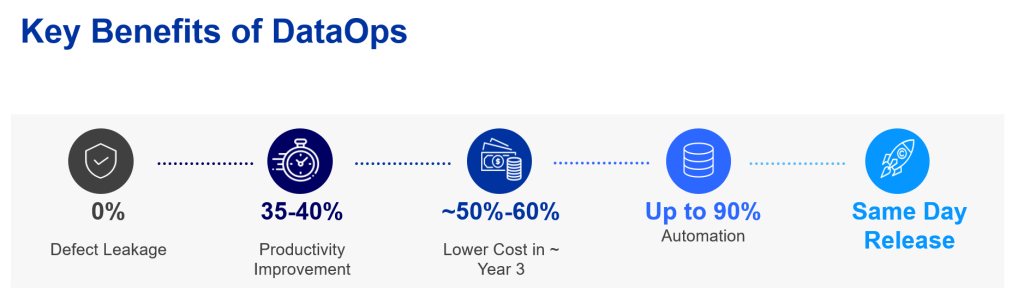
By streamlining the data pipeline, organizations can reduce the time it takes to process and analyze data. This means that insights can be generated faster, enabling companies to make decisions more quickly.
Increased Collaboration
DataOps encourages collaboration between different teams within an organization. By breaking down silos and promoting cross-functional teams, organizations can ensure that everyone is working towards the same goals.
Better Data Quality
By automating data validation and testing, DataOps can help improve the quality of data. This means that organizations can have greater confidence in the insights that they generate from that data.
Faster Time to Market
By reducing the time it takes to process and analyze data, organizations can bring products and services to market faster. This can give them a competitive edge in a crowded marketplace.
Conclusion
In conclusion, DataOps is becoming increasingly important for organizations that want to stay competitive in today’s data-driven world. By streamlining the data pipeline, promoting collaboration, and improving data quality, organizations can generate insights faster and bring products and services to market more quickly. So if you’re not already investing in DataOps, now is the time to start.
