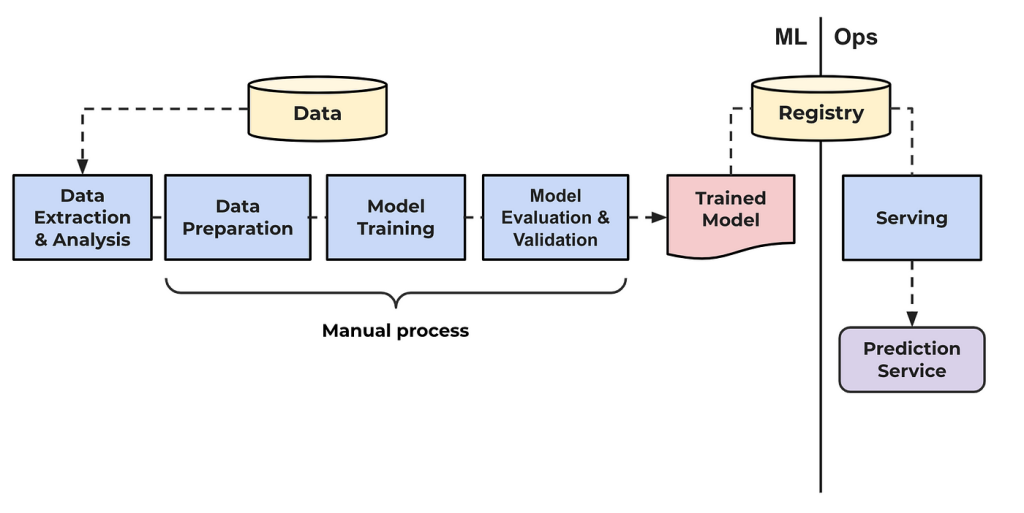
Machine Learning Operations, or MLOps, is a term that refers to the practice of managing, deploying, and automating machine learning models. MLOps is an essential part of the machine learning process, and it is becoming increasingly important as machine learning becomes more widespread. In this article, we will discuss why MLOps is important and how it can benefit your organization.
Introduction
Machine learning has revolutionized the way we approach problem-solving in a wide range of fields. From healthcare to finance, machine learning has helped organizations automate complex processes, make data-driven decisions, and improve performance. However, deploying machine learning models is not as easy as it seems. It involves managing large amounts of data, building and training models, and deploying them to production.
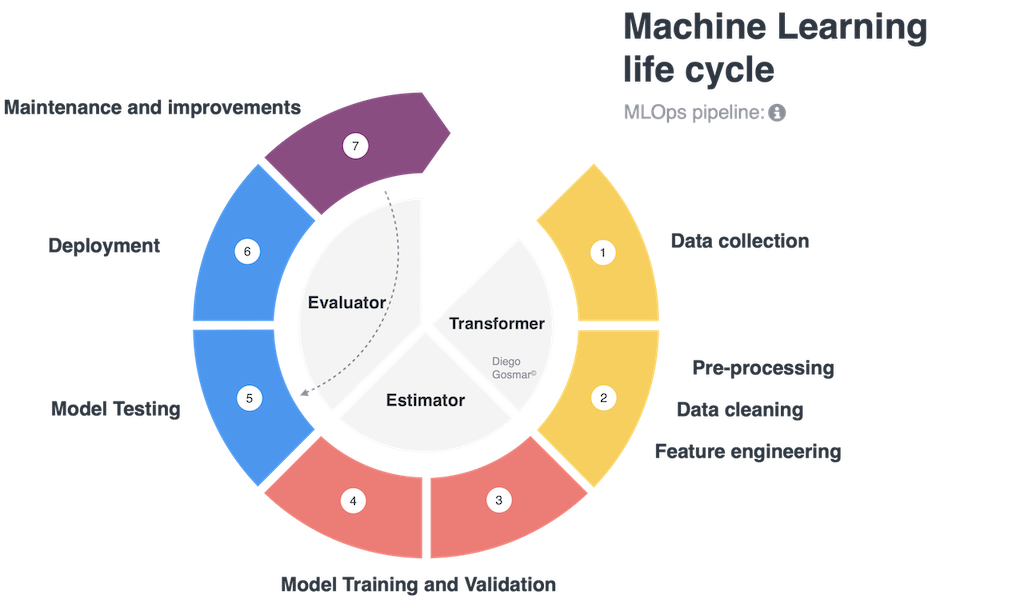
This is where MLOps comes in. MLOps is a set of practices and tools that help organizations streamline the machine learning process, from model development to deployment and monitoring. MLOps helps organizations build reliable and scalable machine learning systems that can be deployed to production quickly and efficiently.
Why is MLOps Important?
MLOps is important for several reasons:
1. Scalability
Machine learning models require massive amounts of data to be trained effectively. Training a machine learning model can be a time-consuming and resource-intensive process. MLOps helps organizations scale their machine learning workflows, making it possible to train models faster and more efficiently.
2. Consistency
MLOps helps ensure that machine learning models are developed and deployed consistently. This is important because consistency is critical to building reliable and trustworthy machine learning systems. By using MLOps, organizations can ensure that their machine learning models are built and deployed in a consistent manner, reducing the risk of errors and inconsistencies.
3. Collaboration
MLOps encourages collaboration between teams, making it possible for data scientists, engineers, and other stakeholders to work together in a coordinated manner. This is important because machine learning is a team sport, and collaboration is key to building successful machine learning systems.
4. Monitoring
MLOps helps organizations monitor the performance of their machine learning models in real-time. This is important because machine learning models are not static, and their performance can degrade over time. By monitoring their machine learning models, organizations can catch performance issues early and take corrective action.
5. Automation
MLOps helps organizations automate the machine learning process, reducing the need for manual intervention. Automation is important because it reduces the risk of errors and improves efficiency. By automating the machine learning process, organizations can deploy models to production faster and with greater confidence.
Conclusion
MLOps is an essential part of the machine learning process. It helps organizations build reliable and scalable machine learning systems that can be deployed to production quickly and efficiently. MLOps provides several benefits, including scalability, consistency, collaboration, monitoring, and automation. If you want to build successful machine learning systems, you need to embrace MLOps and make it an integral part of your workflow.
