Have you ever heard of MLOps? It stands for Machine Learning Operations, and it is a relatively new discipline that combines software engineering and machine learning to help organizations manage and deploy their machine learning models effectively.
MLOps is an essential tool in the world of data science, and it is used in various industries, including finance, healthcare, retail, and more. In this article, we will explore the different areas where MLOps is used and its importance in those fields.
Finance
The finance industry is one of the earliest adopters of MLOps. It is used to develop and deploy predictive models that aid in fraud detection, risk management, and more. With MLOps, financial institutions can manage their models’ entire life cycle, from development to deployment and monitoring. This results in a faster and more efficient process, reducing the time and resources required to deploy models.
Healthcare
MLOps is also used in the healthcare industry to improve patient outcomes. It is used to develop predictive models that aid in disease diagnosis, drug discovery, and treatment. MLOps ensures that these models are accurate and up-to-date, enabling healthcare providers to make informed decisions that improve patient care.
Retail
Retail companies also use MLOps to develop models that aid in demand forecasting, price optimization, and inventory management. With MLOps, retailers can quickly develop and deploy predictive models to aid in decision-making, resulting in better business outcomes.
Manufacturing
MLOps is also essential in the manufacturing industry, where it is used to develop predictive maintenance models. These models help manufacturers detect potential equipment failures before they occur, reducing downtime and costs associated with unplanned maintenance.
Importance of MLOps
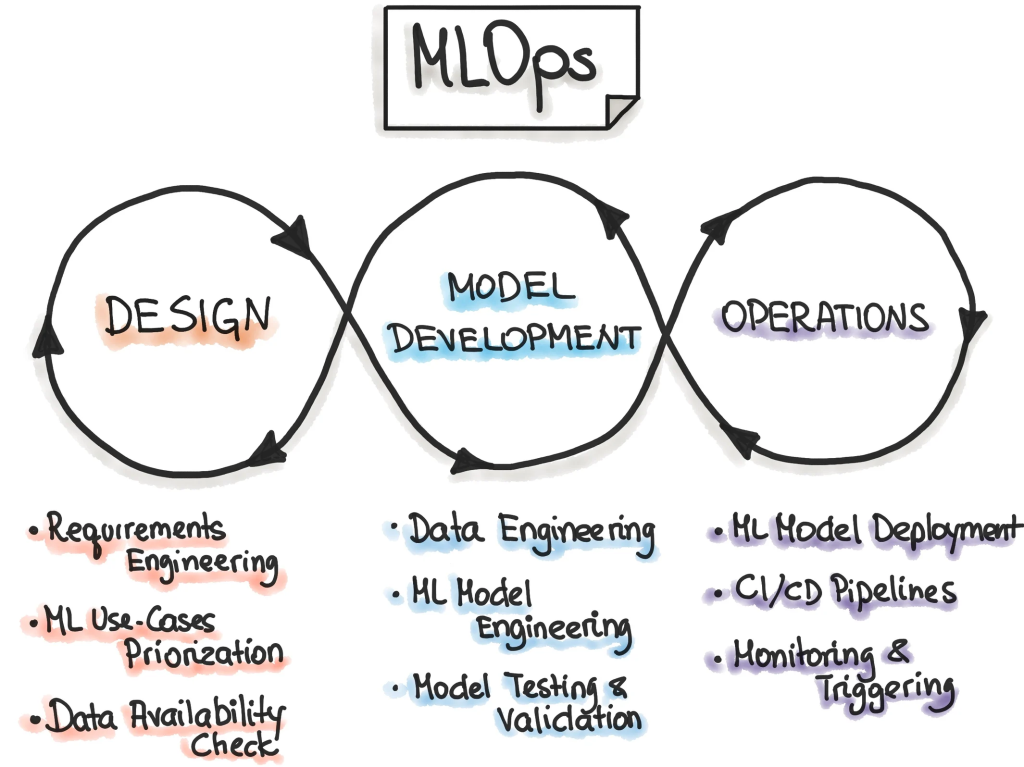
MLOps is essential in today’s world, where data is abundant and businesses rely on data-driven decision-making. It enables organizations to manage and deploy their models effectively, resulting in faster and more efficient processes. MLOps also ensures that models are accurate and up-to-date, enabling businesses to make informed decisions that improve outcomes.
In conclusion, MLOps is a crucial tool in today’s world, and it is used in various industries, including finance, healthcare, retail, and manufacturing. It enables organizations to manage and deploy their models effectively, resulting in faster and more efficient processes. MLOps is the future of machine learning, and businesses that adopt it will have a significant advantage in the market.
