DataOps, a methodology that integrates DevOps principles into data management, provides a robust framework for tackling multi-cloud challenges. In this blog, we’ll explore how DataOps can support data workflows across multiple cloud providers and share best practices for optimizing performance, security, and data integration in multi-cloud settings.
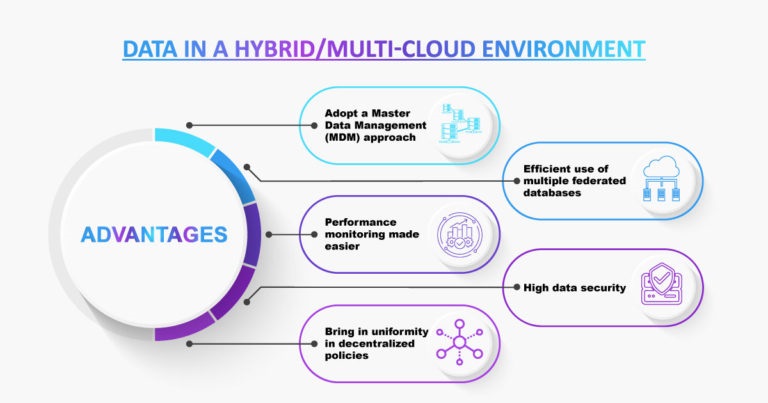
1. Key Challenges of Multi-Cloud Data Management
- Data Fragmentation: Data is often distributed across different cloud providers, leading to data silos and complicating integration.
- Latency and Performance Issues: Moving data between clouds can introduce latency, impacting the performance of applications and analytics.
- Compliance and Security Concerns: Ensuring consistent data governance and security policies across cloud providers can be challenging in multi-cloud environments.
2. Strategies for Implementing DataOps in Multi-Cloud Environments
- Unified Data Management Platform: Use a DataOps platform that centralizes data governance, policy enforcement, and data access across all cloud environments. This ensures consistent data standards and governance.
- Cloud-Agnostic Data Pipelines: Design pipelines that are independent of specific cloud providers. DataOps platforms support cloud-agnostic tools, allowing data flows to move seamlessly across cloud services.
- Containerization for Portability: Deploy data pipelines in containerized environments (e.g., using Docker or Kubernetes), enabling easy migration and consistent performance across clouds.
3. Best Practices for Data Security and Compliance in Multi-Cloud
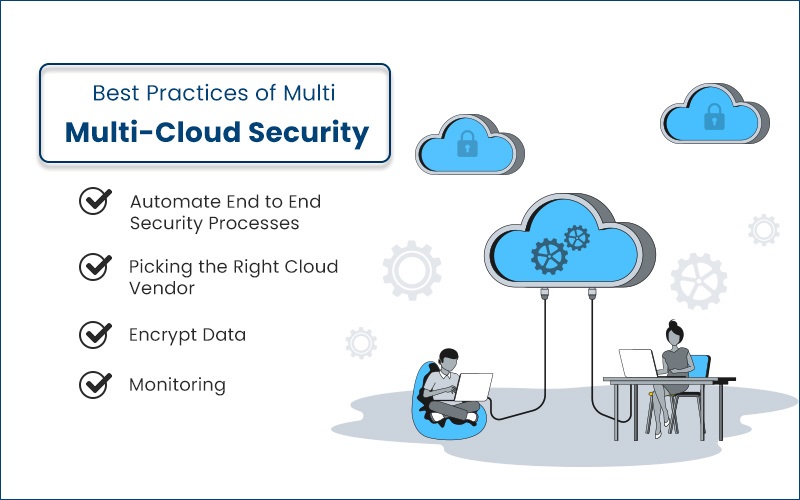
- Automated Compliance Monitoring: Automate compliance monitoring to ensure that data usage, storage, and transfers adhere to regulatory standards across cloud providers.
- End-to-End Data Encryption: Implement robust encryption policies to protect data both in transit and at rest, ensuring data security during inter-cloud transfers.
- Role-Based Access Control (RBAC): Apply RBAC and other access control mechanisms to restrict data access to authorized users across all cloud environments.
4. Enhancing Data Integration and Interoperability
- APIs for Seamless Integration: Use APIs to create seamless data integration across different clouds, reducing latency and simplifying data sharing.
- Unified Data Governance: Centralize governance policies to ensure consistency in data quality, lineage, and auditing across all cloud platforms.
- Automated Data Synchronization: Automate synchronization processes to keep data updated across all clouds, avoiding outdated information and ensuring data accuracy.
5. Optimizing Performance and Scalability in Multi-Cloud
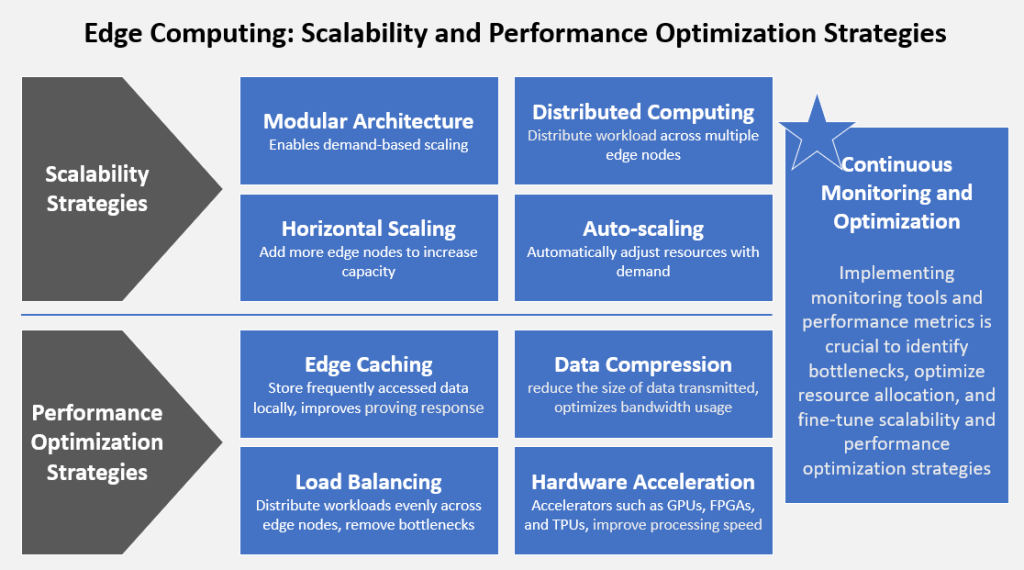
- Load Balancing for Distributed Workloads: Use load balancing to distribute data processing workloads evenly across clouds, optimizing performance and preventing bottlenecks.
- Resource Autoscaling: Implement autoscaling within each cloud environment to manage spikes in data traffic, ensuring pipelines scale effectively to handle increased data loads.
- Latency Minimization Tactics: Reduce latency by storing frequently accessed data closer to the applications that use it, and by optimizing inter-cloud data transfer routes.
6. Leveraging DataOps Automation for Multi-Cloud Efficiency
- Automated Data Orchestration: Use DataOps tools to automate the orchestration of data pipelines across cloud providers, reducing manual effort and minimizing errors.
- Continuous Integration and Continuous Deployment (CI/CD): Adopt CI/CD pipelines for data workflows, enabling teams to make incremental changes and updates without downtime.
- Real-Time Monitoring and Alerting: Implement monitoring and alerting to track pipeline health and performance across clouds, enabling quick responses to potential issues.
