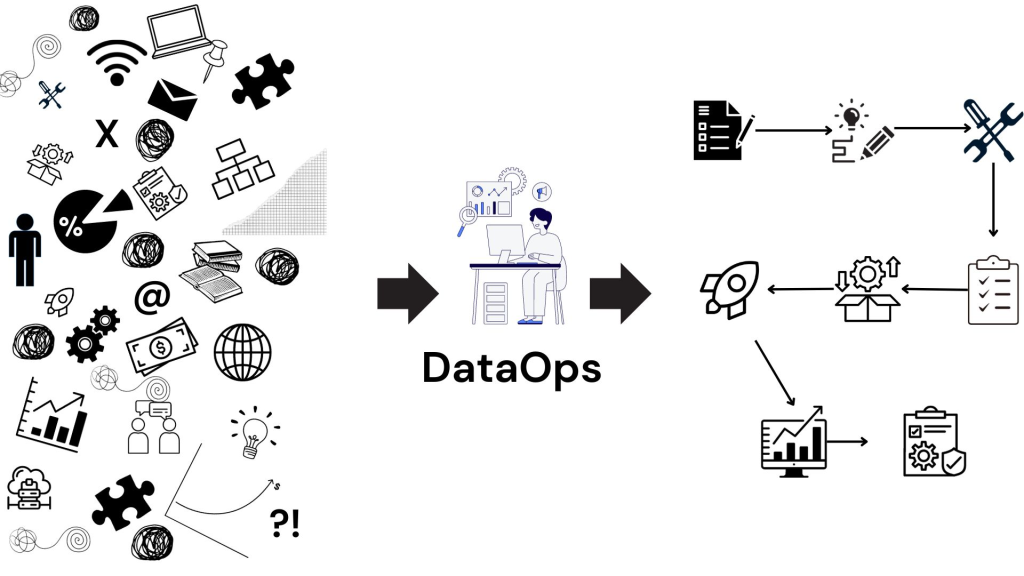
DataOps, a set of practices that streamline and automate the process of moving data from source to consumption, is becoming increasingly essential for organizations across industries. By improving data quality, reliability, and time-to-market, DataOps empowers businesses to make data-driven decisions more effectively.
Real-World Use Cases of DataOps
1. Finance: Real-Time Risk Management and Fraud Detection
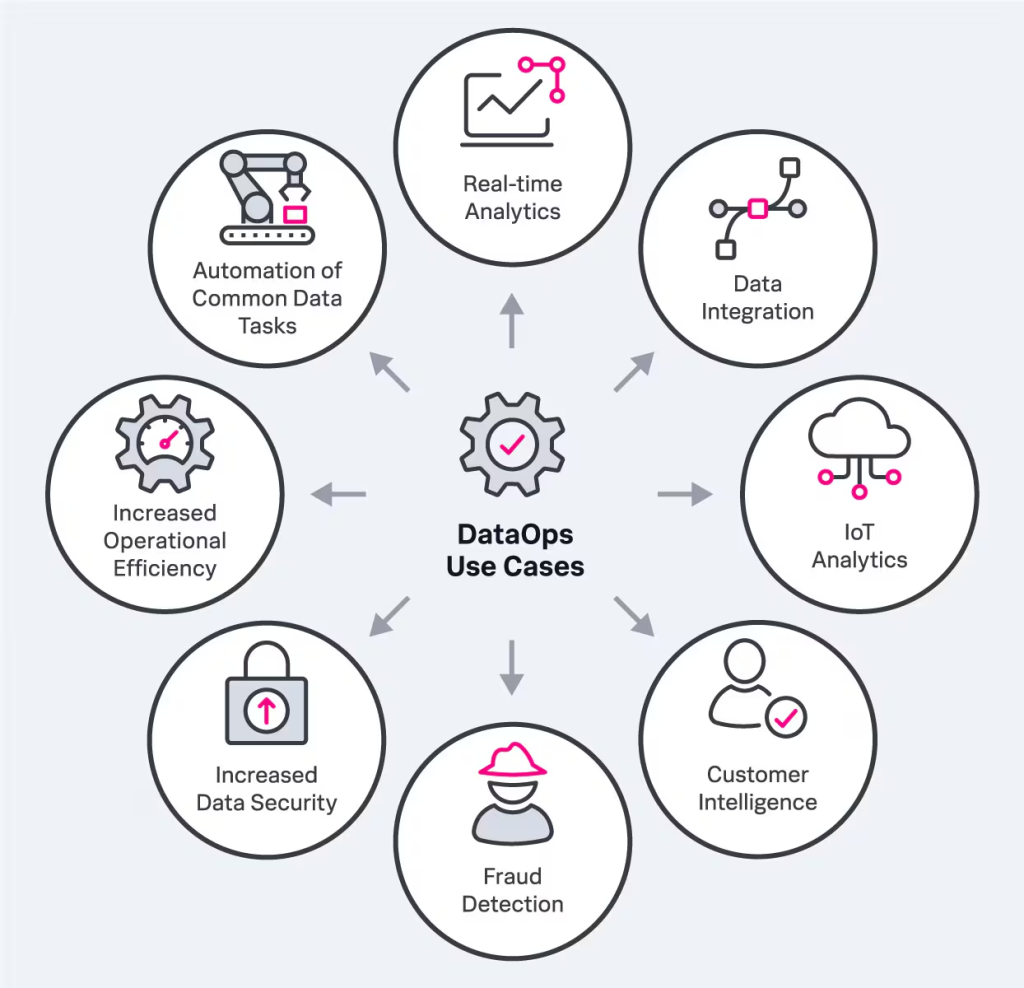
In the financial sector, real-time decision-making is paramount. Banks and financial institutions need accurate and timely data for risk management, fraud detection, and compliance. DataOps enables:
- Real-Time Risk Assessments: DataOps platforms provide continuous monitoring of transactions, helping financial institutions assess risks in real-time.
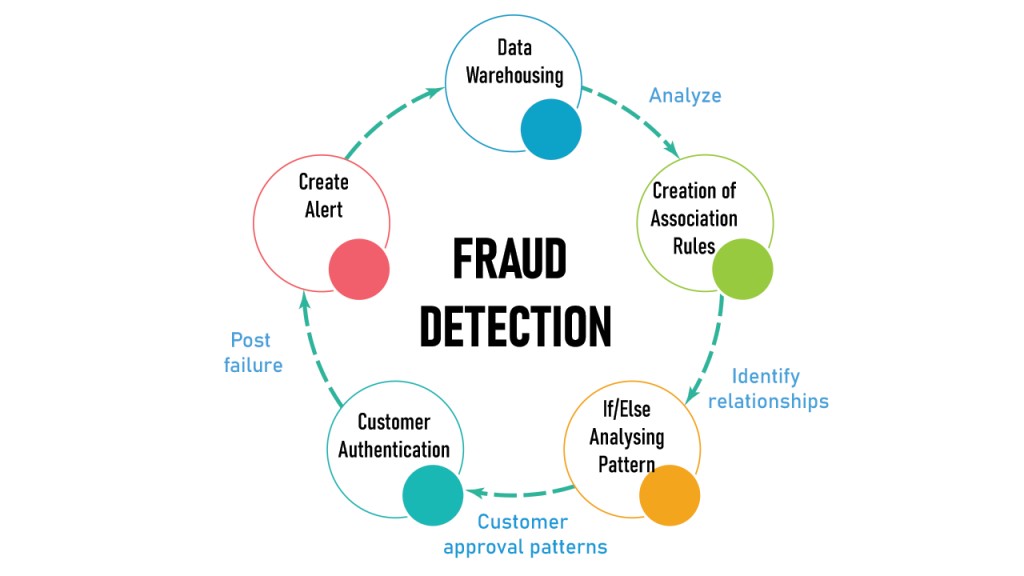
- Fraud Detection: By streamlining data pipelines and ensuring that data is high-quality and up-to-date, DataOps accelerates the detection of fraudulent transactions, allowing for swift responses.
- Regulatory Compliance: Banks face stringent regulations. DataOps helps maintain audit trails, automates reporting, and ensures compliance with minimal human intervention.
2. Retail: Enhancing Customer Experience and Demand Forecasting
- Personalized Recommendations: DataOps enables retailers to analyze customer purchase history, preferences, and demographics to provide highly personalized product recommendations.
- Inventory Management: By automating data pipelines, retailers can ensure accurate and up-to-date inventory information, reducing stockouts and overstocking.
- Fraud Detection: DataOps can help detect fraudulent activities, such as credit card fraud and account hijacking, by analyzing patterns in customer behavior and transaction data.
3. Healthcare: Streamlining Patient Data and Personalized Treatment
The healthcare industry deals with a massive influx of data, from patient records to research data. DataOps helps medical institutions manage this data efficiently to:
- Personalize Patient Care: DataOps automates the collection and analysis of patient data from multiple sources (wearables, EMRs, etc.), enabling personalized treatment plans based on real-time insights.
- Accelerate Research: Healthcare researchers rely on high-quality data to develop treatments and vaccines. DataOps ensures that data is cleansed, validated, and made available in real-time for research.
- Optimize Hospital Operations: Hospitals use DataOps to optimize operational efficiency, reducing patient wait times and improving resource allocation based on data-driven insights.
4. Manufacturing: Enabling Predictive Maintenance and Supply Chain Optimization
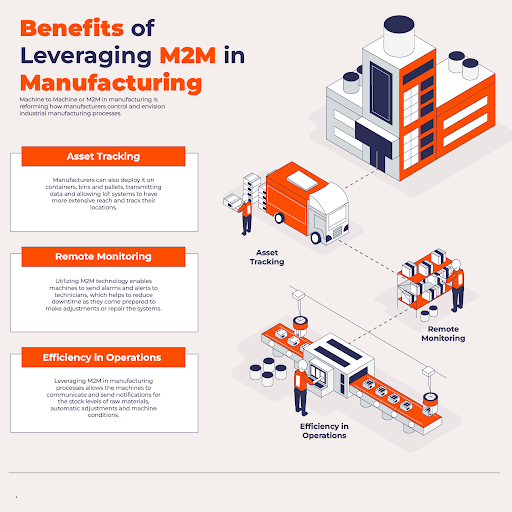
- Predictive Maintenance: DataOps can help manufacturers predict equipment failures by analyzing sensor data and historical maintenance records.
- Quality Control: By automating data pipelines and applying machine learning, manufacturers can ensure product quality by identifying defects and anomalies.
- Supply Chain Optimization: DataOps can help optimize supply chains by analyzing demand patterns, inventory levels, and transportation data.
5. Telecommunications: Optimizing Network Performance and Customer Service
Telecom companies handle vast amounts of data from network traffic and customer interactions. DataOps ensures that this data is efficiently managed to:
- Enhance Network Performance: Telecom operators use DataOps to monitor network traffic in real-time, identifying bottlenecks and optimizing network performance.
- Improve Customer Service: By integrating customer data across channels, telecom companies use DataOps to deliver personalized customer experiences and reduce churn rates.
- Billing and Fraud Detection: Similar to the finance sector, telecom companies benefit from DataOps in fraud detection and ensuring accurate, real-time billing for services used by customers.
