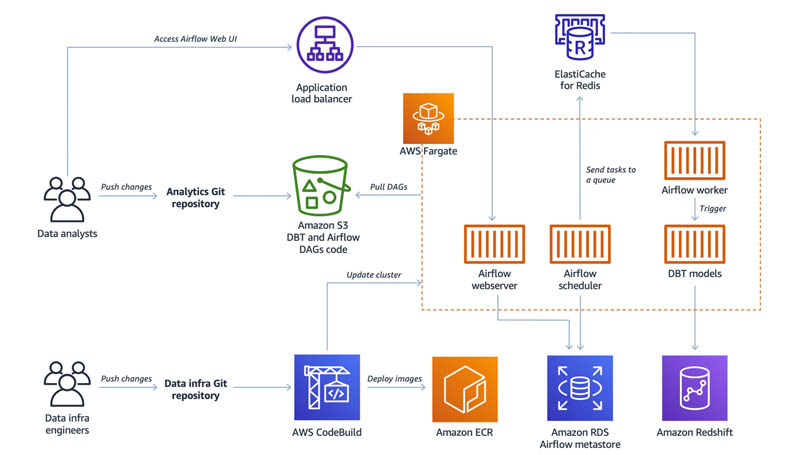
Have you heard of DataOps before? It is a term that is becoming more and more popular in the tech industry. DataOps refers to the methodology of combining data engineering, data integration, and data quality in order to streamline the process of data analytics. In other words, DataOps is about making data work for you, not the other way around.
But what does this look like in practice? Let’s explore some real-world DataOps examples.
H1: DataOps in E-Commerce
E-commerce companies have a lot of data to process. From sales data to customer behavior, there is a wealth of information that can be used to optimize the shopping experience. However, this data is often siloed and difficult to access.
With DataOps, e-commerce companies can create a centralized data platform that allows for easy data integration and analysis. This means that data can be quickly transformed into actionable insights that can be used to improve sales, marketing, and customer engagement.
H2: DataOps in Healthcare
Healthcare is another industry that is ripe for DataOps. Electronic health records (EHRs) are becoming more common, but the data within them is often unstructured and difficult to analyze.
By implementing DataOps, healthcare providers can create a more streamlined data management process. This includes data integration from multiple sources, data cleansing to ensure accuracy, and data analytics to improve patient outcomes.
H3: DataOps in Finance
Data is the lifeblood of the finance industry. From stock prices to economic indicators, there is a constant stream of data that needs to be analyzed in order to make informed decisions.
DataOps can help financial institutions optimize their data management process. This can include automating data integration, improving data quality, and creating real-time analytics dashboards for quick decision-making.
H4: DataOps in Marketing
Marketing is all about understanding customer behavior and preferences. With the rise of big data, there is more information available than ever before. However, this data is often fragmented and difficult to analyze.
DataOps can help marketers create a more holistic view of their customers. By integrating data from multiple sources, marketers can gain a better understanding of customer behavior and preferences. This can lead to more targeted marketing campaigns and higher conversion rates.
In conclusion, DataOps is a powerful methodology that can help organizations make the most of their data. From e-commerce to healthcare, finance to marketing, there are countless applications for DataOps. By creating a streamlined data management process, organizations can improve efficiency, accuracy, and ultimately, their bottom line.
