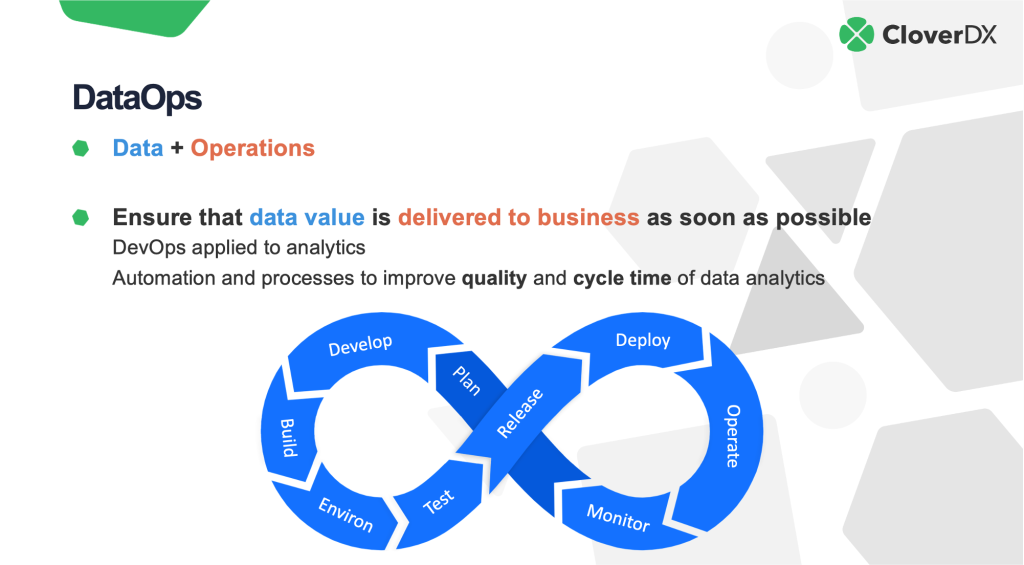
Have you ever heard of the term “dataops”? If not, you’re not alone. It may sound like a made-up word or a new dance craze, but it’s actually a term that’s becoming increasingly important in the world of technology and data management.
So, what exactly is dataops? In simple terms, it refers to the practice of bringing together the best practices of DevOps and applying them to data management.
DevOps vs. DataOps
Before we dive deeper into what dataops is, let’s first understand what DevOps means. DevOps is a combination of “development” and “operations,” and it’s a collaborative approach to software development that emphasizes communication and collaboration between development and operations teams.
Dataops takes the principles of DevOps and applies them specifically to data management. This means that dataops focuses on automating and streamlining data pipelines, improving data quality and governance, and ensuring that data is delivered quickly and efficiently to those who need it.
Why is Dataops Important?
Now that we know what dataops is, let’s explore why it’s important. In today’s data-driven world, organizations are collecting more data than ever before. However, collecting data is only the first step. In order to derive value from that data, it needs to be processed, analyzed, and turned into insights that can inform business decisions.
This is where dataops comes in. By applying the principles of DevOps to data management, organizations can ensure that their data pipelines are efficient, reliable, and scalable. This means that data can be processed and analyzed quickly, allowing organizations to make faster and more informed decisions.
In addition, dataops can help improve data quality and governance. By automating data pipelines and implementing consistent processes, organizations can reduce the risk of errors and ensure that data is accurate and reliable.
How Does Dataops Work?
So, how exactly does dataops work? At its core, dataops is about collaboration and automation. It involves bringing together development, operations, and data teams to work together to manage data pipelines.
One key aspect of dataops is automation. By automating data pipelines, organizations can reduce the risk of errors and streamline the process of moving data from one place to another. This can help improve efficiency and reduce the time it takes to deliver data to those who need it.
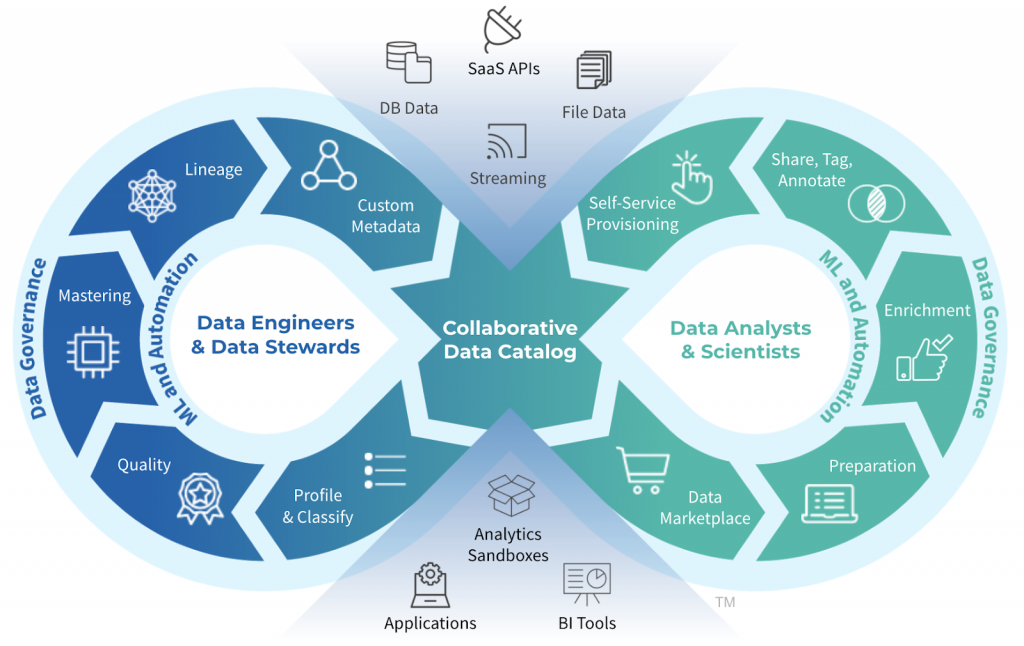
Another important aspect of dataops is collaboration. By bringing together development, operations, and data teams, organizations can ensure that everyone is working toward the same goal. This can help improve communication and reduce the risk of silos, ensuring that everyone has the information they need to make informed decisions.
The Future of Dataops
As organizations continue to collect more data and rely on it to inform business decisions, the importance of dataops will only continue to grow. In fact, some experts predict that dataops will become as important as DevOps in the coming years.
So, if you’re not already familiar with dataops, now is the time to start paying attention. By understanding what dataops is and how it works, you can help ensure that your organization is well-equipped to manage the ever-increasing amounts of data that are being generated every day.
