Have you ever wondered what the difference is between Dataops and SIEM? If you’re in the tech industry, you’ve probably heard these terms being thrown around a lot lately. In this article, we’ll explore the key differences between Dataops and SIEM and how they relate to each other.
The Basics: What Are Dataops and SIEM?
To start off, let’s define these two terms.
Dataops (short for “data operations”) is a relatively new concept that focuses on the automation and integration of data management processes. It aims to streamline the entire data lifecycle, from collection to analysis, by using modern technologies such as machine learning and artificial intelligence.
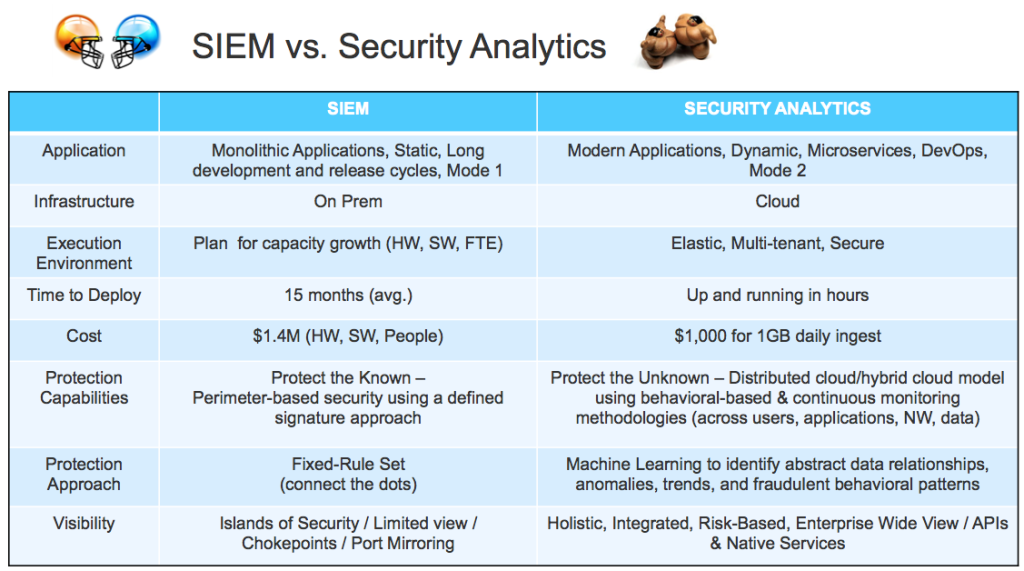
On the other hand, SIEM (Security Information and Event Management) is a more established term that refers to a set of security tools and techniques used to detect and respond to cybersecurity threats. It involves collecting data from various sources, such as network logs and security devices, and analyzing it to identify potential security incidents.
Key Differences between Dataops and SIEM
Now that we have a basic understanding of what these terms mean, let’s explore some of the key differences between them.
Purpose and Goals
One of the main differences between Dataops and SIEM is their purpose and goals. Dataops is mainly concerned with optimizing and automating data management processes to improve efficiency and accuracy. Its primary goal is to make data more accessible and usable for businesses.
On the other hand, SIEM is primarily focused on security. Its main goal is to detect and respond to security incidents before they become major threats. It involves collecting and analyzing security-related data to identify potential security risks and respond to them in a timely manner.
Data Sources
Another major difference between Dataops and SIEM is the types of data sources they use. Dataops focuses on collecting and analyzing data from a wide range of sources, including customer data, sales data, and operational data. It aims to provide businesses with a complete view of their data, enabling them to make better decisions.
In contrast, SIEM mainly focuses on collecting and analyzing security-related data from sources such as firewalls, intrusion detection systems, and antivirus software. It aims to detect and respond to security threats before they can cause any significant damage.
Skillsets Required
Dataops and SIEM also require different skillsets. Dataops relies heavily on data science and analytics skills, as well as expertise in modern data management technologies such as cloud computing and machine learning.
In contrast, SIEM requires a strong understanding of cybersecurity threats and risk management, as well as expertise in security tools and techniques such as intrusion detection and incident response.
How Do Dataops and SIEM Relate to Each Other?
While Dataops and SIEM have different goals and focus on different types of data, they are not necessarily mutually exclusive. In fact, they can complement each other quite well.
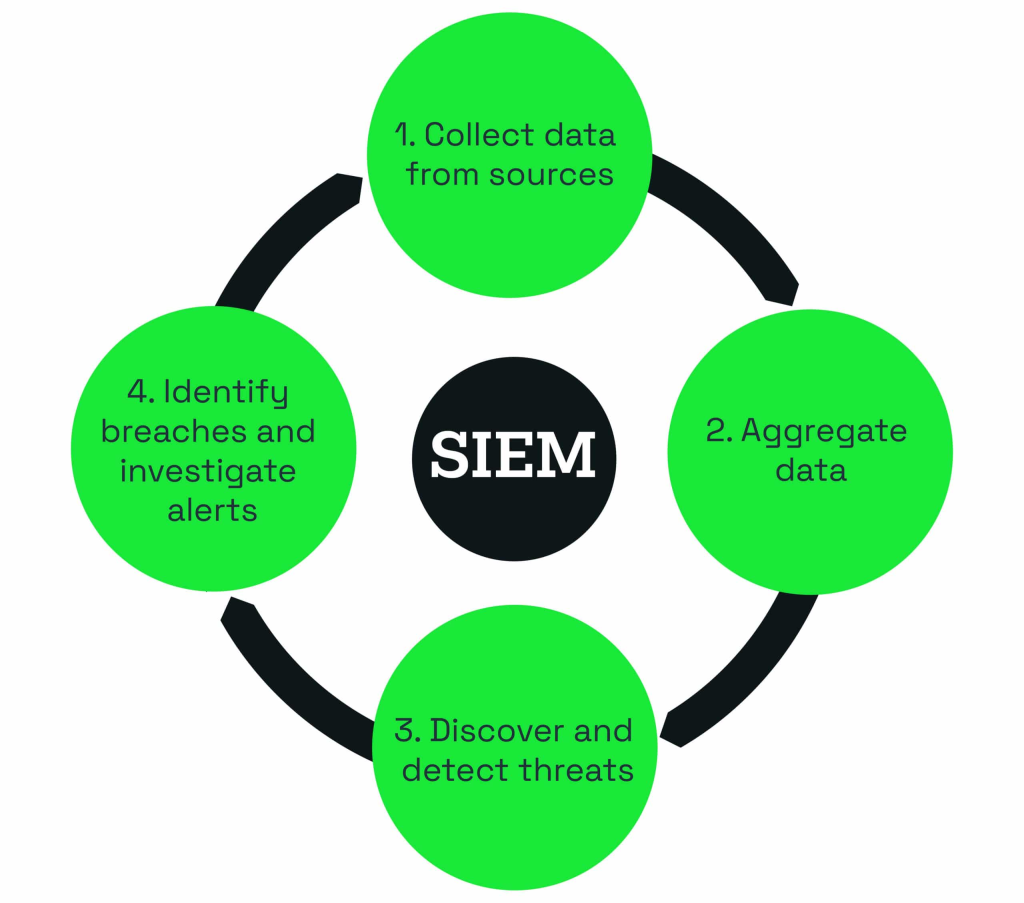
Dataops can help improve the accuracy and completeness of data collected by SIEM systems, providing better insights into potential security incidents. Similarly, SIEM can help identify potential security threats in the data collected by Dataops, improving overall data security.
Conclusion
In conclusion, Dataops and SIEM are two distinct but related concepts that are becoming increasingly important in today’s business world. While they have different goals and focus on different types of data, they can complement each other quite well. Understanding the differences between Dataops and SIEM is essential for businesses looking to optimize their data management and improve their cybersecurity posture.

Your explanations are very qualitative ! Thank you !
Thanks for the great blog post
I appreciate this informative comparison between DataOps and SIEM. It effectively highlights that DataOps is centered around data management and operations, while SIEM is specifically designed for cybersecurity and identifying security incidents. Understanding these differences is crucial for organizations seeking to enhance both their data operations and security measures.
Reach me at – Contact@DevOpsSchool.com
By understanding the differences between these two concepts, you can make informed decisions that will help your business thrive.
DataOps manages data operations, SIEM handles security event monitoring.
DataOps and SIEM are two complementary approaches to managing data and security. DataOps can help to improve the quality and reliability of data, which can then be used by SIEM to identify and respond to security incidents.
Your expertise in explaining the differences between DataOps and SIEM is evident, and your ability to present complex topics with such simplicity is commendable. Thank you for sharing!
Thank you for this enlightening blog on the differences between DataOps and SIEM. It clarified the distinctions in a concise and understandable manner. Highly appreciative of the valuable insights shared!
Fantastic tutorials! Loved the interactive exercises for hands-on learning.